How Much Caffeine Is Safe Per Day?
Gepubliceerd op 22-5-2026 · 3 min leestijd · Gezondheidscalculators

Sofia Nunes — Redacteur gezondheid en welzijn bij OneKitly
Voeding · Vochtinname
Getoetst aan 2 bronnen
For most healthy adults, up to about 400 mg of caffeine per day is generally considered safe — roughly four cups of brewed coffee. Pregnant people are usually advised to stay under about 200 mg per day. Individual sensitivity varies a lot, so the same amount can leave one person fine and another jittery or sleepless.
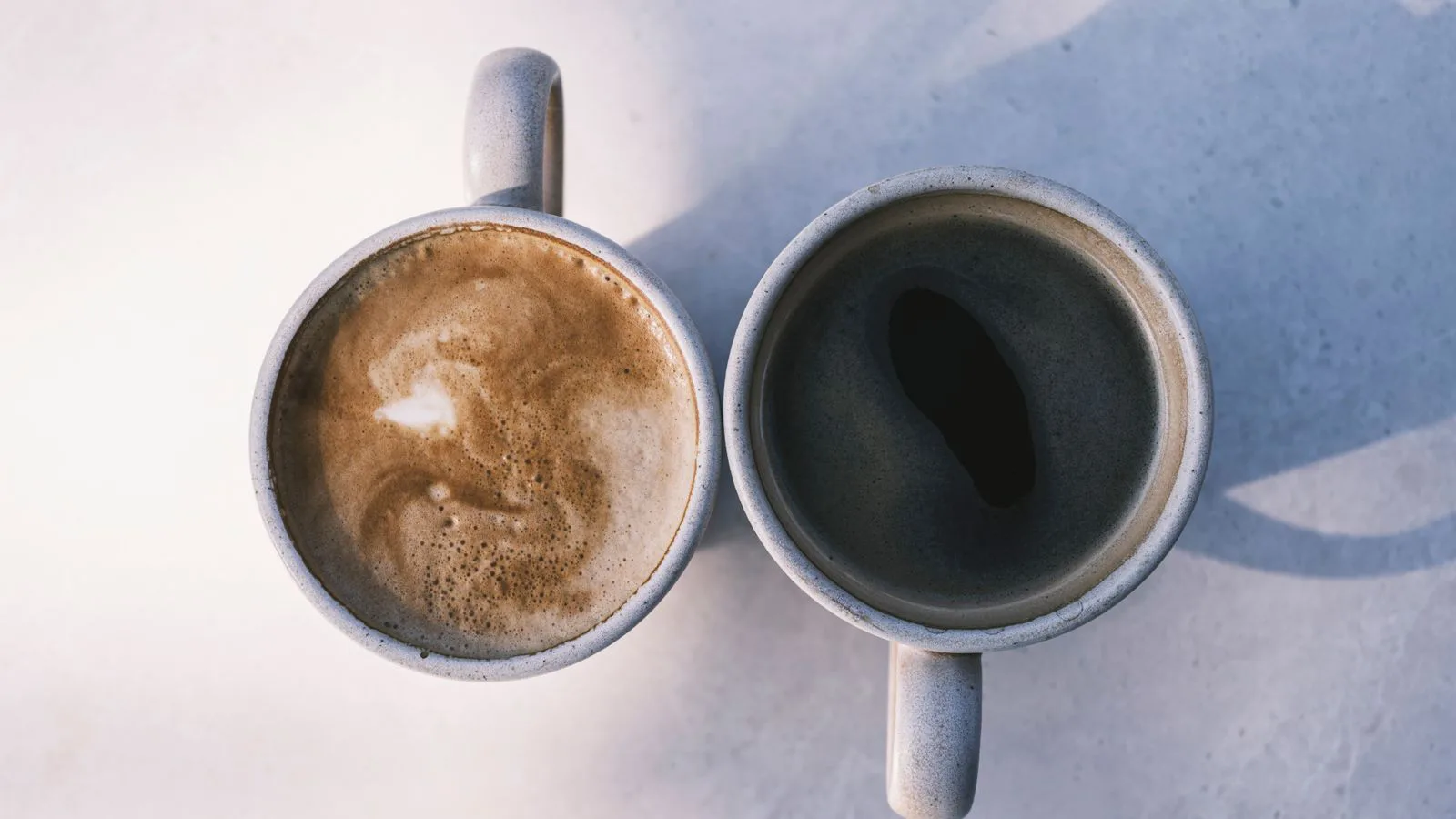
The 400 mg daily guideline for adults, how much caffeine is in coffee, tea, cola and energy drinks, and why sensitivity varies from person to person.
The 400 mg guideline
Health authorities including the FDA point to about 400 mg of caffeine a day as an amount not generally associated with negative effects for healthy adults. That is roughly four 240 ml cups of brewed coffee. It is a general guide, not a target to aim for, and it does not apply to everyone.
The figure covers caffeine from all sources combined — coffee, tea, cola, energy drinks, chocolate and some medications and supplements. Because it is a total, tracking everything across the day gives a truer picture than counting coffees alone, which is what a caffeine calculator is designed to do.
Caffeine per drink
Amounts vary widely, but useful rough figures are: a 240 ml cup of brewed coffee around 95 mg, a shot of espresso around 65 mg, a cup of black tea around 45 mg, a can of cola around 35 mg, and a typical energy drink anywhere from about 80 to 150 mg. Serving size and brewing strength change these numbers a lot.
Specialty coffees and large sizes can carry far more than a standard cup, and some energy products are very concentrated. Reading labels where they exist, and being wary of caffeine powders and high-dose pills, keeps your running total realistic.
Sensitivity and timing
How caffeine affects you depends on body size, genetics, medications, pregnancy and how used to it you are. Common signs of too much include a racing heart, anxiety, an upset stomach, headaches and trouble sleeping. If you notice these, cutting back is sensible even if you are under 400 mg.
Timing matters too: caffeine can linger for many hours, so drinks in the afternoon or evening can disturb sleep. A common suggestion is to avoid caffeine in the six or so hours before bed, and to keep an eye on how a stimulating morning translates into a restless night.
Uitgewerkt met onze eigen calculator
Calculator cafeïne-inname
Gegeven
- Lichaamsgewicht (kg)
- 63
Resultaat
- Maximaal cafeïne per dag
- 378 mg
- Kopjes koffie
- 3,979
Deze cijfers komen uit de calculator hieronder, ze zijn niet met de hand ingetypt — ze worden opnieuw berekend telkens als de tool verandert.
Reken het door met je eigen cijfers →Veelgestelde vragen
- How much caffeine is safe during pregnancy?
- Guidance commonly advises pregnant people to keep caffeine under about 200 mg a day, roughly two small cups of coffee. Because advice can vary, anyone pregnant should confirm their own limit with a healthcare provider.
- Is decaf coffee caffeine-free?
- Not entirely. Decaf usually contains a small amount, often only a few milligrams per cup, but it is not zero. For most people that is negligible, though it can matter if you are extremely sensitive.
- Can you build a tolerance to caffeine?
- Yes. Regular use tends to reduce some effects over time, and stopping suddenly can bring on headaches, tiredness and irritability for a few days. Cutting back gradually eases these withdrawal symptoms.
- Should children have caffeine?
- Children and teenagers are more sensitive to caffeine and should have much less than adults, if any. Many experts advise limiting or avoiding energy drinks in particular for young people; a pediatric professional can give specific guidance.
Artikelen die je misschien interesseren
Alle gidsen →Vergelijkbare tools
For general information only — not medical advice; consult a professional.
Bronnen
Een fout in dit artikel gezien?