What Is a Healthy BMI?
Gepubliceerd op 13-11-2025 · 2 min leestijd · Gezondheidscalculators

Sofia Nunes — Redacteur gezondheid en welzijn bij OneKitly
Voeding · Vochtinname
Getoetst aan 2 bronnen
Body Mass Index (BMI) is your weight in kilograms divided by your height in metres squared. For most adults, 18.5–24.9 is the 'healthy' range, under 18.5 is underweight, 25–29.9 is overweight and 30+ is obese. A 70 kg person at 1.75 m has a BMI of 22.9. BMI is a quick screen, not a diagnosis — it ignores muscle, age and body composition.
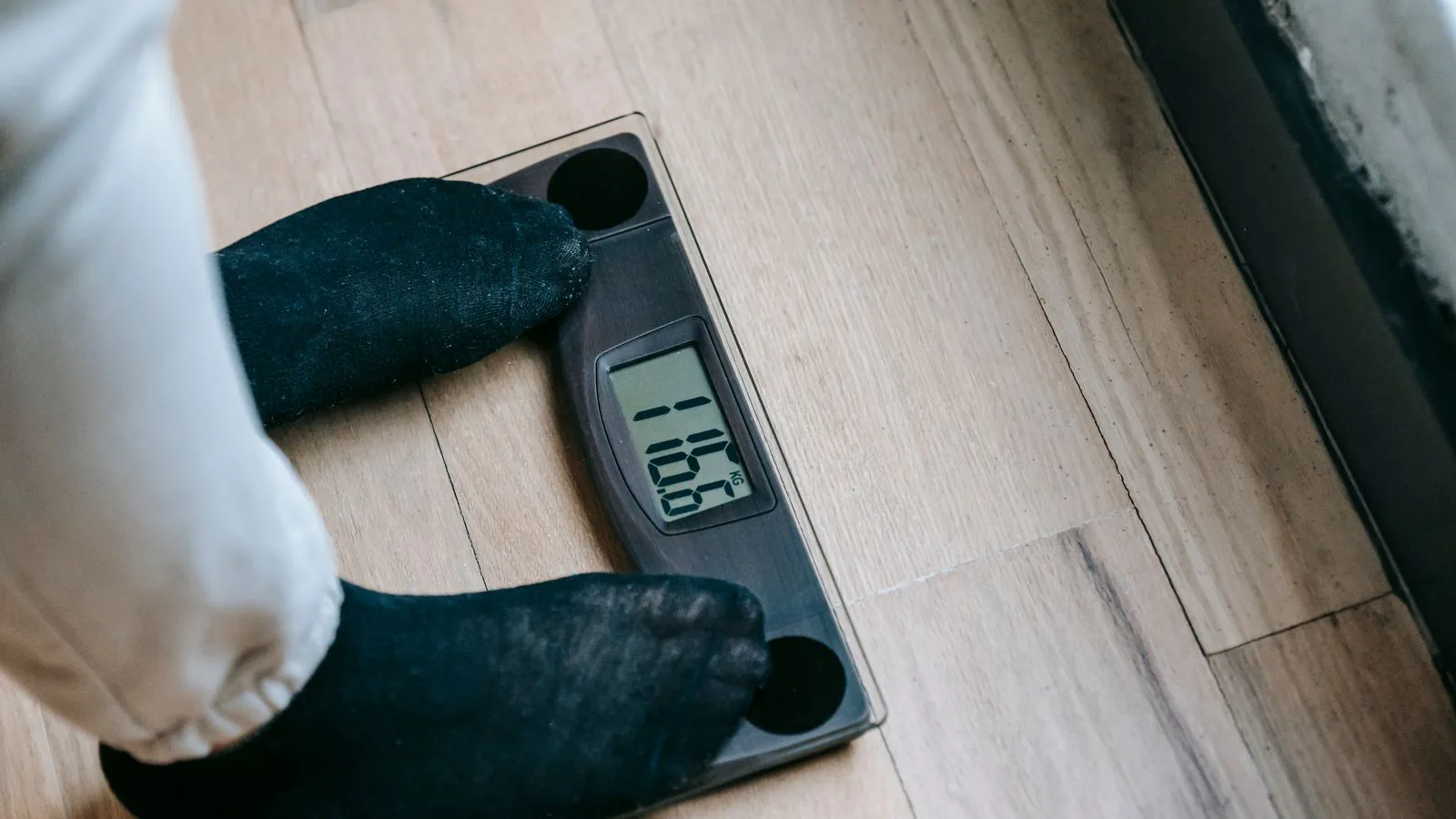
BMI groups weight into ranges relative to height. Here's what counts as healthy, how to calculate it, and the limits of the number.
How BMI is calculated
Divide your weight in kilograms by your height in metres, squared. Someone who is 70 kg and 1.75 m tall computes 70 ÷ (1.75 × 1.75) = 70 ÷ 3.0625 = 22.9. If you use pounds and inches, multiply the result by 703 instead. The number itself is unitless — it only means something against the standard ranges.
The BMI ranges
The World Health Organization groups adult BMI into four bands: underweight below 18.5, healthy 18.5 to 24.9, overweight 25 to 29.9, and obese at 30 and above. These bands are the same for men and women, and they describe population risk rather than any single person's health.
What BMI misses
BMI only knows your weight and height, so it cannot tell muscle from fat. A muscular athlete can read as 'overweight' with very low body fat, while someone in the healthy range may carry excess fat and little muscle. It also says nothing about where fat sits — belly fat carries more risk — or about age and ethnicity, which shift the picture.
Use it alongside other measures
Treat BMI as one signal among several. Waist circumference, waist-to-height ratio and body fat percentage add the fat-distribution picture it lacks, and how you feel and move matters too. For anything beyond a rough check, a doctor or dietitian can read these together and tell you what, if anything, to act on.
| BMI | Category |
|---|---|
| Below 18.5 | Underweight |
| 18.5–24.9 | Healthy weight |
| 25.0–29.9 | Overweight |
| 30.0 and above | Obese |
Uitgewerkt met onze eigen calculator
BMI-calculator
Gegeven
- Gewicht (kg)
- 63
- Lengte (cm)
- 158
Resultaat
- BMI
- 25,236
Deze cijfers komen uit de calculator hieronder, ze zijn niet met de hand ingetypt — ze worden opnieuw berekend telkens als de tool verandert.
Reken het door met je eigen cijfers →Veelgestelde vragen
- Is BMI accurate for athletes?
- No. Muscle is denser than fat, so muscular people often read as 'overweight' despite low body fat. For them, body composition measures are far more useful.
- What is a healthy BMI for older adults?
- Slightly higher ranges — often up to around 27 — may be fine and even protective in older age. Ask a healthcare professional about your personal target.
- Does BMI differ for men and women?
- The adult ranges are the same for both, even though body composition differs. BMI does not account for sex, which is one of its known limitations.
Artikelen die je misschien interesseren
Alle gidsen →Vergelijkbare tools
This is general information, not medical advice. BMI is a screening tool, not a diagnosis — a healthcare professional can interpret it in the context of your age, muscle mass and overall health.
Bronnen
Een fout in dit artikel gezien?