Heart Rate Zones Explained (and How to Find Yours)
Published 10/29/2025 · 3 min read · Sport calculators

Heart rate zones are five effort bands based on a percentage of your maximum heart rate (roughly 220 minus your age). Zone 1 (50–60%) is very easy, Zone 2 (60–70%) builds endurance, Zone 3 (70–80%) is tempo, Zone 4 (80–90%) is threshold, and Zone 5 (90–100%) is all-out. Most training should sit in Zones 1–2.
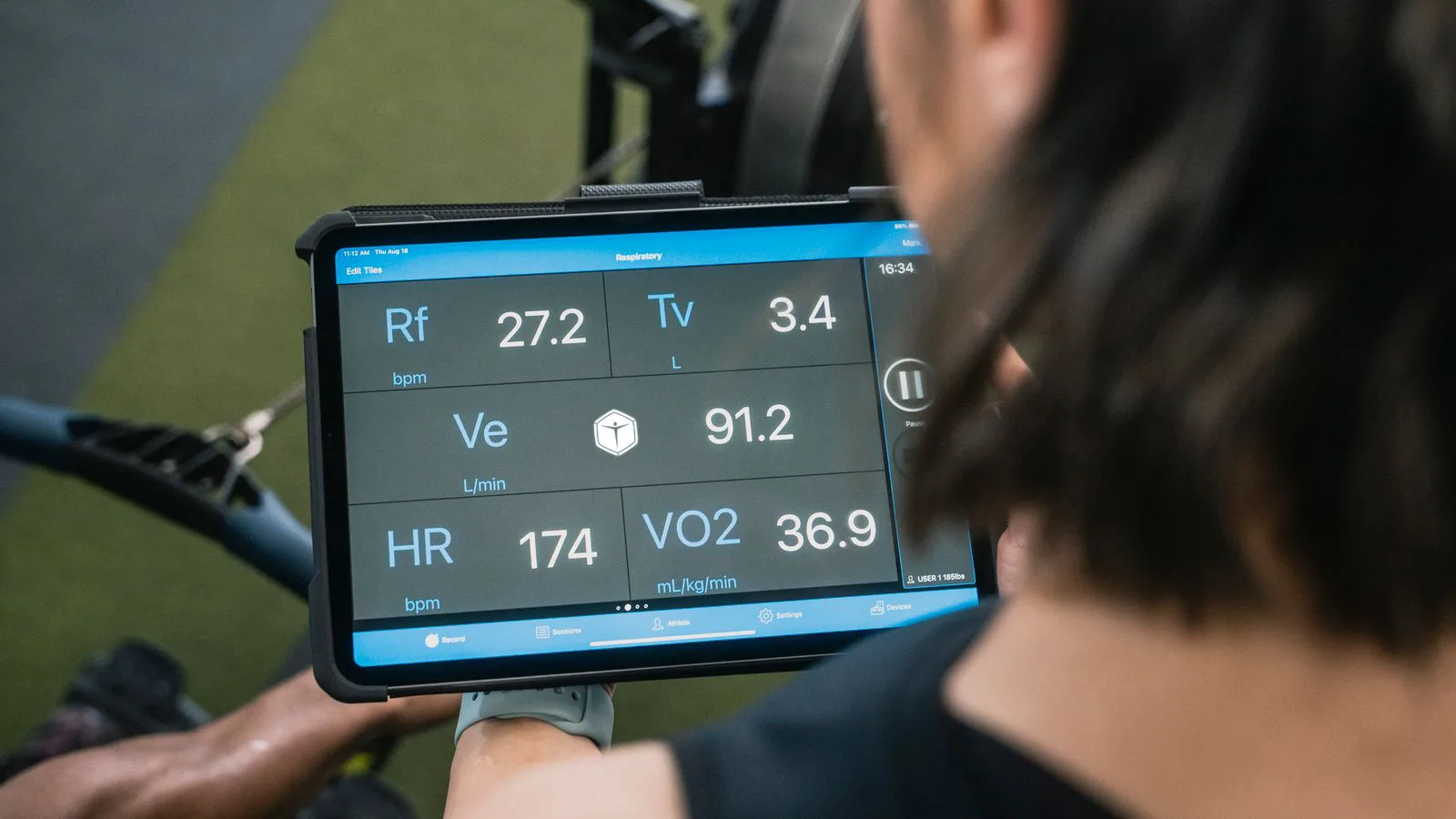
Heart rate zones split your effort into five bands, from easy to all-out. Here's what each does, how to estimate your zones, and how to train with them.
What heart rate zones are
A heart rate zone is simply a range of beats per minute, expressed as a share of your maximum. Because your pulse rises predictably with effort, zones turn 'how hard am I working' into an objective number you can see on a watch. They let you keep easy days truly easy and hard days genuinely hard.
Estimating your maximum heart rate
Every zone is a slice of your maximum heart rate, so you need that first. The classic estimate is 220 minus your age — about 190 bpm at 30 — but it can be off by 10 to 12 beats either way. A supervised max-effort test or a lab measurement is far more accurate, and worth it if you train seriously by heart rate.
The five zones and what they do
Zone 1 is recovery — a gentle flush that aids adaptation. Zone 2 is the endurance engine, where long, conversational efforts build your aerobic base and teach the body to burn fat. Zone 3 is a grey 'tempo' middle, useful but often overused. Zone 4 is threshold, the sustainable-hard effort that lifts your ceiling, and Zone 5 is short, maximal work for peak power.
Training with zones
The proven pattern is roughly 80/20: most of your time easy, in Zones 1–2, with a smaller share of genuinely hard work in Zones 4–5. The trap is Zone 3 — hard enough to tire you, not hard enough to drive the biggest gains — where many people accidentally live. Keep easy days easy, and your hard days will have something left to give.
| Zone | % of max HR | Feels like | Builds |
|---|---|---|---|
| 1 | 50–60% | Very easy | Recovery, base |
| 2 | 60–70% | Easy, can chat | Endurance, fat use |
| 3 | 70–80% | Moderate | Aerobic fitness |
| 4 | 80–90% | Hard | Threshold, speed |
| 5 | 90–100% | Maximal | Peak power |
Frequently asked questions
- How do I calculate my maximum heart rate?
- A common estimate is 220 minus your age, though it can be off by 10–12 bpm. A supervised max-effort test gives a far more accurate number.
- What zone burns the most fat?
- Zones 2–3 use the highest proportion of fat, but total calories burned matter more for fat loss — a longer easy session can burn more fat overall.
- Why is most training meant to be easy?
- A big aerobic base built in Zones 1–2 lets you absorb the hard sessions and avoid burnout — the classic 80/20 split that most endurance athletes follow.
Articles you may find interesting
All guides →Related tools
This is general fitness information, not medical advice. Max heart rate formulas are estimates — check with a doctor before starting intense exercise, especially with a heart condition or if you are new to training.
Sources
Spotted a mistake in this article?