How Fast Do Cars Depreciate? The Value Curve
Published 2/26/2026 · 3 min read · Finance calculators

Most new cars lose 15–20% of their value each year, but the first year is worse — a new car can drop 20% or more the moment it's driven off the lot and up to 30% by the end of year one. After that the curve flattens: a car often keeps around half its value at five years. So a $35,000 new car might be worth about $28,000 after a year and near $17,500 after five.
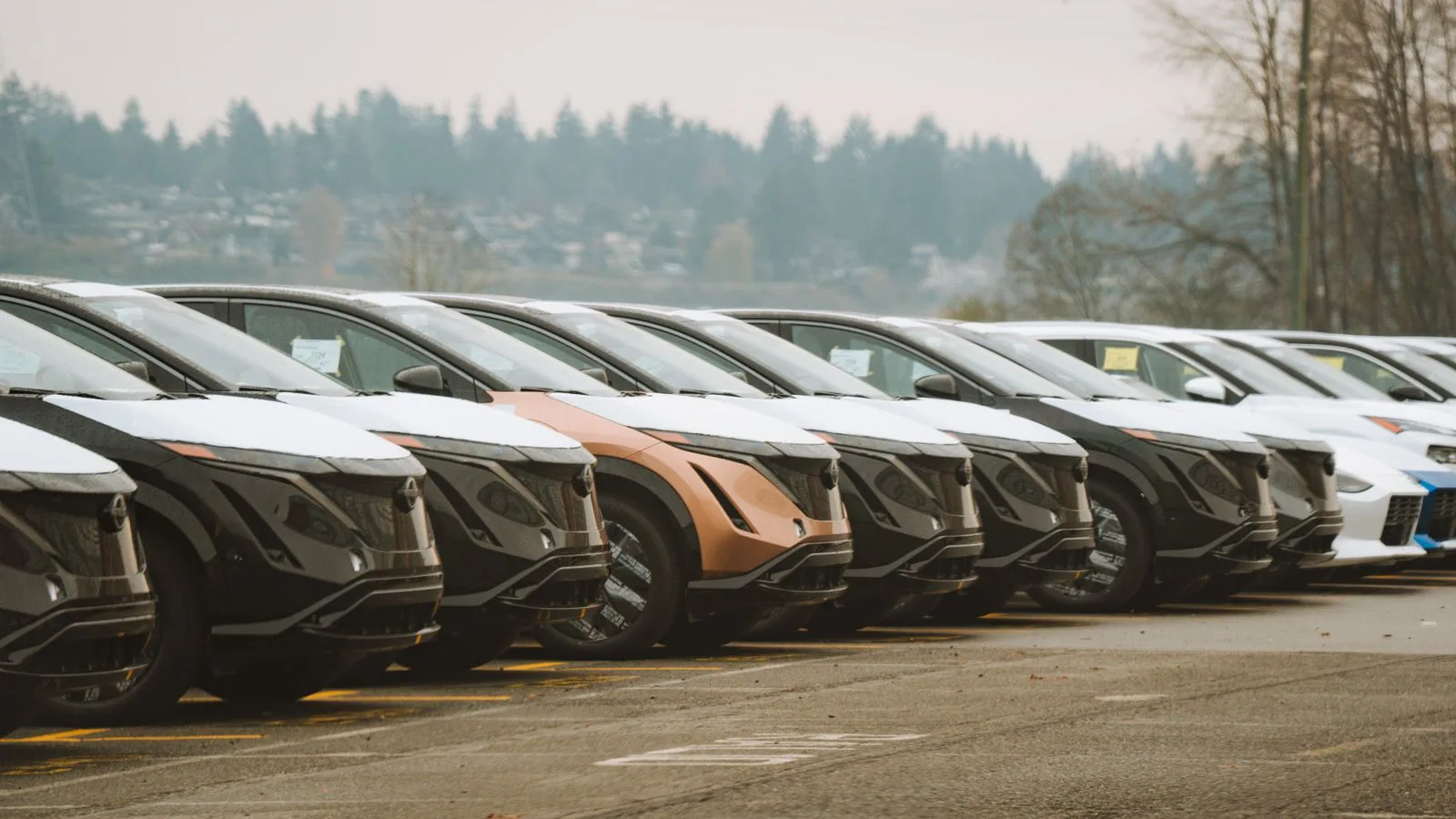
New cars lose value fastest in year one, then 15–20% a year. See the depreciation curve, why the first year hits hardest, and a worked example.
Why the first year hits hardest
A car stops being "new" the instant it's registered to you, and buyers pay a premium for genuinely new. That gap — plus the dealer margin baked into the sticker price — evaporates immediately, which is why a car can shed 20% before you reach home. It's the single steepest part of the curve.
After the initial drop, depreciation settles into a steadier 15–20% a year, applied to the remaining value rather than the original price. Because it compounds down, each year's loss in euros gets smaller even though the percentage stays similar.
A five-year worked example
Take a $35,000 new car depreciating about 20% the first year, then 15% a year. After year one it's worth about $28,000; year two, roughly $23,800; and by year five it's close to $17,500 — about half its original price. That $17,500 gap is the true cost of those five years, dwarfing fuel or insurance.
This is why buying a two- or three-year-old car is so much cheaper per mile of ownership: someone else absorbed the steepest part of the curve. The same model, lightly used, can cost a third less while still having most of its useful life ahead.
What speeds up or slows down depreciation
High mileage, a poor reliability reputation, and unpopular colors push value down faster. In the US, gas prices can swing large-SUV values sharply. Brand matters too: models known for reliability hold value markedly better than average.
On the other side, keeping full service records, staying under average mileage, and choosing a model in steady demand all slow the loss. Leasing shifts depreciation risk to the lessor, but you pay for it in the monthly rate.
Worked with our own calculator
Car depreciation calculator
Given
- Purchase price
- $15,000.00
- Age (years)
- 3
- Depreciation per year (%)
- 14
Result
- Residual value
- $9,540.84
These figures are produced by the calculator below, not typed in by hand — they are recomputed whenever the tool changes.
Run it on your own figures →Frequently asked questions
- How much does a car lose in the first year?
- Often 20–30%. A $35,000 new car can be worth around $28,000 or less after twelve months, with most of the drop happening in the first weeks.
- Do all cars depreciate at the same rate?
- No. Reliable, in-demand models hold value much better than average, while luxury cars and thirsty SUVs often depreciate faster. Mileage and condition also swing the number.
- Is buying used a way to avoid depreciation?
- Largely, yes. A two- or three-year-old car has already taken the steepest drop, so you avoid the worst of it — though it still depreciates from there, just more slowly.
- How do I estimate my car's future value?
- Start from the purchase price, apply a bigger first-year drop, then 15–20% a year on the remaining value. A depreciation calculator does this and lets you test different rates.
Articles you may find interesting
All guides →Related tools
Sources
Spotted a mistake in this article?