How Many Tiles Do You Need? (Floor and Wall)
Published 10/31/2025 · 3 min read · Everyday calculators

Marco Bianchi — Home, DIY & motoring writer at OneKitly
Renovation · Materials
Checked against 2 sources
Divide the area to tile by the area of one tile, then add about 10% for cuts and breakages. To tile a 12 m² floor with 30 × 30 cm tiles (0.09 m² each): 12 ÷ 0.09 = 134 tiles, plus 10% ≈ 148, rounded up to full boxes. Add more waste — up to 15% — for diagonal layouts or busy patterns.
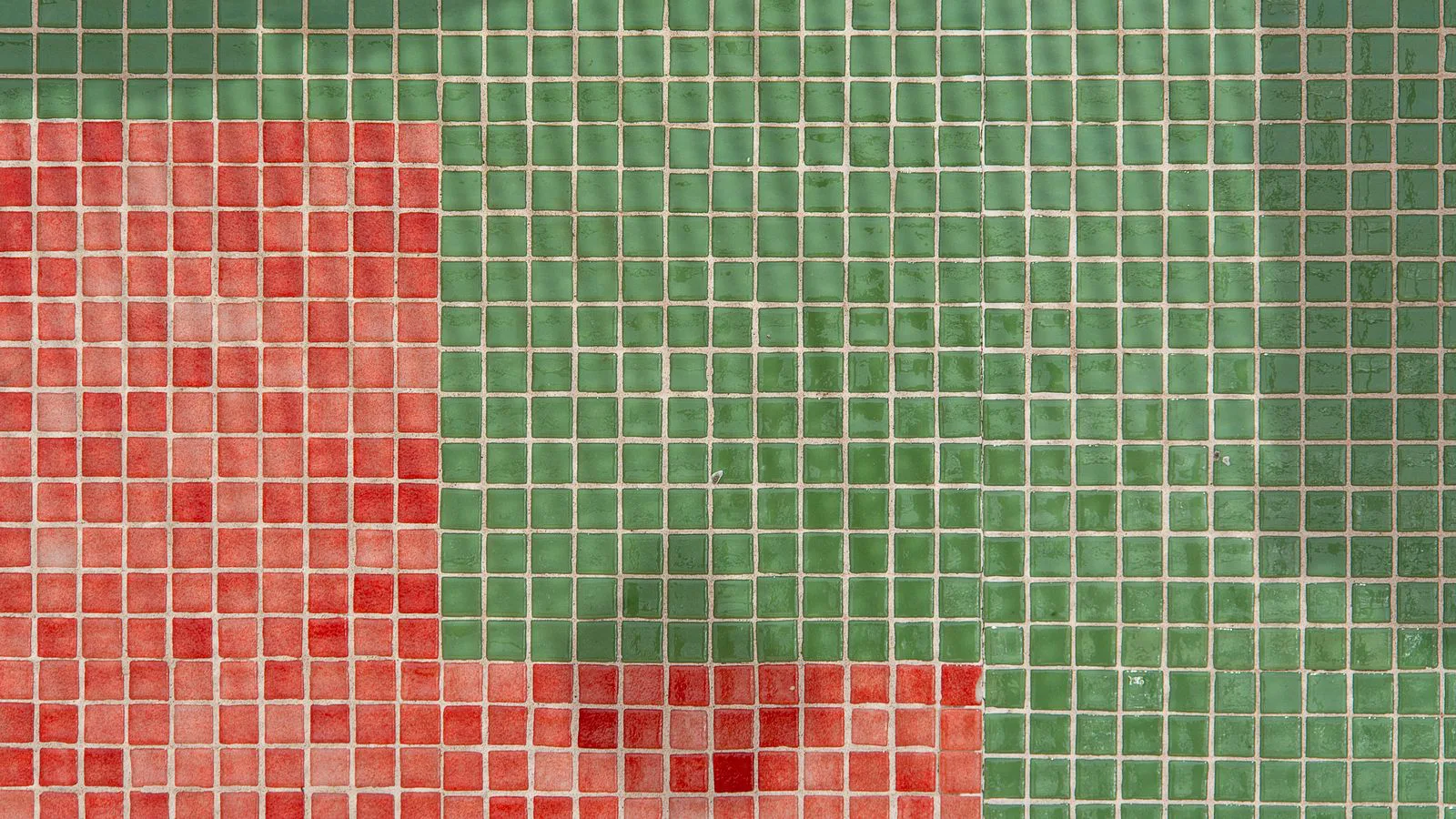
Estimate tiles from the area to cover and one tile's size, then add for cuts and waste. Here's the method, with an example and the 10% rule.
Start with the area to cover
Measure length by width to get the area in square metres. Tile a 4 × 3 m floor and you have 12 m². For walls, measure each wall the same way and add them up. Subtract only large permanent gaps — a full doorway on a wall, say; small openings are absorbed by the waste margin.
Divide by one tile's size
Convert the tile's dimensions to metres and multiply them for its area — a 30 × 30 cm tile is 0.30 × 0.30 = 0.09 m². Divide the surface by that: 12 m² ÷ 0.09 = 134 tiles before any waste. Larger tiles mean fewer pieces but more cutting waste at the edges, so the format changes both the count and the offcut margin.
Add for cuts and breakages
Edges never divide evenly, so you cut tiles and lose the offcuts, and a few break during handling. Add 10% for a simple straight layout, and 15% for diagonal or patterned work, where cuts are more frequent and less reusable. Small, awkward rooms with lots of edges can need even more.
Buy by the box, keep spares
Tiles are sold in boxes covering a set area, so round your total up to whole boxes. Buy from a single production batch, since colour can vary slightly between batches, and keep a few spare tiles from it. A cracked tile years later is easy to replace only if the spare matches — the same batch is your insurance.
Worked with our own calculator
Tile calculator
Given
- Surface area (m²)
- 20
- Tile width (cm)
- 30
- Tile height (cm)
- 30
- Waste (%)
- 10
Result
- Tiles needed
- 245
- Area with waste (m²)
- 22
These figures are produced by the calculator below, not typed in by hand — they are recomputed whenever the tool changes.
Run it on your own figures →Frequently asked questions
- How much extra should I add for waste?
- Add 10% for a simple straight layout, up to 15% for diagonal or patterned work, and more for small rooms with many cut edges.
- Should I subtract doors and fixtures?
- Only subtract large permanent features. Small openings are covered by the waste margin, and leaving them in gives a safer buffer.
- Why buy tiles from the same batch?
- Colour and size can vary slightly between production batches, so a later top-up from a different batch may not match your floor or wall.
Articles you may find interesting
All guides →Related tools
Sources
Spotted a mistake in this article?