How to Compare Unit Prices and Find the Better Deal
Published 2/9/2026 · 4 min read · Everyday calculators

Marco Bianchi — Home, DIY & motoring writer at OneKitly
Renovation · Materials
Checked against 2 sources
To compare unit prices, divide each package price by its weight or volume to get a price per pound, ounce, or fluid ounce, then compare those figures. A 24 oz jar at $4.80 is $0.20 per oz, while a 16 oz jar at $3.60 is $0.225 per oz — so the big jar is cheaper per ounce. Always convert both items to the same unit before you compare, because packages are sized to make direct comparison hard.
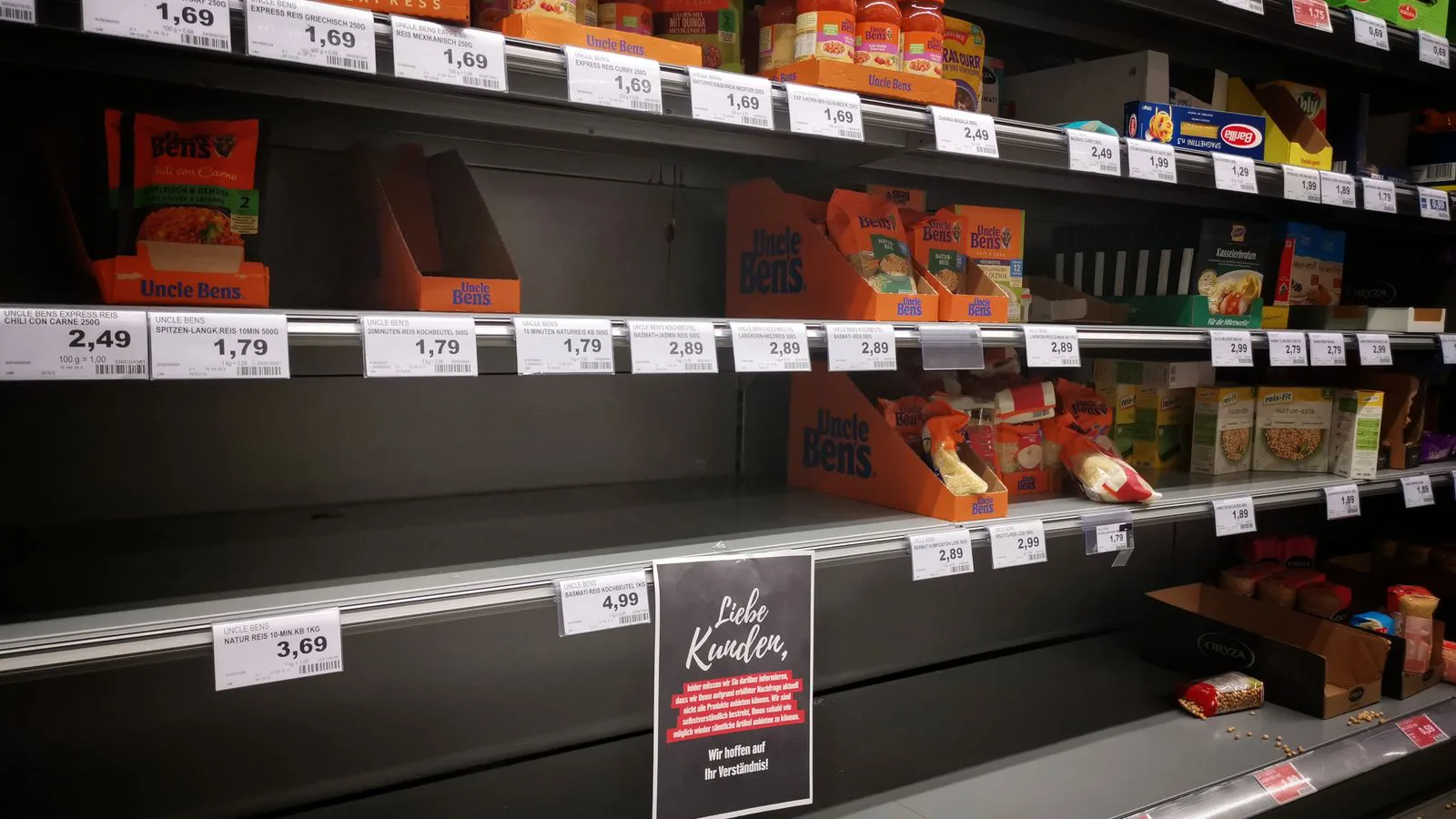
Turn any package price into a price per pound or ounce so you can compare sizes and brands honestly, ignore the marketing, and spot the real bargain on the shelf.
Why the shelf price misleads you
The big number on the tag is the package price, not the value. Two brands of pasta can sit side by side at $1.80 and $2.40, but if the first is a 12 oz box and the second a 20 oz box, the pricier package is actually the better buy at $0.12 per ounce versus $0.15. Package sizes are chosen precisely so that a quick glance cannot tell you which is cheaper.
Many stores print a unit price on the shelf label, but the units are not always the same between products — one may show price per ounce and its neighbor price per pound. Doing the conversion yourself removes that trap and lets you rank every option on one honest scale.
Weight versus volume — pick the right one
Compare like with like. Solids such as flour, cheese, or coffee are best compared by price per pound, while liquids like oil, milk, or juice compare by price per fluid ounce or quart. Mixing the two — say, comparing a bottled sauce by weight against another by volume — gives a meaningless answer.
Watch for drained weight on canned goods: a can of beans lists both a total and a drained weight, and the drained figure is the food you actually eat. When one brand packs more liquid than another, comparing by drained weight is the only fair test.
When the cheapest unit price is not the best buy
Bulk usually wins on unit price, but only if you use it before it spoils. A giant tub of yogurt at a lower price per ounce is no bargain if half of it turns before the date. Factor in shelf life, freezer space, and how fast your household actually gets through the item.
Quality and use also matter. A cheaper coffee per pound is a false economy if you need twice as much to get the same strength, and a loss-leader item can carry a higher price on everything else in the trip. Unit price is the starting filter, not the whole decision.
Worked with our own calculator
Unit price calculator
Given
- Price
- $4.50
- Quantity (g, ml, units…)
- 500
Result
- Price per unit
- $0.01
- Price per 100
- $0.90
These figures are produced by the calculator below, not typed in by hand — they are recomputed whenever the tool changes.
Run it on your own figures →Frequently asked questions
- What exactly is a unit price?
- It is the cost of a single standard measure of a product — such as one pound, one ounce, or one fluid ounce — found by dividing the package price by how much the package contains. It lets you compare different sizes on the same scale.
- How do I compare a boxed and a bagged product fairly?
- Ignore the packaging and compare the contents by weight. Convert both to price per pound, so a 12 oz box and a 2 lb bag land on the same scale and the packaging style stops distracting you.
- Is the bigger pack always cheaper per unit?
- Usually, but not always. Retailers sometimes price a mid-size pack below the family size to clear stock or run a promotion. That is exactly why you should calculate the unit price for every option instead of assuming bigger is cheaper.
- Should I count coupons and loyalty discounts?
- Yes — apply the discount first, then divide by the quantity. A coupon can flip which package wins, so calculate the unit price on the price you will actually pay at the register, not the shelf price.
Articles you may find interesting
All guides →Related tools
Sources
Spotted a mistake in this article?