How to Improve Fuel Economy: Driving Habits That Actually Save
Published 6/1/2026 · 5 min read · Car calculators

Marco Bianchi — Home, DIY & motoring writer at OneKitly
Renovation · Materials
Checked against 2 sources
The biggest gains come from how you drive, not what you drive. Smooth acceleration and anticipation instead of hard braking can save 10 to 20 percent. Keep tires at the pressure on the door sticker — underinflation quietly wastes 3 percent or more. Drop dead weight and remove empty roof racks, which add drag. On the motorway, easing from 80 to 70 mph can cut consumption by around 10 to 15 percent, because air resistance climbs with the square of speed. Together these habits routinely add several mpg with no cost.
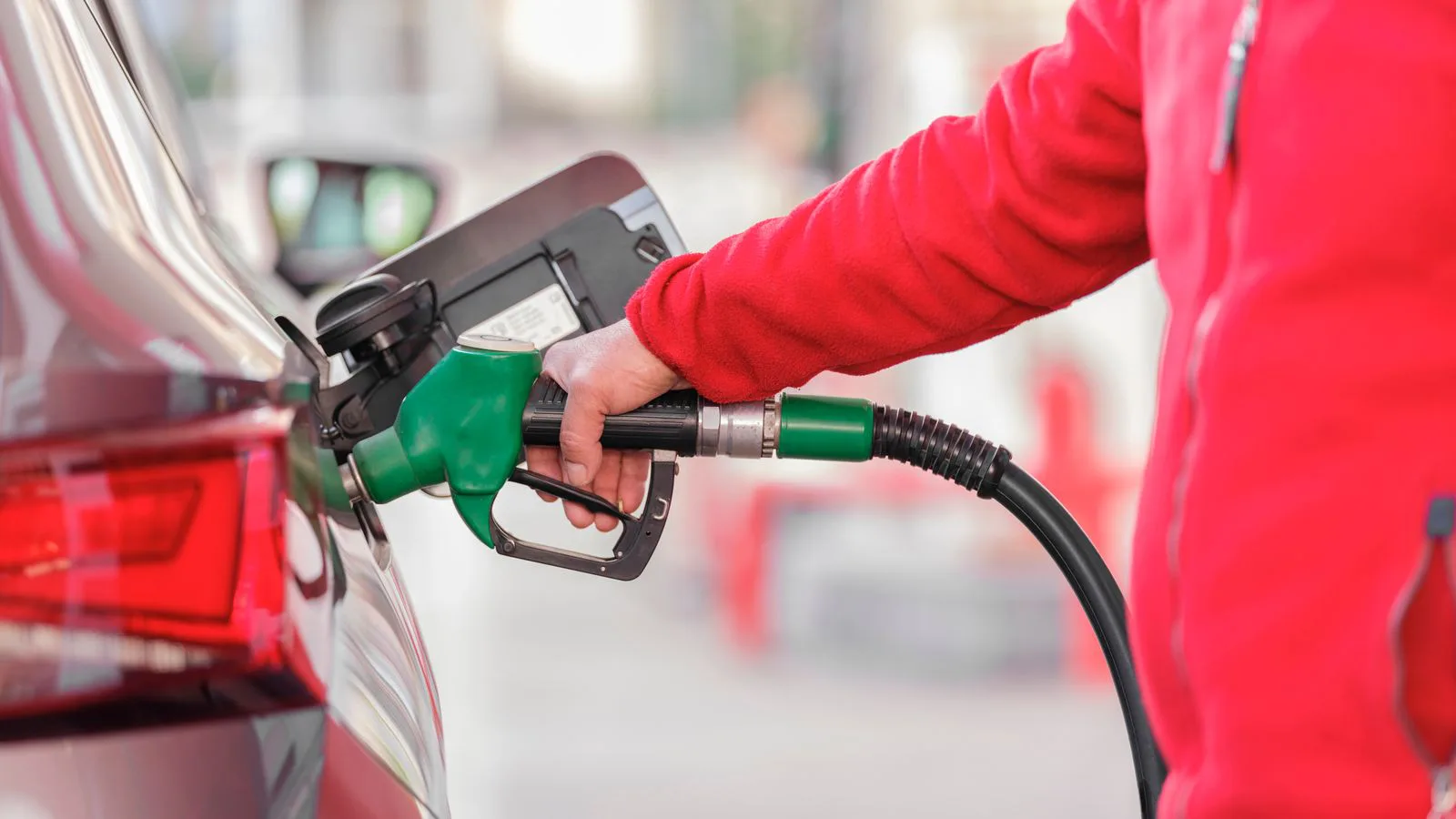
Smoother driving, correct tire pressure, less weight and lower motorway speed can cut fuel use noticeably. Here is what each one is worth.
Drive smoothly: anticipation beats horsepower
Every hard acceleration burns fuel to build speed you then throw away at the next brake pedal. Reading the road ahead — lifting off early for a red light, coasting toward a queue, leaving a gap so you rarely stop dead — turns that wasted energy back into distance. Gentle inputs alone can lift real-world economy by 10 to 20 percent, which for a car doing 35 mpg can mean gaining 4 to 7 mpg without changing anything mechanical.
Higher gears at lower revs help too. Shift up early, let the engine lug gently rather than screaming near the redline, and use the highest gear that pulls cleanly. On modern automatics, easing off the throttle lets the box upshift sooner. The goal is a low, steady engine speed for a given road speed, because most fuel is wasted spinning the engine fast, not moving the car forward.
Tires and weight: the cheap wins people skip
Under-inflated tires flex more, heat up and drag, quietly costing around 3 percent in economy for every notable drop in pressure. The correct figure is on a sticker in the driver's door jamb or the filler flap, not on the tire itself, which shows only the maximum. Check pressures cold, once a month, and again before a long trip when the car is loaded — some cars list a higher rear pressure for a full load.
Weight and air both cost fuel. A boot full of gear you never unloaded, a roof box left on after the holiday, even a spare set of tools — each kilo the engine has to accelerate and haul uphill. Roof bars and boxes are the worst offenders because they wreck the car's aerodynamics; an empty rack can add a few percent to motorway consumption on its own. Strip what you are not using and put heavy loads low and central rather than on the roof.
Speed and the square law: why 70 beats 80
Air resistance rises with the square of speed, so it climbs far faster than the speedometer. Going from 70 to 80 mph does not add a seventh more drag — it adds roughly a third, and the engine burns fuel to fight it. In practice, easing off the top of your motorway cruise from 80 to 70 mph typically trims consumption by 10 to 15 percent, often for only a few minutes lost on a long run.
The same physics rewards a steady pace over surging and slowing. Cruise control on flat, open roads holds a constant speed and avoids the little accelerations that eat fuel, though on hilly ground a light-footed driver who lets speed drift up and down slightly can beat it. Open windows add drag at speed, so above town pace the air conditioning is often the cheaper choice; below it, windows down usually win.
Worked with our own calculator
Fuel consumption calculator
Given
- Distance (km)
- 500
- Fuel used (L)
- 32
- Fuel price (per L)
- $1.85
Result
- Consumption (L/100 km)
- 6.4
- Fuel cost
- $59.20
These figures are produced by the calculator below, not typed in by hand — they are recomputed whenever the tool changes.
Run it on your own figures →Frequently asked questions
- How much can better driving actually save?
- Combined, the habits here often reach 15 to 25 percent in real-world driving. Smooth acceleration and anticipation do most of it; correct tire pressure and shedding weight and roof racks add a few percent each; and a lower motorway speed adds more. On a car returning 35 mpg, a 20 percent gain is roughly 7 mpg back.
- Does tire pressure really change fuel use that much?
- Yes, more than people expect. A tire that has quietly lost pressure over a few months flexes and drags, and a noticeable drop can cost around 3 percent, sometimes more across all four. It also wears the tire faster and hurts grip, so the correct pressure pays back twice. Check cold, because heat from driving raises the reading.
- Is it better to open the windows or use air conditioning?
- It depends on speed. Around town, open windows cost little and beat running the compressor. On the motorway, open windows spoil the aerodynamics and can waste more than the air conditioning draws, so at cruising speed the AC is usually the more economical choice. Rough rule: windows below town-to-suburb pace, air conditioning above it.
- Does removing an empty roof rack really matter?
- Yes. Roof bars and boxes disrupt the smooth airflow over the car, and that drag costs fuel even when they carry nothing. An empty rack can add a few percent to motorway consumption, and a bulky box more. If you only use it for occasional trips, take it off in between rather than leaving it up all year.
Articles you may find interesting
All guides →Related tools
Sources
Spotted a mistake in this article?