The Real Cost Per Mile of Driving: Beyond Just Fuel
Published 4/20/2026 · 5 min read · Car calculators

Marco Bianchi — Home, DIY & motoring writer at OneKitly
Renovation · Materials
Checked against 2 sources
The true cost per mile is fuel plus depreciation, insurance and maintenance, all divided by the miles you drive in a year. Fuel is often the smallest of the four: a car doing 30 mpg with gas at $3.50 costs about 12 cents a mile in fuel, but depreciation on a typical car adds 15 to 25 cents, and insurance and upkeep another 10 to 15 cents. Add them up and a normal car costs roughly 50 to 65 cents per mile all-in, several times the pump-only figure most drivers picture.
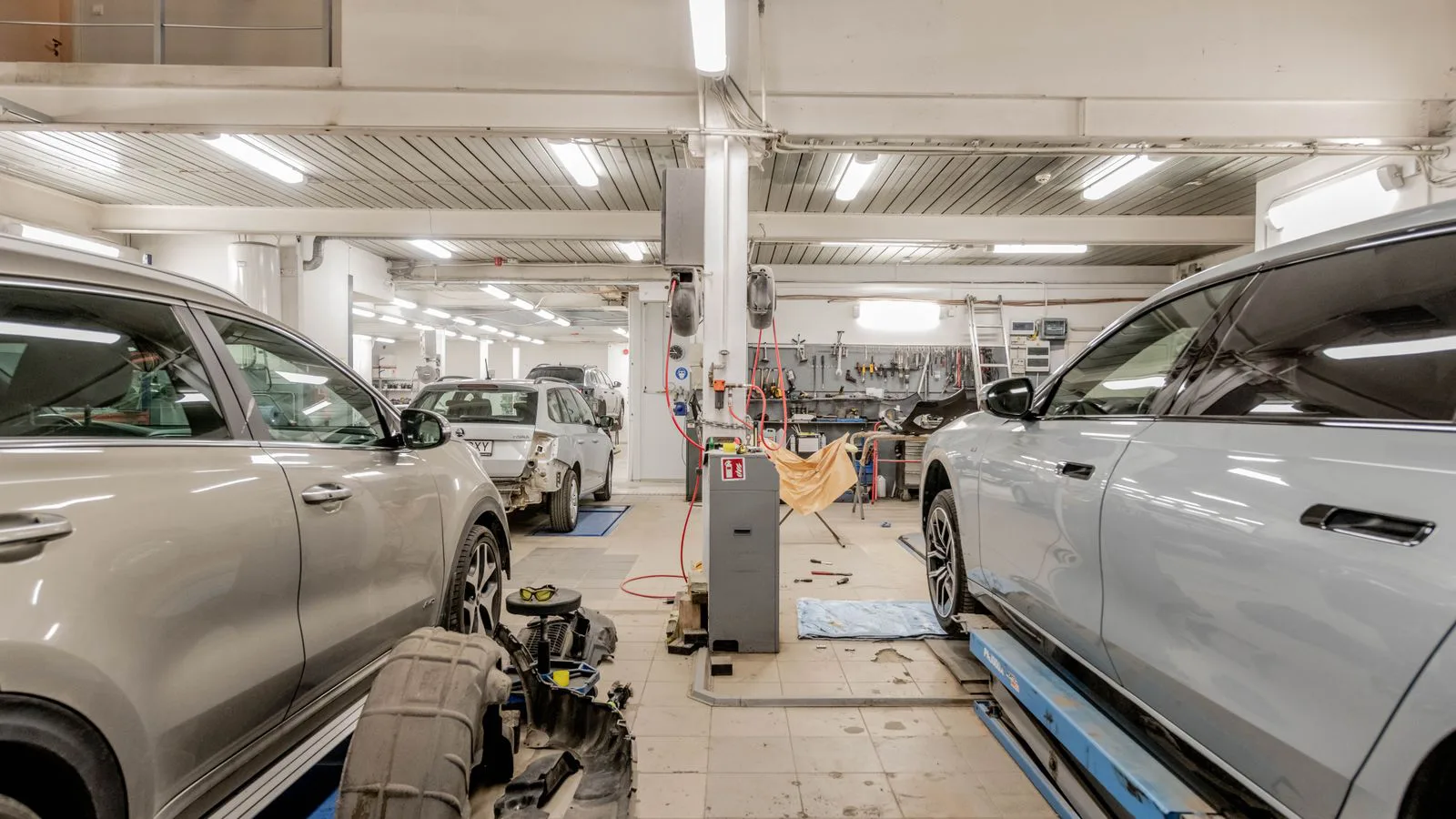
Fuel is only part of what a mile costs. Add depreciation, insurance and maintenance to find your true cost per mile — and why it is higher than the pump suggests.
Fuel is the visible cost — and the smallest
Because you pay for fuel at the pump every week, it feels like the main cost of driving. It rarely is. At 30 mpg with gas at $3.50 a gallon, each mile burns about 12 cents of fuel. Even an inefficient car doing 20 mpg is only around 18 cents a mile. That is the number most drivers have in their head — and it badly understates the truth.
The reason fuel feels dominant is timing: it is a frequent, obvious payment, while the bigger costs are silent. Depreciation never sends you a bill, insurance is a monthly draft you tune out, and maintenance arrives in lumps you forget between visits. Adding them up is the only way to see what a mile really costs.
Depreciation: the hidden giant
For most cars, depreciation is the single largest cost per mile, quietly larger than fuel. A car that loses $3,000 of value in a year driven 12,000 miles is costing you 25 cents a mile before you have bought a drop of gas. Newer and pricier cars depreciate faster in absolute terms, which is why an expensive commuter can cost far more per mile than a cheap one.
This is also why cost per mile falls as a car ages. Once the steep early depreciation is behind it, an older paid-off car can be remarkably cheap to run per mile even if it drinks more fuel, because the biggest cost has already been absorbed. Buying used and keeping a car is the classic way to push cost per mile down.
Insurance, upkeep and why the total matters
Insurance and maintenance are the last two pieces. Spread over a typical year's driving, insurance often works out around 10 cents a mile and maintenance — oil, brakes, tires, the occasional repair — another 5 to 10 cents. Neither tracks tightly with distance, so the more you drive, the lower these become per mile, which rewards high-mileage drivers.
Add the four together and the picture changes completely: a normal car all-in lands around 50 to 65 cents per mile, not the 12 cents fuel alone suggests. Knowing this changes real decisions — whether a longer commute is worth it, whether to keep a second car, or whether that cheap flight beats driving once every cost is counted.
Worked with our own calculator
Cost per mile calculator
Given
- Total yearly cost
- $8,000.00
- Miles driven per year
- 12,000
Result
- Cost per mile
- $0.67
- Cost per km
- $0.41
These figures are produced by the calculator below, not typed in by hand — they are recomputed whenever the tool changes.
Run it on your own figures →Frequently asked questions
- Why is depreciation counted if I have not sold the car?
- Because the value is lost whether or not you sell. When you eventually do sell or trade in, you get less than you paid, and that gap is a real cost you spread across the miles driven. Ignoring it makes driving look far cheaper than it is.
- Does driving more make cost per mile go up or down?
- Down, on average, because fixed costs like insurance and part of depreciation are spread over more miles. But fuel and wear costs rise with distance, and very high mileage can lift maintenance, so the fixed-cost saving has limits.
- What is a good target cost per mile?
- There is no universal target — it depends on the car's price, your mileage and where you live. The useful move is to calculate your own figure and compare cars or scenarios against each other, rather than chase a single national average.
- Should I include the loan interest too?
- Yes, if you financed the car, the interest is a genuine cost of driving it. Add your yearly interest to the other four items and divide by yearly miles. Cash buyers can instead count the opportunity cost of the money tied up in the car.
Articles you may find interesting
All guides →Related tools
Sources
Spotted a mistake in this article?