Luggage Weight and Size Limits: How Airlines Actually Measure Your Bag
Published 5/25/2026 · 5 min read · Car calculators

Marco Bianchi — Home, DIY & motoring writer at OneKitly
Renovation · Materials
Checked against 2 sources
Airlines judge a bag two ways: its linear size (length + width + height added together) and its weight. A typical carry-on cap is 22 + 14 + 9 in (56 + 36 + 23 cm) with a weight limit of 15 to 22 lb (7 to 10 kg). A typical checked bag is capped at 62 linear in (158 cm) and 50 lb (23 kg) in economy. For light, bulky parcels, couriers instead charge "volumetric weight" — length x width x height divided by a divisor — and bill whichever is greater. Always add the three sides, then check both the size and the weight rule for your exact carrier and fare.
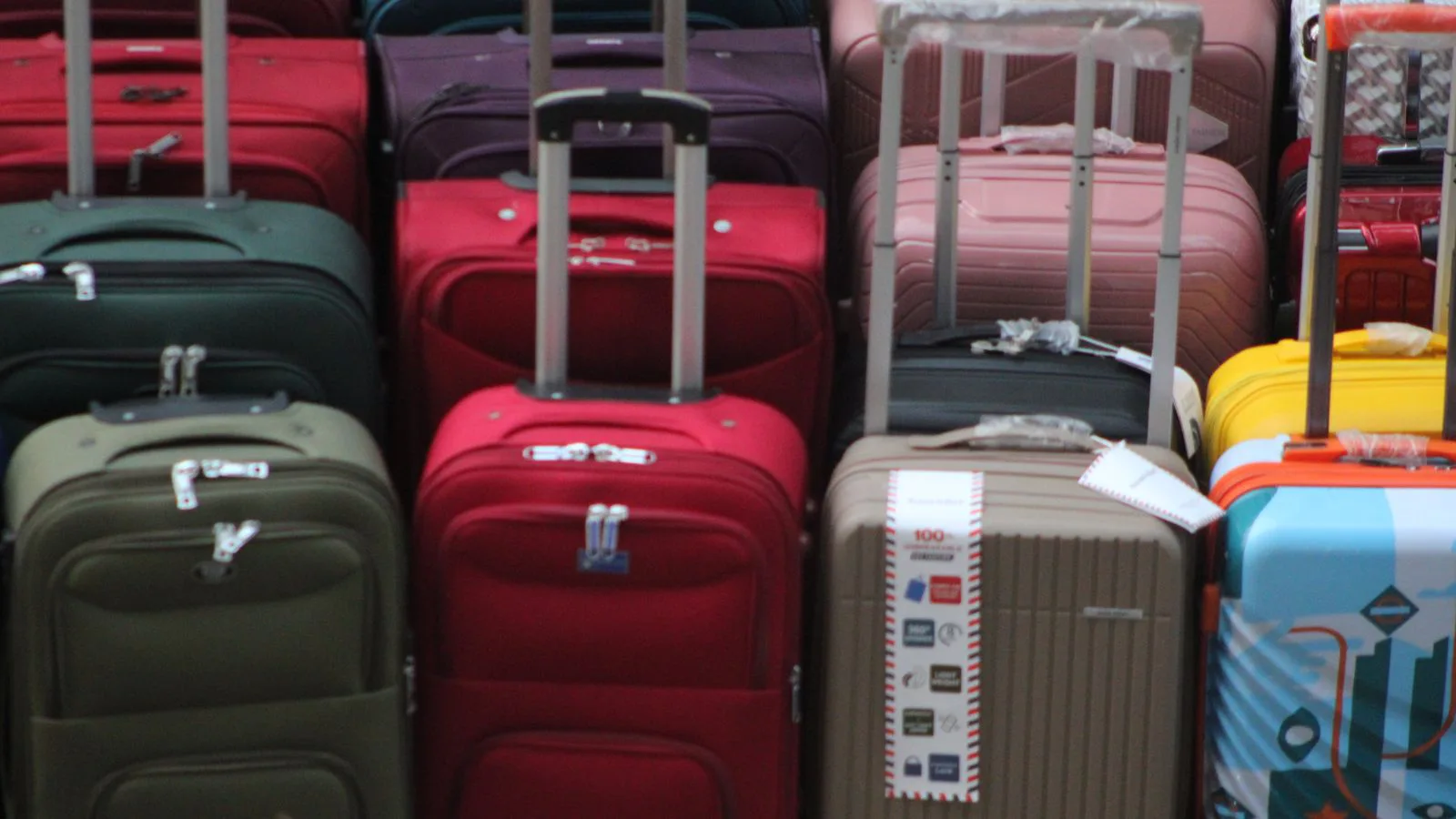
Linear dimensions, volumetric weight and typical cabin and checked limits explained, so your bag clears the gate without a surprise fee.
Linear dimensions: why airlines add the three sides
Instead of quoting length, width and height separately, most airlines add them into a single number called the linear dimension. A checked bag limit of 62 linear in (158 cm) means length + width + height must not exceed that total. A case measuring 28 + 20 + 12 in (71 + 51 + 31 cm) sums to 60 in (153 cm), so it fits; add a bulging front pocket and you can tip over the line. The single figure is quick to check with a tape measure and hard to argue with at the desk.
Measure the bag at its widest points, including wheels, handles and bulges — that is what the airline gauge captures. Soft bags overfilled at home swell past the number stamped on the tag, and a case that fit on the outbound leg can fail on the way home once souvenirs push out the seams. When you are close to the limit, measure packed, not empty.
Volumetric weight: when size costs more than the scale says
A pillow weighs almost nothing but fills a whole box, so charging by weight alone would give couriers away that space for free. They fix this with volumetric weight: multiply length x width x height, then divide by a set divisor (often 5,000 for cm and kg, or 139 for in and lb). A 24 x 16 x 12 in box works out to about 33 volumetric lb even if the scale reads 8 lb — and you pay for the larger of the two.
This matters most for parcels and excess-baggage boxes rather than a dense suitcase, which almost always bills by actual weight. But if you ship winter coats, bedding or a lampshade home, run the volumetric sum first so the quote does not shock you. Packing into a smaller box, even if it feels tight, can cut the chargeable weight sharply because the divisor rewards compact shapes.
Typical cabin and checked limits — and how to stay under them
Cabin allowances cluster around 22 + 14 + 9 in (56 + 36 + 23 cm), though budget carriers shrink the free item to a small bag under the seat and sell the overhead slot separately. Weight caps run from 15 to 22 lb (7 to 10 kg), and some airlines weigh cabin bags at the gate. Checked economy bags typically max out at 62 linear in (158 cm) and 50 lb (23 kg); business fares often lift the weight to 70 lb (32 kg), which is also the handler safety ceiling for a single piece.
The cheapest fix is a light shell case and a luggage scale hooked to the handle before you leave home. Wear the heaviest coat and boots onto the plane, keep dense items like books and chargers in your personal item, and leave a few pounds of headroom for souvenirs. If a bag runs over, redistributing into a second checked bag is almost always cheaper than the per-kilo excess rate charged at the desk.
Worked with our own calculator
Luggage Allowance & Volumetric Weight Guide
Given
- Length (cm)
- 61
- Width (cm)
- 44
- Height (cm)
- 25
- Actual weight (kg)
- 11
Result
- Linear dimensions (L+W+H)
- 130 cm
- Volumetric weight
- 13.42 kg
- Chargeable weight
- 13.42 kg
These figures are produced by the calculator below, not typed in by hand — they are recomputed whenever the tool changes.
Run it on your own figures →Frequently asked questions
- What does "linear" mean for a checked bag?
- It is the sum of the three sides: length + width + height. A 62-linear-inch (158 cm) limit means those three measurements added together must not pass 62 in. No single side has its own cap, so a long, thin case and a short, fat one can both be legal as long as the total holds.
- Do wheels and handles count toward the size?
- Yes. The gate and check-in gauges measure the bag at its outermost points, so protruding wheels, retractable handles and side pockets are all included. When you are near the limit, measure over the wheels and handle, not just the main shell, or the sizer at the gate will do it for you.
- When does volumetric weight apply instead of actual weight?
- Couriers and excess-baggage shippers compare the two and bill whichever is greater. Actual weight wins for dense items; volumetric weight wins for light, bulky ones like duvets or lampshades. A normal packed suitcase is dense enough that its scale weight almost always decides, but a big, half-empty box can be charged on volume.
- Is a carry-on always lighter than a checked bag limit?
- Yes, by design. Cabin weight caps of 15 to 22 lb (7 to 10 kg) are set so passengers can lift the bag into the overhead bin unaided, while checked limits of 50 lb (23 kg), rising to 70 lb (32 kg) in premium, reflect what a handler can move safely. So the cabin number is always the tighter of the two on weight, even though the size is smaller too.
Articles you may find interesting
All guides →Related tools
Sources
Spotted a mistake in this article?