EV vs Gas: Comparing the Real Annual Running Cost
Published 4/23/2026 · 4 min read · Car calculators

Marco Bianchi — Home, DIY & motoring writer at OneKitly
Renovation · Materials
Checked against 2 sources
For fuel alone, an EV charged at home is usually much cheaper per mile than a gas car. A typical EV uses about 0.30 kWh per mile; at $0.15 per kWh that is roughly 4.5 cents a mile. A gas car at 30 mpg with gas at $3.50 costs about 12 cents a mile — nearly three times as much. Over 12,000 miles a year that is around $540 in electricity versus $1,400 in gasoline, a saving of about $860. But the gap narrows if you rely on pricey public fast-charging, and the full picture must also weigh the EV's higher purchase price and depreciation.
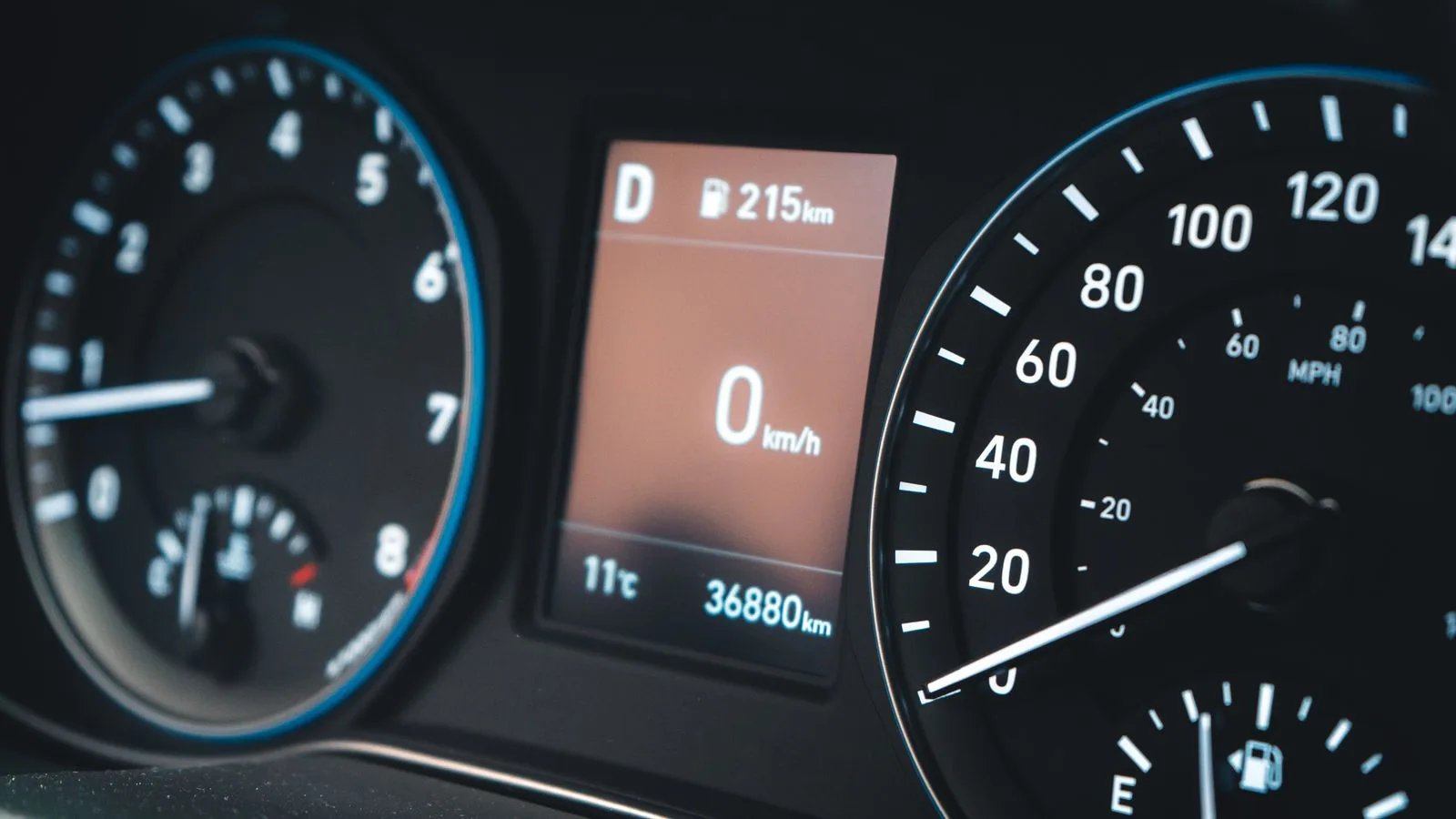
How much does it actually cost to fuel an EV versus a gas car each year? We compare cost per mile from electricity and gasoline, plus the factors that swing the answer.
The fuel maths, side by side
Comparing energy fairly means reducing both to cost per mile. An EV's appetite is measured in kilowatt-hours per mile — around 0.30 kWh for a typical model. Multiply by your electricity rate: at $0.15 per kWh, that is about 4.5 cents a mile. A gas car divides fuel price by efficiency: $3.50 a gallon ÷ 30 mpg gives about 12 cents a mile.
On these numbers the EV runs at roughly a third of the gas car's fuel cost. Scale it to a year: at 12,000 miles that is about $540 of electricity against $1,400 of gasoline, saving near $860. The saving grows anywhere fuel is expensive or electricity is cheap, and shrinks where the reverse holds.
Where you charge changes everything
The home-charging figure is the EV's best case. Public fast-chargers can cost two or three times as much per kWh, which erodes and can even erase the advantage for drivers who cannot charge at home. Someone who charges overnight on a cheap off-peak rate sees a very different result from an apartment dweller relying on roadside fast-charging.
This is the single biggest variable in any honest comparison. Before assuming EV savings, be realistic about how you will actually charge most of the time. If home charging is available, the fuel-cost advantage is large and durable; if not, run the numbers with real public-charging prices before deciding.
Fuel is not the whole story
Energy is where EVs shine, but the total cost of ownership includes more. EVs often carry a higher sticker price and can depreciate differently, while gas cars have more moving parts to service — oil changes, exhaust, timing components — that EVs simply do not have. Maintenance tends to favour the EV, purchase price the gas car.
To decide honestly, put your own numbers — annual mileage, local electricity and fuel prices, and how you charge — into an EV-versus-gas comparison, then layer on purchase price and expected depreciation. Fuel savings alone can be substantial, but they are one input into a bigger total-cost picture, not the whole answer.
| Factor | Electric (home charge) | Gasoline |
|---|---|---|
| Energy use | ~0.30 kWh per mile | ~30 mpg |
| Energy price | $0.15 per kWh | $3.50 per gallon |
| Cost per mile | ~4.5 cents | ~12 cents |
| Cost for 12,000 miles / 19,000 km | About $540 | About $1,400 |
| Swing factor | Public fast-charging is far pricier | Higher fuel prices widen EV's lead |
Worked with our own calculator
EV vs Petrol Running Cost Calculator
Given
- Annual distance (km)
- 15,000
- Petrol use (L/100km)
- 7
- Petrol price per litre
- 1.8
- EV use (kWh/100km)
- 18
- Electricity price per kWh
- 0.25
Result
- Petrol annual cost
- $1,890.00
- EV annual cost
- $675.00
- Annual savings with EV
- $1,215.00
These figures are produced by the calculator below, not typed in by hand — they are recomputed whenever the tool changes.
Run it on your own figures →Frequently asked questions
- Is an EV always cheaper to run than a gas car?
- For fuel, usually yes when charging at home, because electricity per mile is typically well below gasoline. But relying on expensive public fast-charging can shrink or cancel the saving, and higher purchase price and depreciation can offset it in total cost.
- How do I compare kWh per mile with mpg?
- Convert both to cost per mile. For the EV, multiply kWh per mile by your electricity price. For the gas car, divide fuel price per gallon by mpg. Comparing two cost-per-mile figures is the only apples-to-apples way.
- Does cold weather hurt EV running costs?
- Somewhat. Cold reduces battery range and cabin heating draws extra energy, so kWh per mile rises in winter, raising cost per mile. Gas cars also use a little more fuel when cold, but the seasonal swing is usually larger for EVs.
- Do EV incentives change the comparison?
- Yes, on the purchase side. Grants or tax credits can cut the EV's higher upfront price and improve total cost, though they do not affect the per-mile fuel maths. Check what applies where you live before comparing sticker prices.
Articles you may find interesting
All guides →Related tools
Sources
Spotted a mistake in this article?