Best Time to Wake Up: Using Sleep Cycles
Published 4/27/2026 · 3 min read · Health calculators

Sleep moves through cycles of roughly 90 minutes, each passing from light to deep sleep and REM. Waking at the end of a cycle — rather than in the middle of deep sleep — tends to feel less groggy. To find a good bedtime, pick your wake time and count back in 90-minute blocks (for example five or six cycles), plus about 15 minutes to fall asleep.
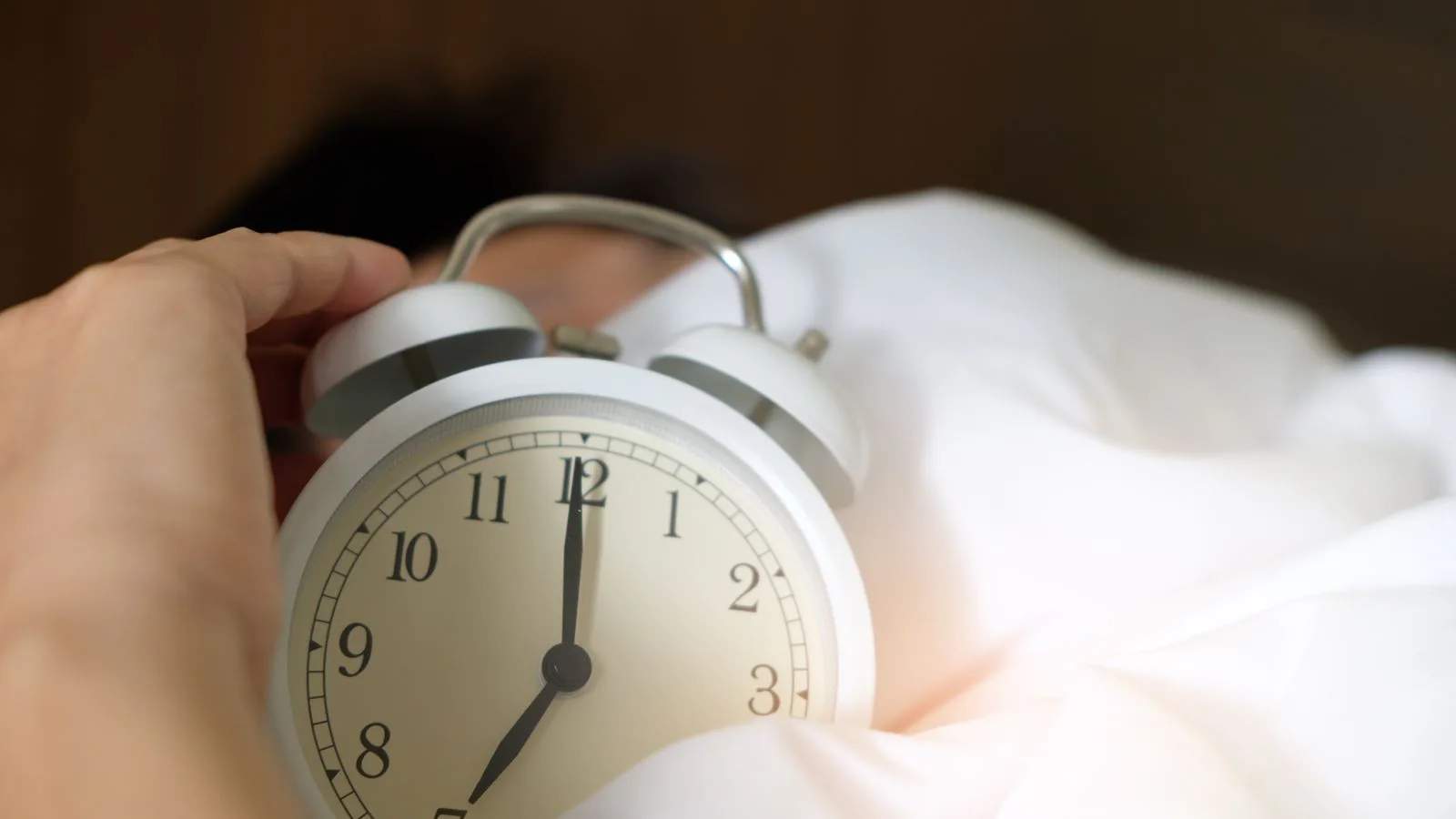
Sleep runs in cycles of about 90 minutes. Waking at the end of a cycle can help you feel more refreshed. Here's how to count back from your wake time.
What a sleep cycle is
During the night your brain cycles through stages: light sleep, deep (slow-wave) sleep, and REM sleep, when most dreaming happens. One full cycle lasts roughly 90 minutes on average, though it varies from about 80 to 110 minutes between people and across the night.
Early in the night, cycles contain more deep sleep; later, they shift toward more REM. This is why the second half of the night often feels lighter and dream-heavy, and why waking near the end of a cycle — when sleep is naturally lighter — feels easier than being pulled out of deep sleep.
Counting back from your wake time
Start from the fixed time you must wake up. Most adults do well on five to six cycles, which is about 7.5 to 9 hours of sleep. Counting back in 90-minute steps from your wake time lands you on bedtimes that let a cycle finish naturally rather than cutting one short.
Add roughly 15 minutes for the time it takes to fall asleep. For example, to wake at 7:00 with six cycles, you would aim to be in bed around 10:15 the night before. These are guides, not guarantees — real cycle length varies, so treat the result as a target window.
Making the method work
Total sleep still matters most: aiming for a consistent 7 to 9 hours for adults beats obsessing over exact cycle timing. A regular schedule, a dark cool room, and limiting screens and caffeine before bed all help you fall asleep faster and cycle more predictably.
If you wake naturally a few minutes before your alarm, that often means you finished a cycle — a good sign your timing suits you. Persistent trouble sleeping, loud snoring, or daytime exhaustion despite enough hours deserve a conversation with a healthcare professional.
Frequently asked questions
- How long is one sleep cycle?
- A full sleep cycle averages about 90 minutes, but it varies between roughly 80 and 110 minutes from person to person and across the night. That is why the 90-minute figure is a useful estimate rather than an exact rule.
- How many sleep cycles do I need?
- Most adults do well on five to six cycles per night, which is roughly 7.5 to 9 hours of sleep. Individual needs vary, so use how rested you feel during the day as your main guide.
- Why do I feel groggy even after enough hours?
- Grogginess on waking, called sleep inertia, is common when the alarm pulls you out of deep sleep mid-cycle. Aligning your wake time with the end of a cycle can reduce it, though sleep quality and consistency matter more overall.
- Is it better to sleep in full cycles or get more total hours?
- Total sleep is the priority. It is better to get enough overall sleep than to cut hours short just to end on a cycle boundary. Use cycle timing to fine-tune your bedtime once you are already sleeping enough.
Articles you may find interesting
All guides →Related tools
For general information only — not medical advice; consult a professional.
Sources
Spotted a mistake in this article?