Blood Pressure Ranges Explained
Published 4/21/2026 · 3 min read · Health calculators

Blood pressure is written as two numbers in millimeters of mercury (mmHg): systolic (the top number, when the heart beats) over diastolic (the bottom number, when it rests). Under the ACC/AHA guideline, normal is below 120/80 mmHg; 120–129 systolic is elevated; 130/80 and above is hypertension. A reading at or above 180/120 mmHg is a crisis needing urgent care.
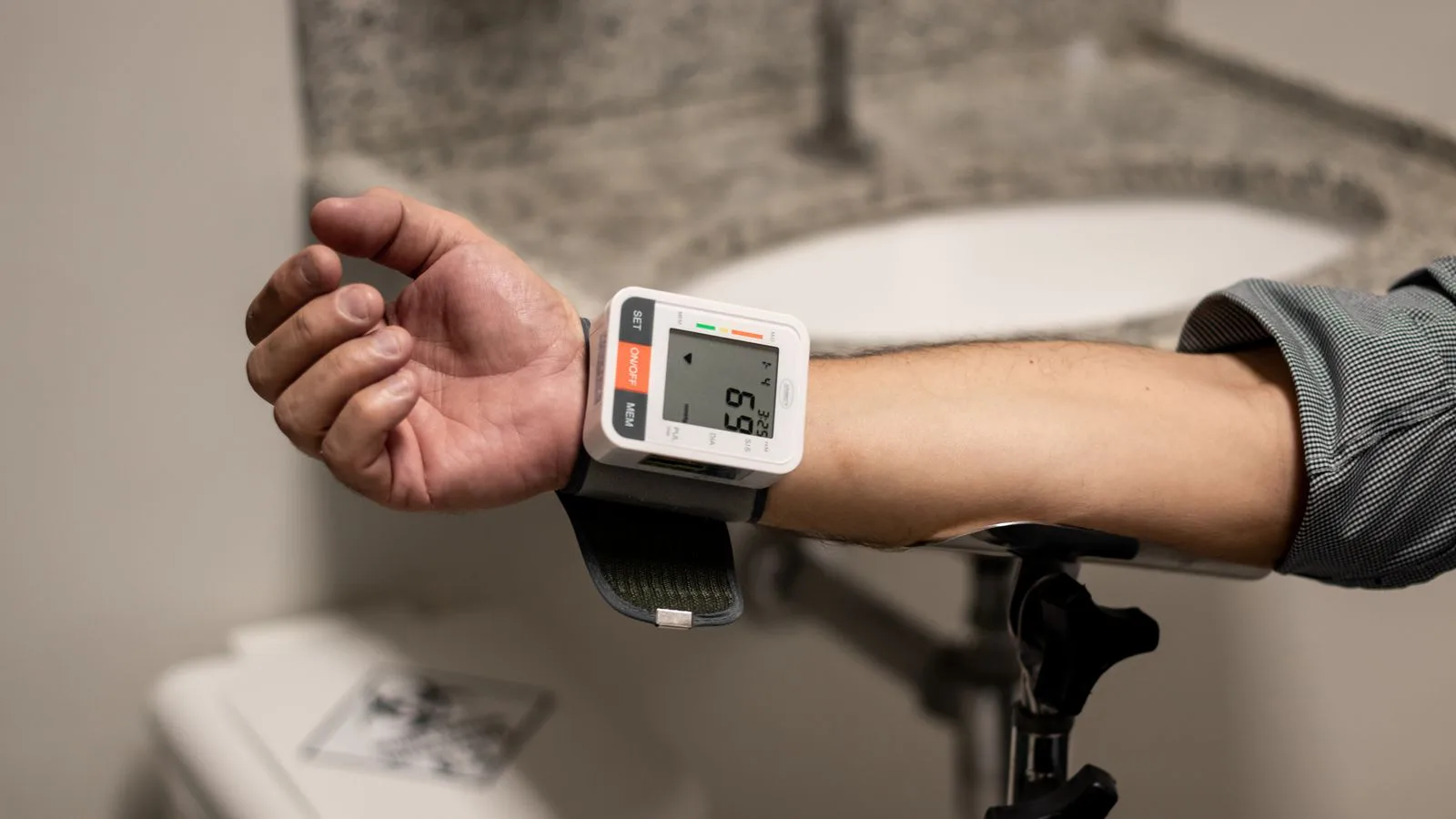
Blood pressure has two numbers: systolic and diastolic, measured in mmHg. Learn the ACC/AHA categories from normal to hypertensive crisis and what they mean.
Systolic and diastolic: the two numbers
The systolic number is the pressure in your arteries when the heart contracts and pushes blood out. The diastolic number is the pressure between beats, when the heart relaxes and refills. A reading of 118/76 mmHg is read as 118 systolic over 76 diastolic.
Both numbers matter. Either one being high can place you in a higher category, and doctors look at the pattern over several readings rather than a single measurement. Blood pressure naturally rises and falls through the day with activity, stress, and posture.
The ACC/AHA categories
The American College of Cardiology and American Heart Association define five categories. Normal is below 120/80 mmHg. Elevated is 120–129 systolic and below 80 diastolic. Stage 1 hypertension is 130–139 systolic or 80–89 diastolic, and Stage 2 is 140/90 mmHg or higher.
The fifth category, hypertensive crisis, is a reading at or above 180/120 mmHg. If your blood pressure is that high, wait a few minutes and measure again; if it stays that high — especially with symptoms like chest pain, shortness of breath, or vision changes — seek emergency care immediately.
Measuring accurately at home
Sit with your back supported and feet flat, rest for five minutes, and keep the arm at heart level. Avoid caffeine, exercise, and smoking for at least 30 minutes beforehand, and take two or three readings a minute apart, then average them.
Home monitoring is useful, but the categories above are meant to inform, not to diagnose. A single reading in a higher band does not mean you have hypertension — diagnosis relies on repeated measurements confirmed by a clinician.
Frequently asked questions
- What is a normal blood pressure reading?
- Under the ACC/AHA guideline, normal blood pressure is below 120/80 mmHg — a systolic under 120 and a diastolic under 80. Values above this fall into elevated or hypertensive categories.
- Which number is more important, systolic or diastolic?
- Both are important, and either being elevated can indicate higher risk. In older adults, the systolic (top) number is often given more weight, but doctors interpret them together along with your overall health.
- Can blood pressure change during the day?
- Yes. Blood pressure normally rises and falls throughout the day with activity, stress, sleep, meals, and posture. It is typically lowest during sleep and higher in the morning, which is why doctors rely on multiple readings rather than one.
- When should I see a doctor about my blood pressure?
- See a doctor if your readings are repeatedly 130/80 mmHg or higher, or if you have symptoms. A reading at or above 180/120 mmHg that stays high, especially with chest pain, trouble breathing, or vision changes, is a medical emergency — seek care right away.
Articles you may find interesting
All guides →Related tools
For general information only — not medical advice; consult a professional.
Sources
Spotted a mistake in this article?