How Far Apart to Plant? Spacing and Plants per Area
Published 1/26/2026 · 3 min read · Everyday calculators

Marco Bianchi — Home, DIY & motoring writer at OneKitly
Renovation · Materials
Checked against 2 sources
For a square grid, the number of plants is the bed area divided by the spacing squared. If plants go 12 in apart, each occupies 12 in × 12 in = 1 sq ft, so a 100 sq ft bed holds about 100 plants. A triangular (staggered) layout fits roughly 15% more plants in the same area for the same spacing.
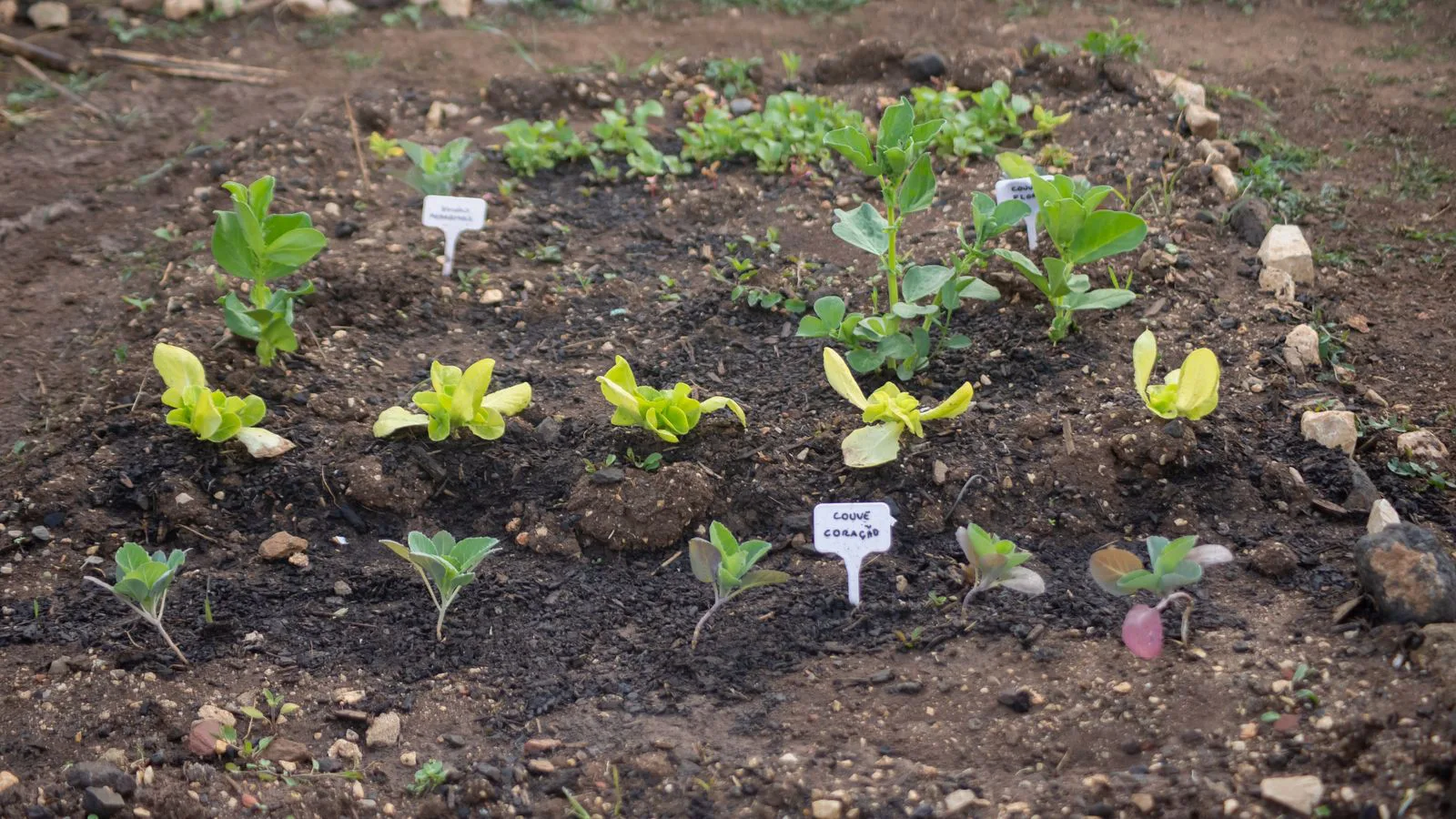
Turn a plant-spacing figure into how many plants you need for a bed or row — including the difference between square and triangular layouts.
Spacing is measured center to center
Plant spacing is the distance between the centers of neighboring plants, not the gap between their edges. A tomato labeled for 24 in spacing wants its stem 24 in from the next stem in every direction. Getting this right from the start avoids overcrowding, which starves plants of light and air and invites disease.
Square vs triangular layouts
In a square layout, plants sit on a simple grid — easy to lay out and mark. In a triangular or staggered layout, each row is offset by half a space, so plants nestle into the gaps of the row behind. For the same spacing, the triangular pattern fits about 15% more plants into the same area, which is handy when you want maximum yield from a bed.
Don't forget the edges
The simple area formula assumes plants fill the bed edge to edge, but you usually leave a margin so plants don't spill over paths or crowd a wall. For small beds this edge effect noticeably lowers the real count, so treat the calculated number as a maximum and shave a little off for a realistic order.
Worked with our own calculator
Plant spacing calculator
Given
- Area (m²)
- 10
- Spacing (cm)
- 30
Result
- Plants needed
- 111
These figures are produced by the calculator below, not typed in by hand — they are recomputed whenever the tool changes.
Run it on your own figures →Frequently asked questions
- What if row spacing differs from plant spacing?
- Many vegetables use wider rows than in-row spacing. In that case, multiply row spacing by in-row spacing to get the area per plant, then divide bed area by that.
- Should I round up or down?
- Round down for the number that fits comfortably, then buy a few spares. Squeezing in extra plants beyond the spacing usually hurts every plant rather than boosting the harvest.
- Does spacing depend on the plant's final size?
- Yes — spacing recommendations are based on the plant's mature spread, not its seedling size. Small transplants look sparse at first but fill in as they grow.
- Can I plant closer in raised beds?
- Often a little, since raised beds hold rich, loose soil and you don't walk on them. Square-foot gardening methods use tighter spacing, but don't crowd plants past the point where air can circulate.
Articles you may find interesting
All guides →Related tools
Sources
Spotted a mistake in this article?