How Many Pavers Do I Need? Count Them Right the First Time
Published 4/9/2026 · 4 min read · Real-estate calculators

Marco Bianchi — Home, DIY & motoring writer at OneKitly
Renovation · Materials
Checked against 2 sources
Divide the total area to pave by the area of one paver. A 200 sq ft patio using 12 × 12 inch pavers (1 sq ft each) needs 200 pavers before waste. Add 5% for straight layouts or 10% for diagonal and curved patterns, so order about 220. Buying by the pallet, round up to the next full pallet.
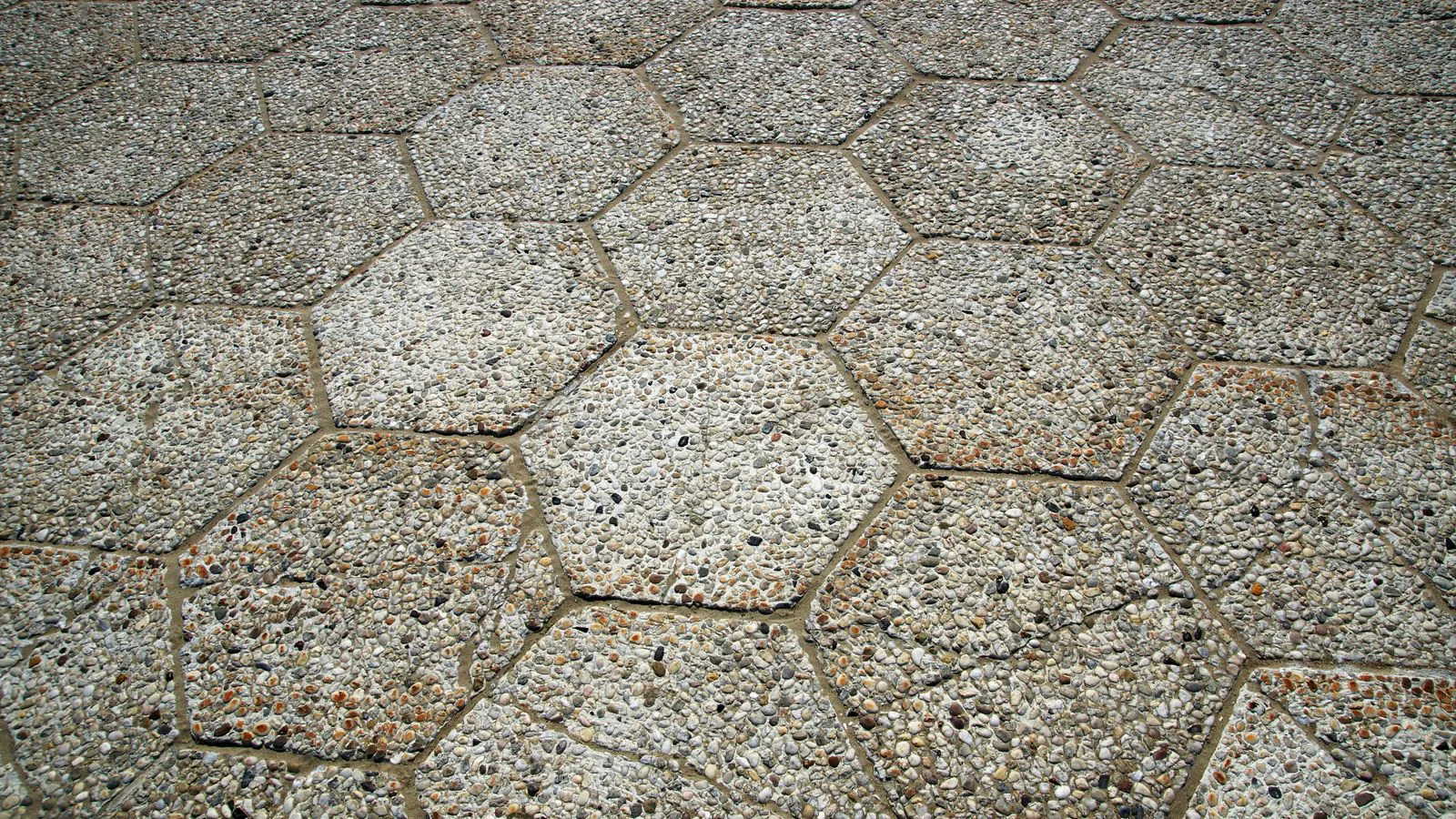
Divide your patio area by one paver's area, then add a waste factor for cuts and breakage — the reliable way to order the right number of pavers.
Measure the area and one paver
First get the area to pave in square feet: length times width, adding rectangles for L-shaped or stepped patios. Then find the coverage of a single paver from its face dimensions. A 12 × 12 inch paver covers exactly 1 sq ft; a 6 × 9 inch brick covers 54 square inches, or 0.375 sq ft.
Keep both figures in the same units before you divide. If the patio is in square feet and the paver in square inches, convert one first — divide square inches by 144 to reach square feet. Mixing units is the most common way people end up hundreds of pavers short or over.
Divide, then add a waste factor
Divide the patio area by the coverage of one paver for the base count. For 200 sq ft of 1 sq ft pavers, that is 200 pavers. This assumes zero waste, which never happens in practice — every edge, corner and pattern change costs you cut pieces you cannot reuse.
Add a waste factor on top. A straight, square patio wastes little, so 5% is enough. Diagonal patterns like herringbone at 45 degrees, plus any curves or circular features, waste more, so use 10% — even up to 15% for complex designs. Waste is cheap insurance: matching a dye lot later is often impossible.
Order by the pallet and plan the base
Pavers are usually sold by the pallet or by the square foot, so convert your final count into whatever the supplier quotes. If a pallet holds 120 pavers and you need 220, order two pallets — 240 — rather than one pallet plus loose stock, which often costs more per piece and delays the job.
Do not forget the base underneath. A patio typically needs a compacted sub-base plus a bedding layer of sand, so budget those materials alongside the pavers. Sizing the sand bed is its own area-by-depth calculation, and getting it right is what stops the surface sinking and rocking later.
Worked with our own calculator
Paver Calculator
Given
- Area (m²)
- 20
- Paver length (cm)
- 20
- Paver width (cm)
- 10
- Waste (%)
- 5
Result
- Pavers needed
- 1,050
These figures are produced by the calculator below, not typed in by hand — they are recomputed whenever the tool changes.
Run it on your own figures →Frequently asked questions
- What waste percentage should I add for pavers?
- Add 5% for straight, square layouts and 10% for diagonal patterns, curves or circles — up to 15% for intricate designs with lots of cuts. The waste covers edge cuts, breakage and future repairs from a matching dye lot.
- How do I count pavers for an L-shaped patio?
- Split the L into two rectangles, work out each area, add them for the total, then divide by one paver's coverage. Splitting into simple rectangles is more accurate than guessing the whole shape and works for any stepped or angled layout.
- Do joint gaps change how many pavers I need?
- Slightly. Tight-jointed concrete pavers are laid almost edge to edge, so the nominal size is close enough. Wide-jointed natural stone with 10 mm gaps covers a touch more area per piece, so you need marginally fewer — but the waste factor easily absorbs the difference.
- Can I return leftover pavers?
- Often yes, if they are full and uncut. Many suppliers take back unopened pallets or whole pavers, so buying a little extra carries low risk. Keep a few spares regardless — a stored paver from the same batch is the only clean way to replace a cracked one later.
Articles you may find interesting
All guides →Related tools
Sources
Spotted a mistake in this article?