How Much Sand Do I Need? Volume and Weight Made Easy
Published 4/20/2026 · 4 min read · Real-estate calculators

Marco Bianchi — Home, DIY & motoring writer at OneKitly
Renovation · Materials
Checked against 2 sources
Multiply the area by the depth of sand to get a volume. For a 200 sq ft patio base at 1 inch: 200 × (1 ÷ 12) = 16.7 cubic feet, about 0.6 cubic yards. Dry sand weighs roughly 1.3 tons per cubic yard, so that is about 0.8 tons. Round up and add about 10% for compaction and spillage.
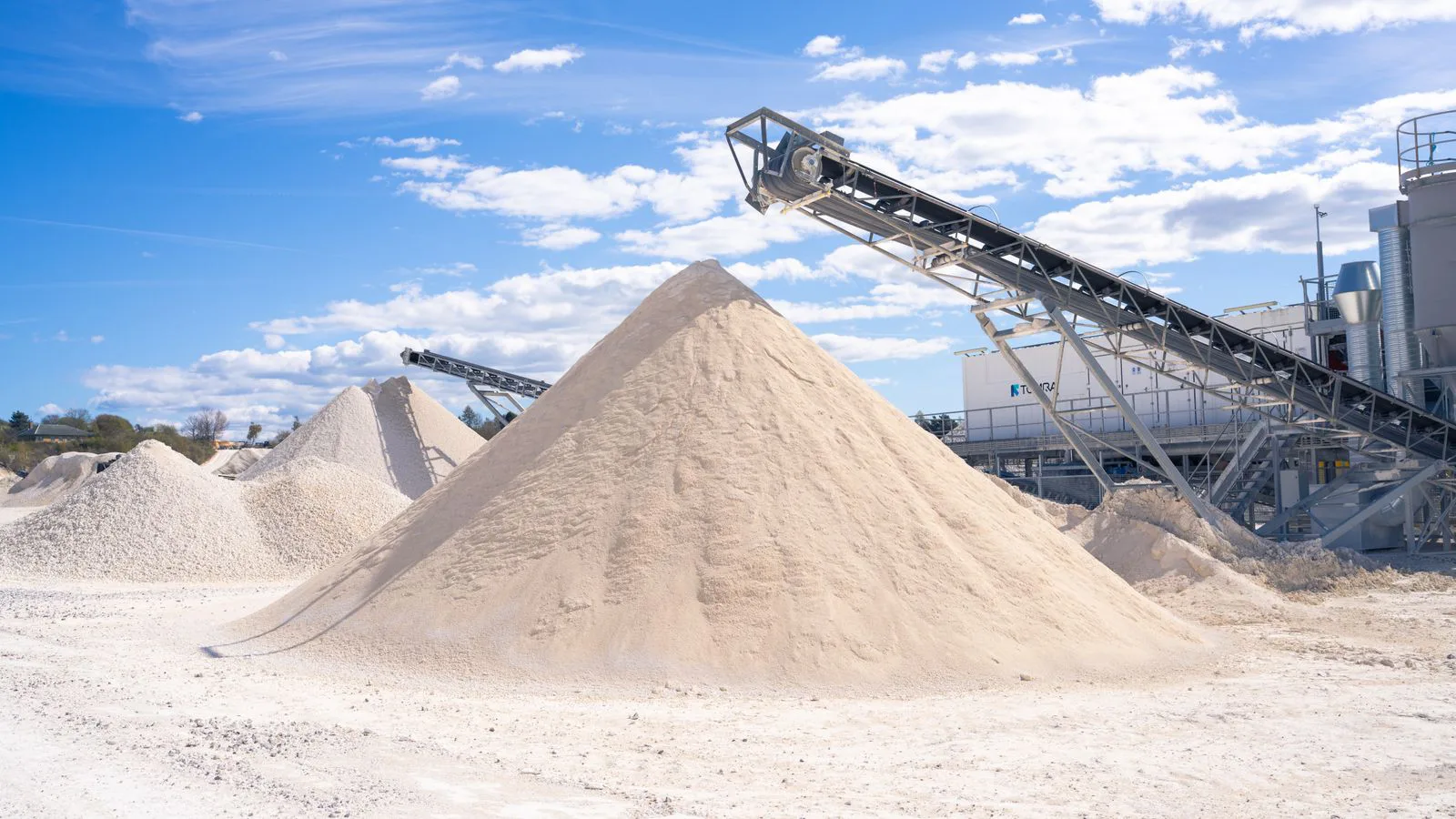
Size a sand order from area and depth: get the volume in cubic yards and the weight in tons for a bedding layer, sandbox or base course.
Pick the right sand and depth
Different jobs use different sands at different depths. A paver bedding layer is typically 1 inch of sharp sand. Filling a child's sandbox might be 6 to 8 inches of soft play sand. A base course under slabs can be several inches of coarse sand. Decide the job first, because the depth drives the volume.
Measure the area the same way you would for any material: length times width in feet, adding rectangles for complex shapes. For a sandbox or planter, use the internal dimensions, not the outside frame, or you will overestimate and pay for sand that has nowhere to go.
Calculate the volume
Volume is area times depth with matched units. Convert inches of depth to feet by dividing by 12, multiply by the area in square feet for cubic feet, then divide by 27 for cubic yards. A 1-inch bedding layer over 200 sq ft is 200 × (1 ÷ 12) ÷ 27 = 0.62 cubic yards — small, but easy to under-order by eye.
For deep fills the volume climbs fast. That same 200 sq ft area at 8 inches for a sandbox is 200 × (8 ÷ 12) ÷ 27 = 4.9 cubic yards — nearly eight times the bedding job. A calculator keeps the inch-to-foot and cubic-foot-to-yard steps straight so a decimal slip does not double your order.
Convert to weight and order
Sand is often sold by the ton in bulk or by the bag in small amounts. Dry sand weighs about 1.3 tons per cubic yard; wet or compacted sand weighs more. Multiply cubic yards by roughly 1.3 for a bulk order, or divide your volume by a bag's stated coverage if you are buying bagged sand.
Add about 10% on top. Sand compacts under its own weight and when you tamp a bedding layer, and some always spills during handling. For a sandbox, kids and weather scatter it over time, so a small surplus saves a return trip. Round up to the nearest bag or the delivery minimum.
Worked with our own calculator
Sand Calculator
Given
- Area (m²)
- 10
- Depth (cm)
- 5
Result
- Volume
- 0.5 m³
- Weight
- 0.8 t
These figures are produced by the calculator below, not typed in by hand — they are recomputed whenever the tool changes.
Run it on your own figures →Frequently asked questions
- How much does a cubic yard of sand weigh?
- Dry sand is about 1.3 tons per cubic yard. Wet sand can reach 1.5 tons or more because water fills the gaps between grains and adds weight. Use the dry figure for a safe estimate and remember that delivered bulk sand is often damp.
- How thick should a sand bedding layer be for pavers?
- Around 1 inch of sharp sand, screeded level over a compacted sub-base. Thicker beds let pavers rut and rock over time. Keep the layer even and do not compact the sand before laying — the pavers are what you compact afterward.
- Should I use play sand or building sand?
- Match the sand to the job. Use fine, washed play sand in a sandbox because it is soft and screened for safety. Use sharp or coarse building sand for paver beds and base courses because it locks together and drains. They are not interchangeable, so decide before you order.
- How many bags of sand equal a cubic yard?
- It depends on bag size, but a 50 lb bag holds roughly 0.5 cubic feet, so about 54 bags make a cubic yard (27 cubic feet). For anything above half a cubic yard, bulk delivery is usually cheaper and far less lifting than stacking dozens of bags.
Articles you may find interesting
All guides →Related tools
Sources
Spotted a mistake in this article?