How Much Sodium Per Day Is Safe?
Published 5/12/2026 · 3 min read · Health calculators

The FDA and Dietary Guidelines for Americans set an upper limit of 2,300 mg of sodium per day — about one teaspoon of table salt. The American Heart Association suggests an ideal target closer to 1,500 mg per day for most adults, especially those with high blood pressure. Most people already eat well above the limit, largely from packaged and restaurant foods rather than the salt shaker.
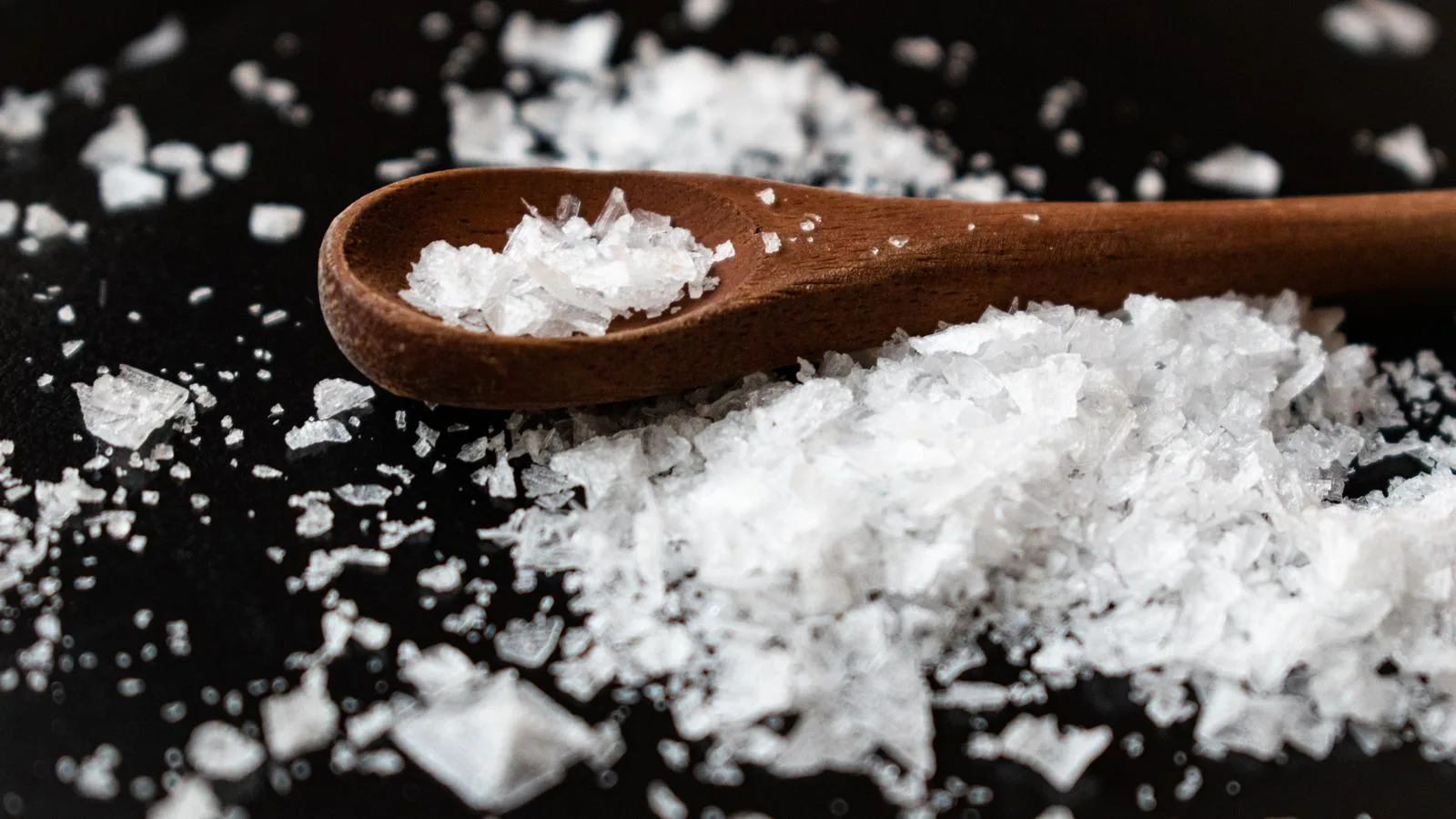
The 2,300 mg FDA limit, the 1,500 mg ideal from the AHA, and why most sodium is hidden in packaged food — plus how to read labels and cut back.
Sodium versus salt
Sodium and salt are not the same thing. Table salt is sodium chloride, and it is about 40% sodium by weight — so one teaspoon of salt (about 6 grams) delivers roughly 2,300 mg of sodium. Nutrition labels list sodium in milligrams, so it helps to think in those terms rather than in teaspoons of salt.
The body needs a small amount of sodium to balance fluids and support nerve and muscle function, but the requirement is low — well under 500 mg a day. The problem in most modern diets is far too much, not too little.
The 2,300 and 1,500 mg targets
The FDA and the Dietary Guidelines for Americans recommend adults stay under 2,300 mg of sodium per day as a firm upper limit. The American Heart Association goes further, suggesting an ideal of about 1,500 mg per day for most adults, because lower sodium is linked to lower blood pressure and reduced risk of heart disease and stroke.
People who are salt-sensitive, have high blood pressure, diabetes or kidney disease, or are older, tend to benefit most from the lower target. A calculator can show how your typical day stacks up against both the 2,300 mg limit and the 1,500 mg ideal so you can see how much room you have.
Where the salt really comes from
Roughly 70% of the sodium most people eat is already in packaged and restaurant foods before it reaches the table. Bread, pizza, cured meats, cheese, canned soups, sauces and savory snacks are major contributors — often not because any single serving is extreme, but because they add up across the day.
Practical cuts add up quickly: choose lower-sodium versions where they exist, rinse canned beans and vegetables, use herbs, citrus and spices instead of extra salt, and check the sodium line on labels when comparing products. Cooking more meals from scratch is one of the most effective ways to bring the total down.
Worked with our own calculator
Sodium intake calculator
Given
- Age (years)
- 30
Result
- Upper limit
- 2,300 mg
- Ideal limit
- 1,500 mg
These figures are produced by the calculator below, not typed in by hand — they are recomputed whenever the tool changes.
Run it on your own figures →Frequently asked questions
- Is sea salt lower in sodium than table salt?
- No. Sea salt, kosher salt and table salt contain roughly the same amount of sodium by weight. Any differences in flavor or crystal size do not change the sodium your body absorbs.
- Can eating too little sodium be harmful?
- For the general population, very low sodium is uncommon because diets are usually high. Extremely low intake can matter for endurance athletes or certain medical conditions, so anyone on a restricted intake should follow professional guidance.
- Does drinking water flush out extra sodium?
- Drinking water helps your kidneys manage sodium balance and is generally good for you, but it does not undo a consistently high-sodium diet. Reducing the sodium you take in is more effective than trying to drink it away.
- How do I read sodium on a nutrition label?
- Look at the sodium line, given in milligrams per serving, and check the serving size — packages often contain more than one serving. As a rough guide, 5% of the daily value or less per serving is low and 20% or more is high.
Articles you may find interesting
All guides →Related tools
For general information only — not medical advice; consult a professional.
Sources
Spotted a mistake in this article?