The Perfect Coffee-to-Water Ratio (the Golden Ratio Explained)
Published 1/6/2026 · 4 min read · Everyday calculators

Marco Bianchi — Home, DIY & motoring writer at OneKitly
Renovation · Materials
Checked against 2 sources
The golden ratio for filter coffee is about 1 gram of ground coffee to 16 grams (16 mL) of water, or roughly 1:16. That works out to around 60 grams of coffee per 1 quart of water — near 15 grams per 8 oz cup. Go toward 1:15 for a stronger brew and 1:17 for a milder one, and always weigh rather than scoop for repeatable results.
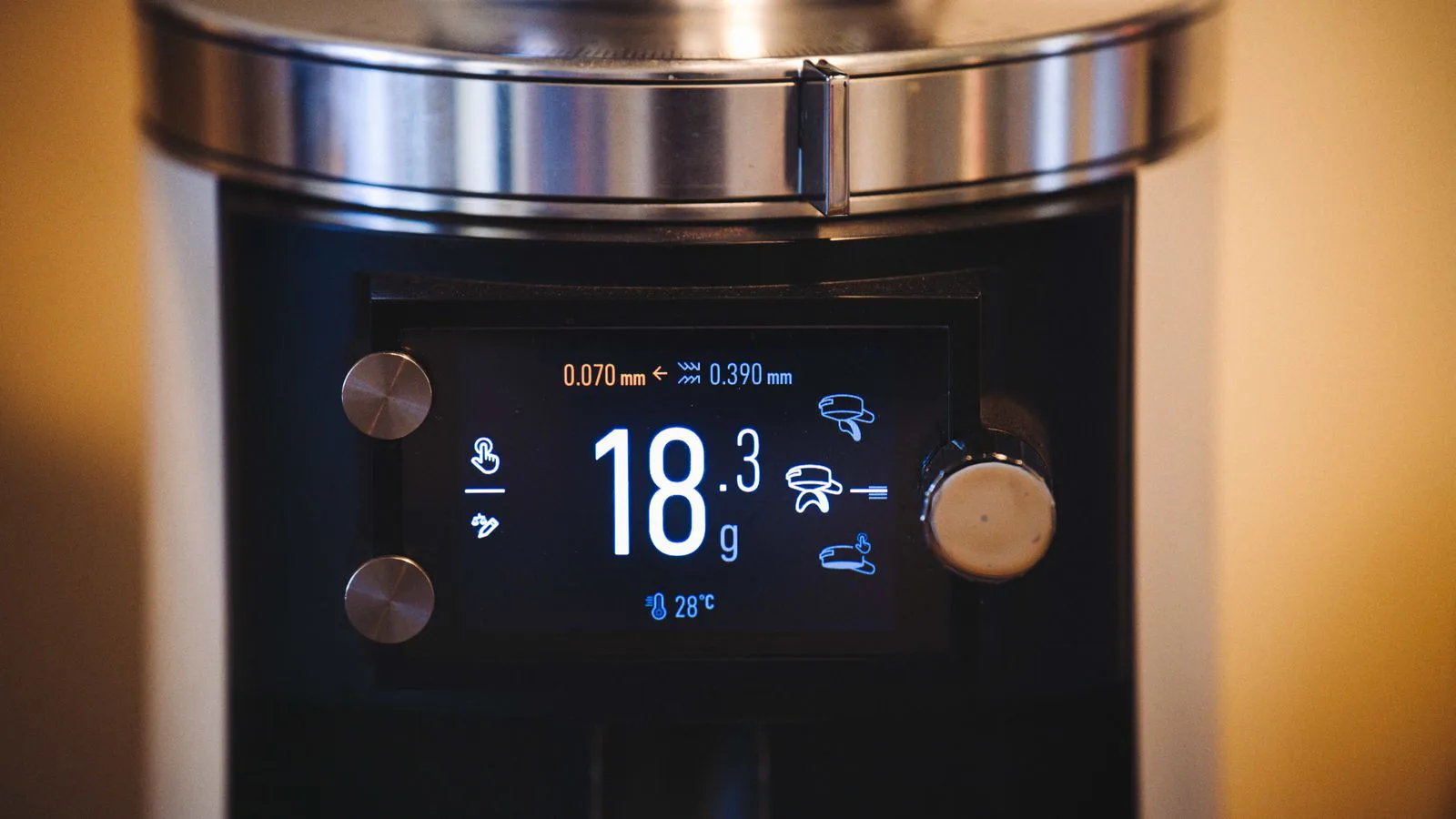
The golden ratio is roughly 1:16 — learn grams of coffee per cup and how to adjust strength to your taste.
What the golden ratio means
A coffee ratio compares the weight of dry grounds to the weight of brew water. Because 1 milliliter of water weighs 1 gram, a 1:16 ratio means 16 mL of water for each gram of coffee. This weight-based approach beats measuring by scoops because bean density, roast level and grind size all change how much a scoop holds — but a gram is always a gram.
The Specialty Coffee Association's guidance sits around this window, and 1:16 is the common starting point most baristas recommend. It is a target, not a law: strength is personal, and the ratio is simply the dial you turn. Fix the ratio first, get it tasting balanced, and only then tweak grind size and water temperature.
Grams per cup and how to scale
For a single 8 oz cup at 1:16, weigh about 15 grams of coffee to roughly 8 oz of water. For a 1-quart batch, that scales to about 60 grams of coffee. To find the coffee for any volume, take the water in grams and divide by your ratio number: 500 mL of water at 1:16 needs 500 ÷ 16, about 31 grams.
The math is easy but tedious across cup counts, which is where a calculator earns its keep: enter cups or milliliters and your preferred ratio and it returns the exact grams. Note that a coffee "cup" on a machine is often 5 oz, smaller than a mug, so check what your carafe markings actually mean before you scale up.
Adjusting strength to your taste
Strength is how concentrated the brew is, and the ratio controls it directly. A tighter 1:15 uses more coffee per unit of water for a bolder, heavier cup; a looser 1:17 or 1:18 makes a lighter, more tea-like brew. Change one variable at a time so you can taste the effect and repeat what works.
If a balanced ratio still tastes bitter, the grind is likely too fine or the water too hot; sour or thin usually means too coarse or too cool. Aim for water around 90 to 96 °C, just off the boil, and match grind to your brewer — coarse for a press, medium for a pour-over.
Worked with our own calculator
Coffee brew ratio calculator
Given
- Coffee (g)
- 36
- Ratio 1 : X
- 32
Result
- Water (g / ml)
- 1,152
- Approx. brewed volume (ml)
- 1,080
These figures are produced by the calculator below, not typed in by hand — they are recomputed whenever the tool changes.
Run it on your own figures →Frequently asked questions
- How many grams of coffee per cup?
- At the 1:16 golden ratio, an 8 oz cup takes about 15 grams of coffee. Divide the water weight by 16 for any size; a smaller 5 oz machine cup takes closer to 9 grams.
- Do I really need a scale?
- A scale gives the most repeatable results because scoop volume varies with bean and grind. If you have none, a level tablespoon of grounds is roughly 5 grams as a rough guide, but weighing is far more reliable.
- Is the ratio different for espresso?
- Yes. Espresso is far more concentrated, typically 1:2 — about 18 grams of coffee for a 36-gram shot. The 1:16 golden ratio applies to filter and drip coffee, not espresso.
- My coffee tastes bitter — is the ratio wrong?
- Bitterness usually points to grind or temperature, not the ratio. Try a coarser grind and water no hotter than 96 °C. Fix the 1:16 ratio first, then adjust grind and temperature to remove bitterness.
Articles you may find interesting
All guides →Related tools
Sources
Spotted a mistake in this article?