What Tire Pressure Should I Use? Placard vs Max Pressure
Published 4/3/2026 · 4 min read · Car calculators

Marco Bianchi — Home, DIY & motoring writer at OneKitly
Renovation · Materials
Checked against 2 sources
Use the pressure on the vehicle placard in the driver's door jamb — typically around 32 to 35 psi for a passenger car — not the higher number moulded into the tire sidewall, which is the maximum the tire can hold, not the recommended figure. Set pressure when the tires are cold, before driving, because rolling heats the air and raises the reading. Pressure changes by roughly 1 psi for every 10°F change in temperature, so check it again when the seasons turn.
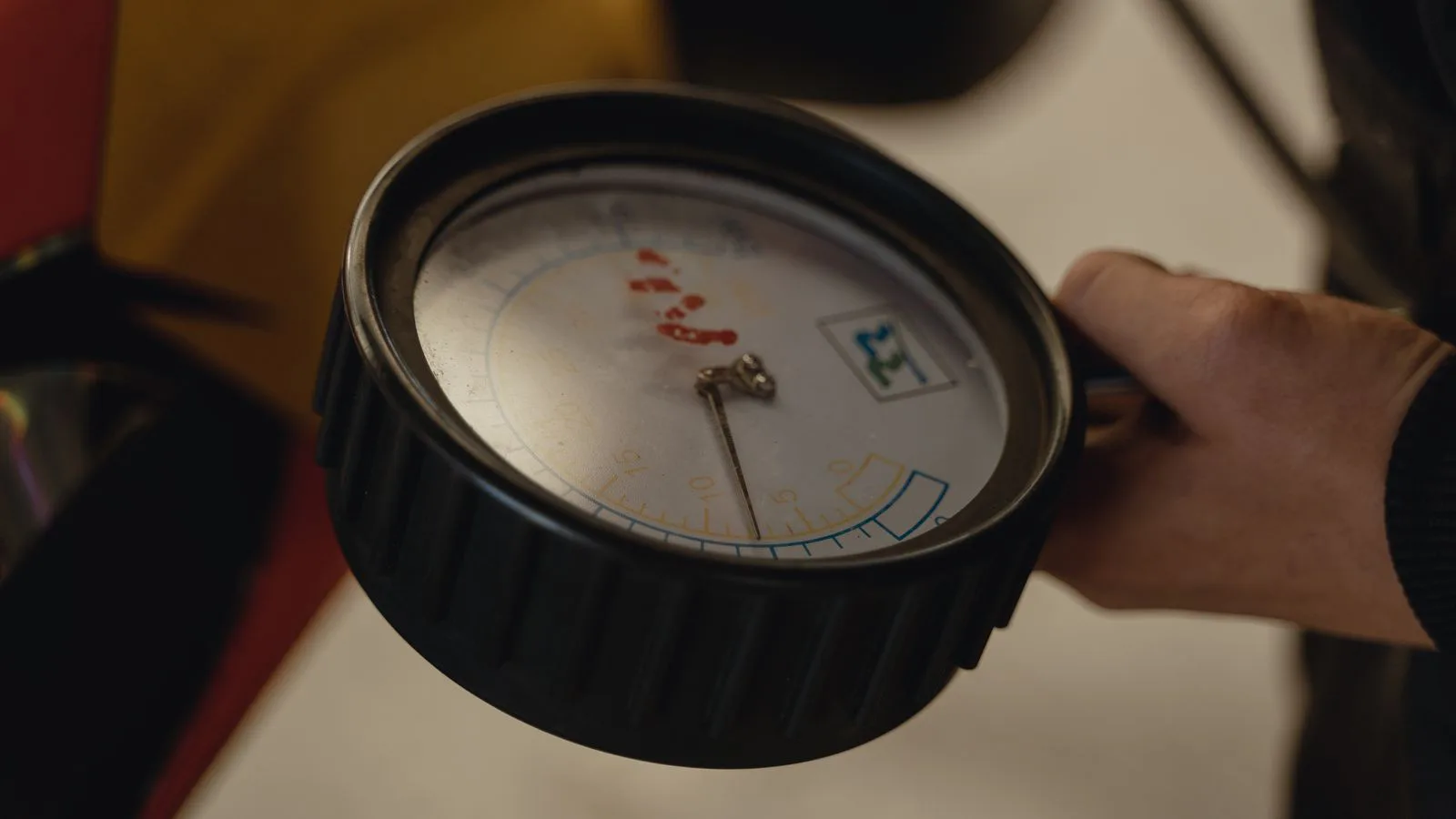
Use the vehicle placard pressure, not the number on the tire. Learn why the sidewall figure is a maximum, why pressure is set cold, and how temperature moves it.
The placard, not the sidewall
The single most common mistake is inflating to the number stamped on the tire. That figure — often 44 psi or more — is the maximum pressure the tire is built to hold, not the pressure it should run at. The right number comes from the vehicle manufacturer, printed on a placard in the driver's door jamb and repeated in the owner's manual, usually somewhere around 32 to 35 psi.
The placard pressure balances grip, ride comfort, tread wear and fuel economy for that specific car and its recommended tire sizes. Running at the tire's maximum instead makes the ride harsh, wears the centre of the tread faster and reduces the contact patch. The placard often lists a higher figure for the rear when the car is fully loaded — worth using before a long trip with luggage.
Why cold matters
Manufacturers specify cold pressure: the reading before the car has been driven, or after it has sat at least three hours. As you drive, friction heats the tire and the air inside expands, pushing the pressure up by a few psi. If you top up to the placard figure on a hot tire, you will be underinflated once it cools — check first thing in the morning for the truest reading.
The gas station right after a highway run is the worst place to set pressure precisely, though it is fine for a rough top-up. If you must inflate warm tires, add about 2 to 3 psi above the cold target to account for the heat, then verify cold the next morning. A digital gauge beats the built-in dial on most air pumps.
Temperature and the seasons
Air pressure follows temperature: as a rule of thumb, tire pressure moves about 1 psi for every 10°F change. A tire set correctly in warm autumn weather can be several psi low by mid-winter, which is why the low-pressure warning light so often appears on the first cold morning. It is not always a leak — sometimes it is just the cold.
The practical takeaway is to check pressure monthly and whenever the weather shifts sharply, not just before a road trip. Underinflation is the more dangerous direction: it builds heat, hurts fuel economy and shortens tire life. A quick monthly check with a decent gauge is the cheapest maintenance you can do.
Worked with our own calculator
Tire Pressure Temperature Guide
Given
- Current pressure (bar)
- 2.3
- Temperature when set (°C)
- 20
- New temperature (°C)
- 0
Result
- Adjusted pressure
- 2.143 bar
These figures are produced by the calculator below, not typed in by hand — they are recomputed whenever the tool changes.
Run it on your own figures →Frequently asked questions
- Is the pressure on the tire wrong then?
- It is not wrong, it is a maximum. The sidewall states the highest pressure the tire is rated to hold safely, not the pressure your car should run. Always use the lower placard figure unless a tire shop advises otherwise for a specific load.
- How often should I check tire pressure?
- About once a month and before any long trip, plus after a big temperature swing. Tires lose a little air naturally over time even without a puncture, so monthly checks catch slow leaks early.
- Does higher pressure save fuel?
- Slightly, because a firmer tire has less rolling resistance, but overinflating past the placard trades that small saving for worse grip, a harsher ride and uneven wear. The placard pressure already balances economy against safety — stay with it.
- What about the spare tire?
- Check it too. Full-size spares use the same placard pressure, but compact space-saver spares usually need a much higher figure, often around 60 psi, printed on the spare itself. A flat spare is useless in an emergency, so include it in your monthly check.
Articles you may find interesting
All guides →Related tools
Sources
Spotted a mistake in this article?