How Much Electricity Do Appliances Use? Watts, kWh and Cost
Published 3/6/2026 · 3 min read · Real-estate calculators

Marco Bianchi — Home, DIY & motoring writer at OneKitly
Renovation · Materials
Checked against 2 sources
Appliances are rated in watts, the rate they draw power. Energy is watts times time: run a 1,000-watt device for one hour and it uses one kilowatt-hour (kWh), the unit on your bill. A fridge might use around 1–2 kWh a day, a clothes dryer 2–4 kWh per load, and an LED bulb well under 0.1 kWh in an evening.
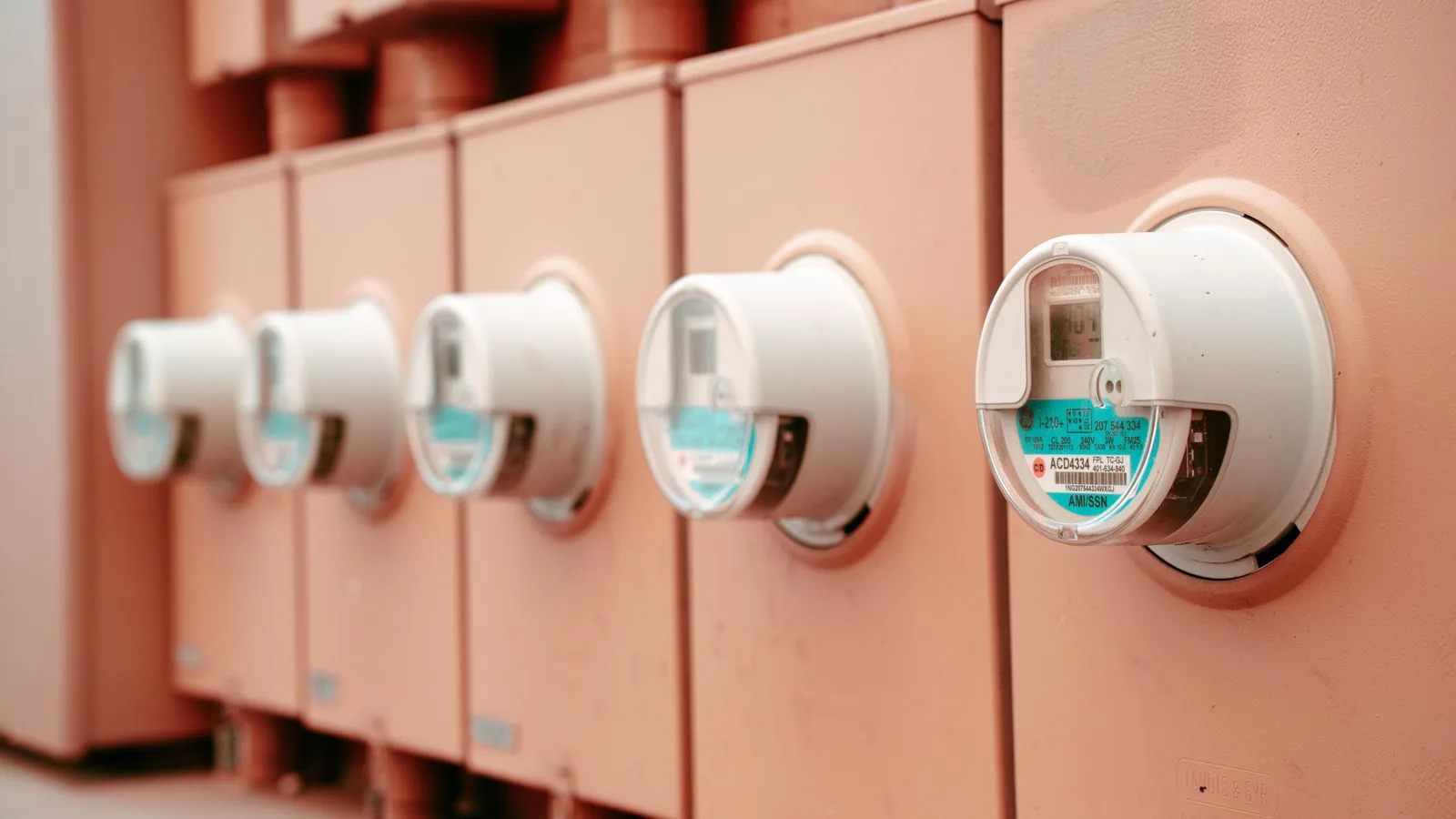
How watts turn into kilowatt-hours, what typical appliances draw, and how to translate that consumption into a cost on your bill.
Watts measure rate, kWh measure total
Watts and kilowatt-hours are often confused, but they answer different questions. Watts tell you how fast a device draws power right now; kilowatt-hours tell you how much energy it has used over a stretch of time. Energy equals power multiplied by how long it runs.
The conversion is simple: a device's watts divided by 1,000 gives kilowatts, and kilowatts multiplied by hours gives kilowatt-hours. A 100-watt device left on for ten hours uses 1 kWh, exactly the same as a 1,000-watt device run for one hour.
What common appliances draw
Appliances split roughly into two groups. Heating and motor loads draw a lot: an electric oven or clothes dryer sits around 2,000–3,000 watts, a kettle near 1,500, and a space heater around 1,500. Electronics draw little: a laptop is tens of watts, an LED bulb under 10.
But the wattage alone can mislead. A fridge is modest at around 100–200 watts, yet because it runs all day every day it can be one of the larger single-appliance energy users in a home. Always weigh the draw against how many hours the device really runs.
From kWh to the number on your bill
Your utility bills you per kilowatt-hour, so once you know an appliance's kWh you can price it. Multiply the kWh by your rate — around $0.17 per kWh is a reasonable US placeholder — to get a cost. That turns an abstract watt rating into money you can act on.
This is where the calculator helps: enter an appliance's wattage and daily hours and it returns the energy in kWh per day, month and year, and applies your price so you can rank devices by what they actually cost you rather than by their headline wattage.
Worked with our own calculator
Electricity consumption calculator
Given
- Power (watts)
- 1,000
- Hours per day
- 2
- Number of days
- 15
Result
- Consumption (kWh)
- 30
These figures are produced by the calculator below, not typed in by hand — they are recomputed whenever the tool changes.
Run it on your own figures →Frequently asked questions
- What is a kilowatt-hour?
- It is the energy used by a 1,000-watt device running for one hour. It is the unit your electricity supplier bills you in.
- Which appliance uses the most electricity?
- Usually heating loads — electric heat, water heating, ovens and dryers — plus the fridge, which is modest per hour but runs constantly all year.
- How do I convert watts to kWh?
- Divide the watts by 1,000 to get kilowatts, then multiply by the hours of use. A 500-watt device run for two hours uses 1 kWh.
- Does standby power really matter?
- For one device, barely. Across a whole house of gadgets left on standby around the clock, it can quietly add up to a noticeable share of the yearly bill.
Articles you may find interesting
All guides →Related tools
Sources
Spotted a mistake in this article?