How to Estimate Your Electricity Bill
Published 7/30/2025 · 3 min read · Everyday calculators

Marco Bianchi — Home, DIY & motoring writer at OneKitly
Renovation · Materials
Checked against 2 sources
Your electricity bill is roughly the energy you use times the price per unit, plus a fixed standing charge. Energy is measured in kilowatt-hours (kWh): a 2,000-watt heater running 3 hours uses 2 × 3 = 6 kWh. At $0.17 per kWh that's $1.02. Add up each appliance's kWh over the month, times the rate, plus the daily standing charge, for your bill.
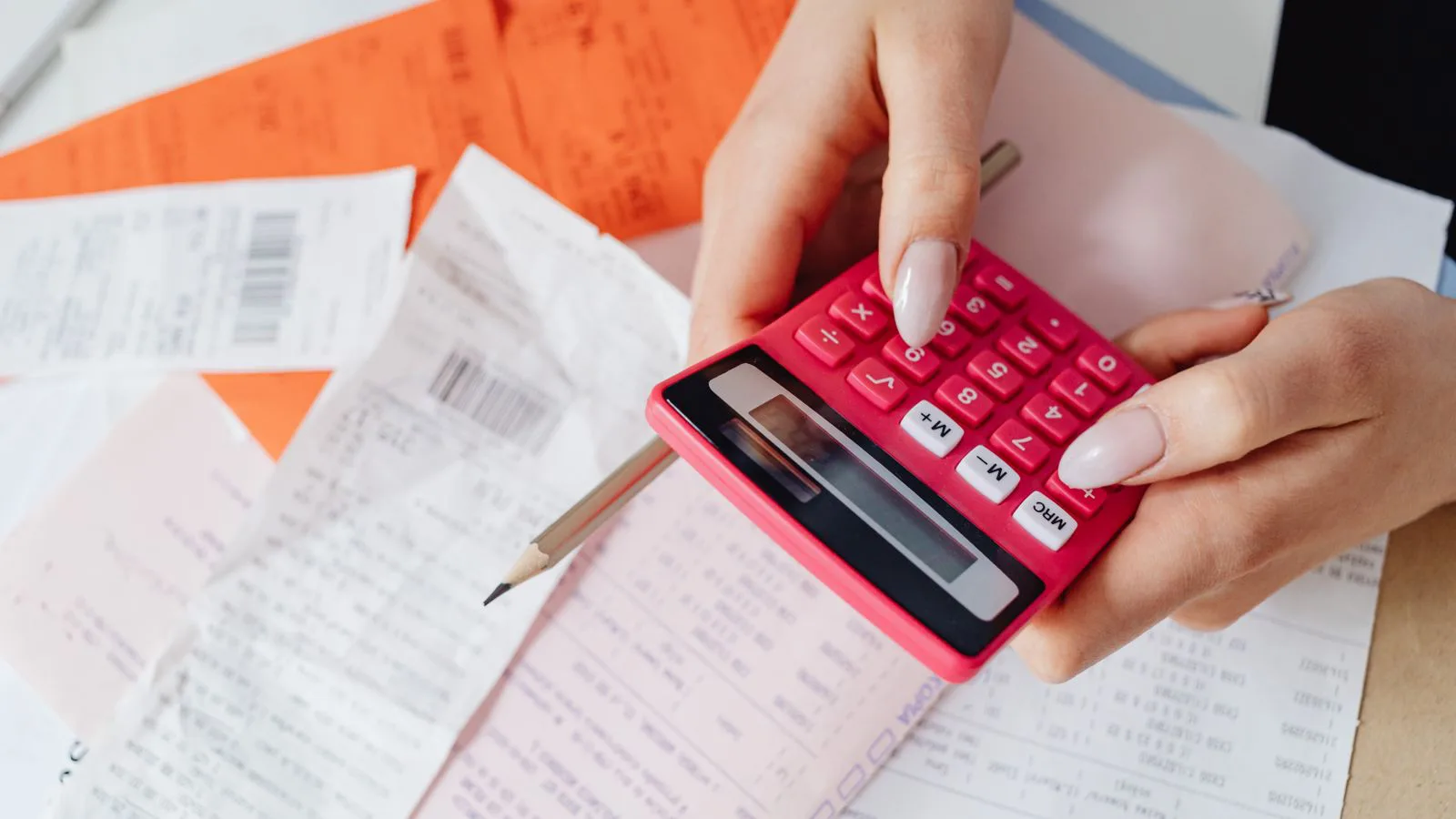
Your bill is energy used times the price, plus a standing charge. Here's how to work out kWh, what the standing charge is, what uses the most, and how to cut it.
The basic sum
An electricity bill has two parts: a charge for the energy you actually used, and a fixed daily fee just for being connected. The variable part is the number of kilowatt-hours you consumed times the price per kilowatt-hour. The fixed part, the standing charge, is added per day regardless of use. So the whole bill is: kWh used × unit price, plus standing charge × days. Everything else is just working out that kWh figure.
Watts, kWh and where they hide
The unit on your bill is the kilowatt-hour: one kilowatt (1,000 watts) running for one hour. To find an appliance's kWh, take its power rating in watts — usually on a label or in the manual — divide by 1,000 for kilowatts, and multiply by the hours it runs. A 2,000 W heater on for 3 hours is 2 kW × 3 h = 6 kWh. The big consumers are anything that makes heat or cold: electric heating, hot water, the oven, the kettle, the tumble dryer and air conditioning dwarf the small electronics you might worry about.
The standing charge
Even if you used no electricity at all, most tariffs still charge a fixed daily fee — the standing charge — to cover the cost of maintaining the grid connection and meter. It's typically a small amount per day, but it adds up over a billing period and is the reason a very low-usage bill is never quite zero. When comparing tariffs, look at both numbers: a low unit price with a high standing charge can cost more than the reverse if you don't use much.
How to cut it
Since the bill is driven by the biggest loads, that's where to focus. Heating and cooling, hot water and the oven are the levers that matter — turning the thermostat down a degree or shortening showers does more than unplugging chargers. Beyond usage, a cheaper tariff or an off-peak rate for things like laundry and dishwashing can lower the price per kWh. Efficient appliances and cutting standby power help at the margin. Work top-down, from the heaviest users, and the savings follow.
Worked with our own calculator
Electricity bill calculator
Given
- Consumption (kWh)
- 90
- Price per kWh
- $0.11
Result
- Estimated bill
- $9.90
These figures are produced by the calculator below, not typed in by hand — they are recomputed whenever the tool changes.
Run it on your own figures →Frequently asked questions
- How do I estimate my electricity bill?
- Multiply the kWh you use by the price per kWh, then add the standing charge.
- What is a kWh?
- A unit of energy: 1,000 watts running for one hour.
- What uses the most electricity at home?
- Usually heating, hot water, the oven and air conditioning.
Articles you may find interesting
All guides →Related tools
Sources
Spotted a mistake in this article?