How to Calculate Cycling Power Zones From Your FTP
Published 5/7/2026 · 4 min read · Sport calculators

To calculate cycling power zones, take your functional threshold power (FTP) and apply Andrew Coggan's percentages. Zone 1 active recovery is under 55% of FTP, Zone 2 endurance is 56–75%, Zone 3 tempo 76–90%, Zone 4 threshold 91–105%, Zone 5 VO2max 106–120%, Zone 6 anaerobic 121–150%, and Zone 7 neuromuscular is anything above 150%. For an FTP of 250 watts, endurance runs from about 140 to 188 watts and threshold from 228 to 263 watts. The zones are anchored to your FTP, so re-testing shifts every boundary.
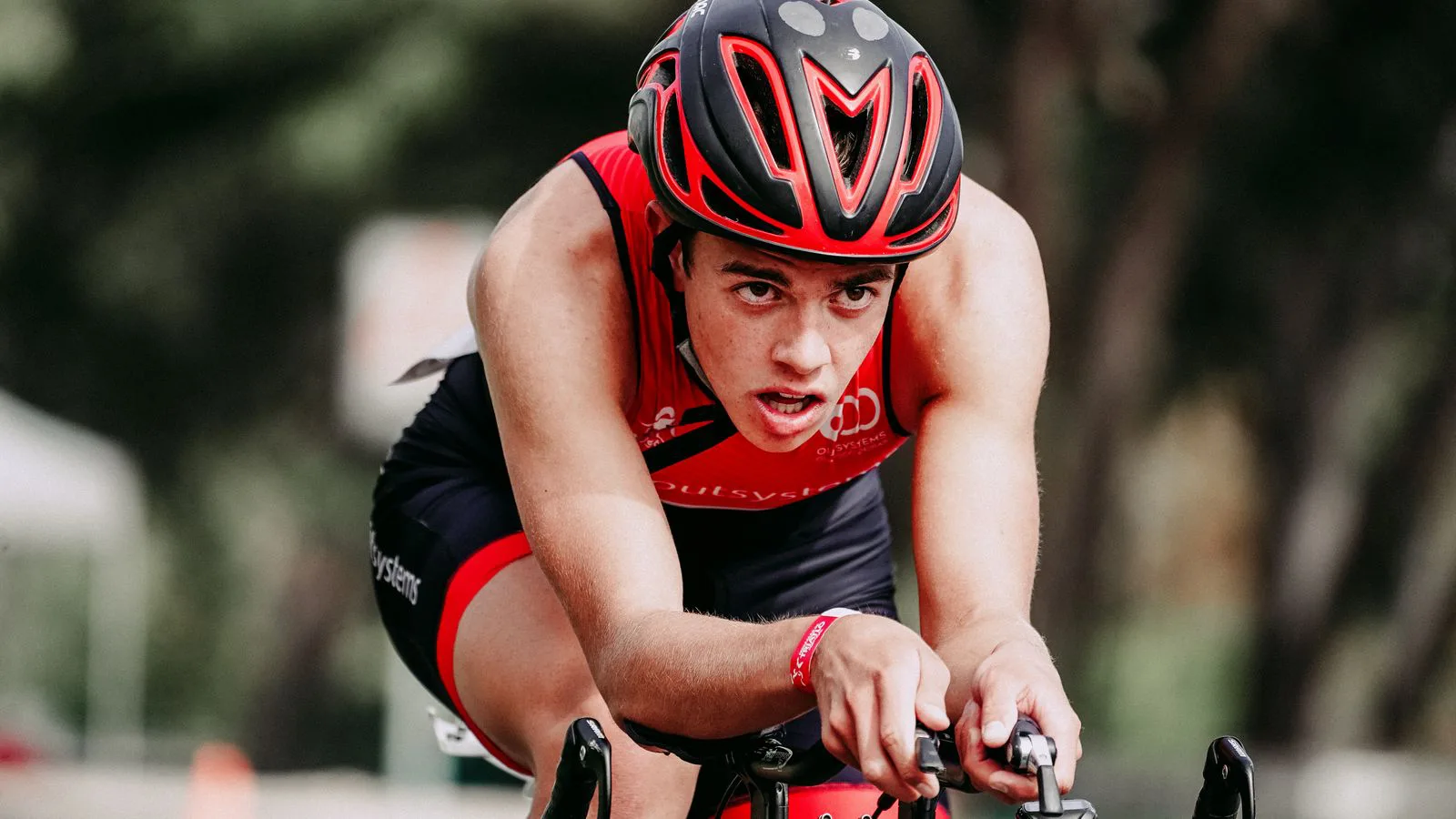
Turn your FTP into the seven Coggan training zones, each a percentage of threshold power, to guide every ride.
The seven Coggan zones and what they train
Andrew Coggan's model splits effort into seven zones defined as percentages of FTP. Zone 1 (under 55%) is active recovery, Zone 2 (56–75%) builds aerobic endurance and fat metabolism, and Zone 3 (76–90%) is tempo, a firm but controllable pace. These lower zones carry most of your weekly training volume in a well-balanced plan.
The upper zones are where hard adaptation happens. Zone 4 (91–105%) is threshold, right around FTP; Zone 5 (106–120%) drives VO2max; Zone 6 (121–150%) is anaerobic capacity; and Zone 7 (above 150%) is neuromuscular sprint power, so brief that FTP percentages barely describe it. You spend far less time here, but the stimulus is intense.
Working an example from a 250-watt FTP
Say your FTP is 250 watts. Multiply by each zone's percentage band to get the wattage. Zone 2 endurance is 56–75%, so 140 to 188 watts. Zone 4 threshold is 91–105%, so 228 to 263 watts. Zone 5 for VO2max intervals starts at 106%, about 265 watts and up. The calculator prints every band at once so you can set target ranges on your head unit.
Notice how narrow the threshold band is compared to endurance — just a few dozen watts. That is why holding Zone 4 accurately takes a power meter and practice; by feel, riders drift above or below it easily. The wider low zones are more forgiving, which is part of why easy days should genuinely stay easy.
Keep your FTP current
Because every zone is a percentage of FTP, a stale FTP corrupts all seven bands. If you have gained fitness but kept an old number, your zones sit too low and your hard sessions feel too easy. Retest roughly every six to eight weeks, or whenever training feels consistently off, and recalculate the zones.
Zones also assume you tested honestly. An FTP set from a half-hearted effort inflates nothing but frustration later. Pair accurate zones with a rough weekly mix — plenty of Zone 2, targeted threshold and VO2max work, and true recovery — and the numbers turn into a training plan you can actually follow.
Worked with our own calculator
Cycling Power Zones Calculator
Given
- FTP (watts)
- 125
Result
- Zone 1 max — Active recovery (W)
- 69 W
- Zone 2 max — Endurance (W)
- 94 W
- Zone 3 max — Tempo (W)
- 113 W
- Zone 4 max — Threshold (W)
- 131 W
- Zone 5 max — VO2max (W)
- 150 W
These figures are produced by the calculator below, not typed in by hand — they are recomputed whenever the tool changes.
Run it on your own figures →Frequently asked questions
- What is FTP?
- Functional threshold power is the highest average power you can sustain for about an hour, in watts. It marks the edge between mostly aerobic and increasingly unsustainable effort, and it anchors all seven Coggan power zones.
- How do I test my FTP?
- The common field test is an all-out 20-minute effort; your FTP is about 95% of that average power. A ramp test, which raises power in steps until you fail, is a shorter alternative that many trainer apps automate.
- Should I train by power zones or heart rate?
- Power reacts instantly and is not swayed by heat, fatigue or caffeine, so it is more precise for intervals. Heart rate lags but reflects internal strain. Many riders use power to set the effort and heart rate to monitor how the body responds.
- Do I need a power meter to use zones?
- To ride precisely to power zones, yes — you need a power meter or a smart trainer. Without one you can approximate the zones using heart rate or perceived effort, but the narrow threshold band in particular is hard to hold accurately by feel alone.
Articles you may find interesting
All guides →Related tools
Sources
Spotted a mistake in this article?