What Affects an Electric Car's Range?
Published 1/6/2026 · 2 min read · Car calculators

Marco Bianchi — Home, DIY & motoring writer at OneKitly
Renovation · Materials
Checked against 2 sources
An EV's range is its usable battery capacity (in kWh) divided by its energy use (in kWh per mile). Real range drops below the official rating mainly from high speeds, cold weather (which can cut range 20-40%), heavy loads, hills, and running the heater or A/C. A 60 kWh car using 0.28 kWh/mile covers about 215 miles in ideal conditions, but noticeably less on a cold highway.
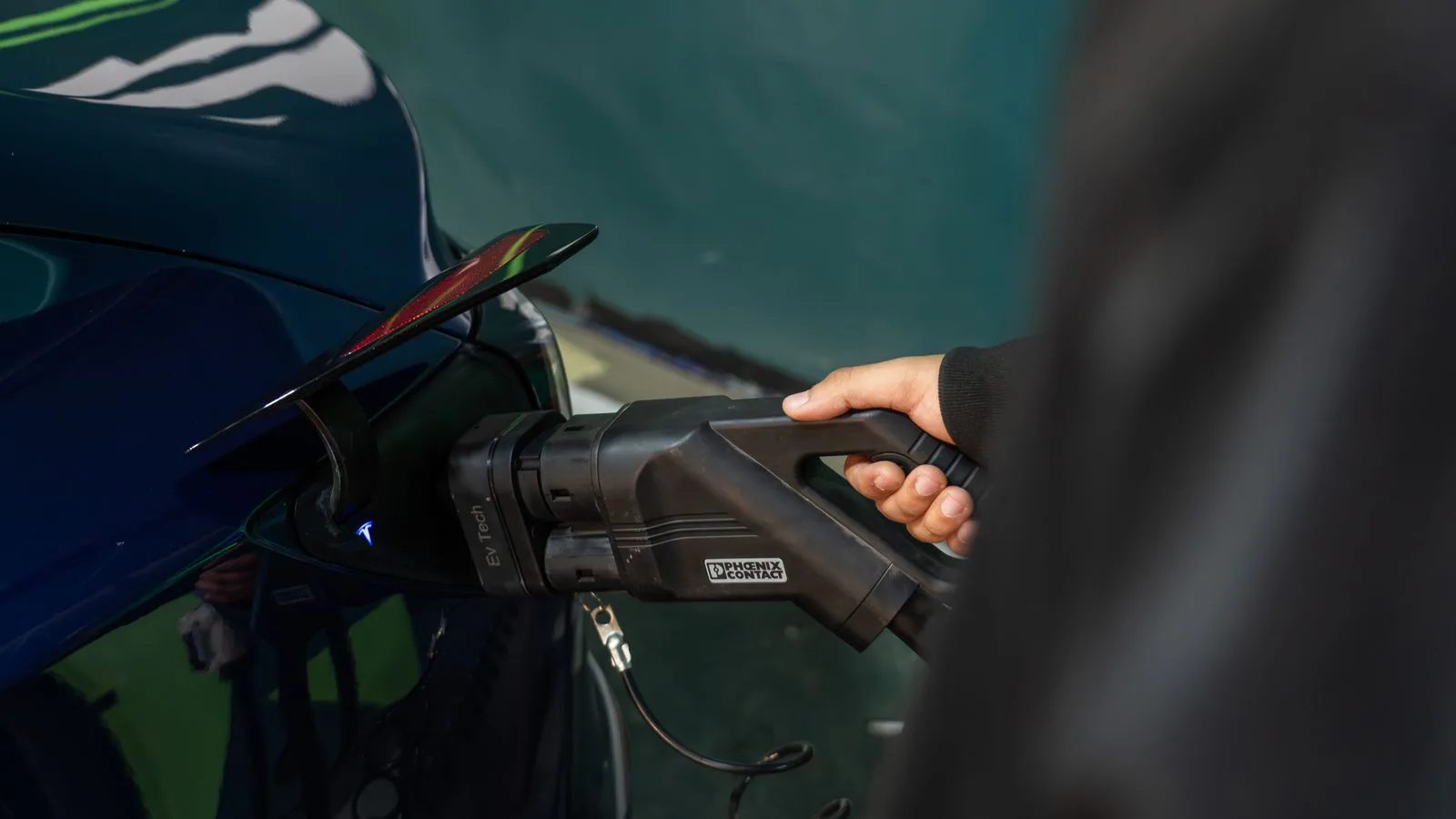
Battery size, efficiency, speed, cold weather and terrain all move an EV's real range far from the sticker figure. Here's how each factor works.
Battery size and efficiency set the baseline
Range starts from two numbers: usable battery capacity in kilowatt-hours (kWh) and efficiency in energy per distance. Divide one by the other and you get distance. A larger battery carries more energy, while a lighter, more aerodynamic car uses less per mile — so a small efficient EV can out-range a big thirsty one with the same battery.
Speed, cold and terrain are the big thieves
Aerodynamic drag rises with the square of speed, so cruising at 75 mph can use far more energy than 55 mph. Cold weather hurts twice: the battery chemistry delivers less, and cabin heating draws from the same pack — winter range often falls 20-40%. Climbing hills spends energy fast, though regenerative braking claws some back on the way down.
How to get closer to the rated range
Ease off the top speed, keep tires properly inflated, precondition the cabin while still plugged in, and use seat heating rather than blasting the cabin heater. Planning charging stops around the real winter range — not the summer sticker figure — turns range anxiety into a simple arithmetic problem.
Worked with our own calculator
EV range calculator
Given
- Battery capacity (kWh)
- 60
- Consumption (kWh/100 km)
- 18
Result
- Range (km)
- 333.333
These figures are produced by the calculator below, not typed in by hand — they are recomputed whenever the tool changes.
Run it on your own figures →Frequently asked questions
- Why is my real range lower than the official figure?
- Official ratings (EPA, WLTP) are measured in mild, steady conditions. Highway speeds, cold, heating, wind and cargo all raise consumption, so everyday range is typically 10-30% below the label, and more in deep winter.
- Does fast charging reduce range over time?
- Frequent DC fast charging adds some long-term battery wear, but modern packs manage it well. Occasional fast charging is fine; for daily use, slower AC charging to 80% is gentler and preserves capacity.
- How much range does cold weather really cost?
- In freezing conditions with the heater on, many EVs lose 20-40% of range. Preconditioning while plugged in and using heated seats instead of cabin heat recovers a good share of it.
- Should I charge to 100% for maximum range?
- Charge to 100% only before a long trip. For daily driving, keeping the battery between about 20% and 80% reduces wear and still covers most needs; top up fully just when you actually need the extra miles.
Articles you may find interesting
All guides →Related tools
Sources
Spotted a mistake in this article?