What Size Water Heater Do I Need?
Published 5/6/2026 · 5 min read · Real-estate calculators

Marco Bianchi — Home, DIY & motoring writer at OneKitly
Renovation · Materials
Checked against 2 sources
Size a storage water heater by peak-hour hot-water demand, not just the number of people. As a rule of thumb, one or two people are well served by a 40-gallon (about 150-litre) tank, three or four people by 50–60 gallons (190–230 litres), and five or more by 66–80 gallons (250–300 litres). The key figure is the first-hour rating: the gallons of hot water the unit can deliver in one busy hour. Add up the hot water used during your busiest hour and choose a tank whose first-hour rating meets or beats it.
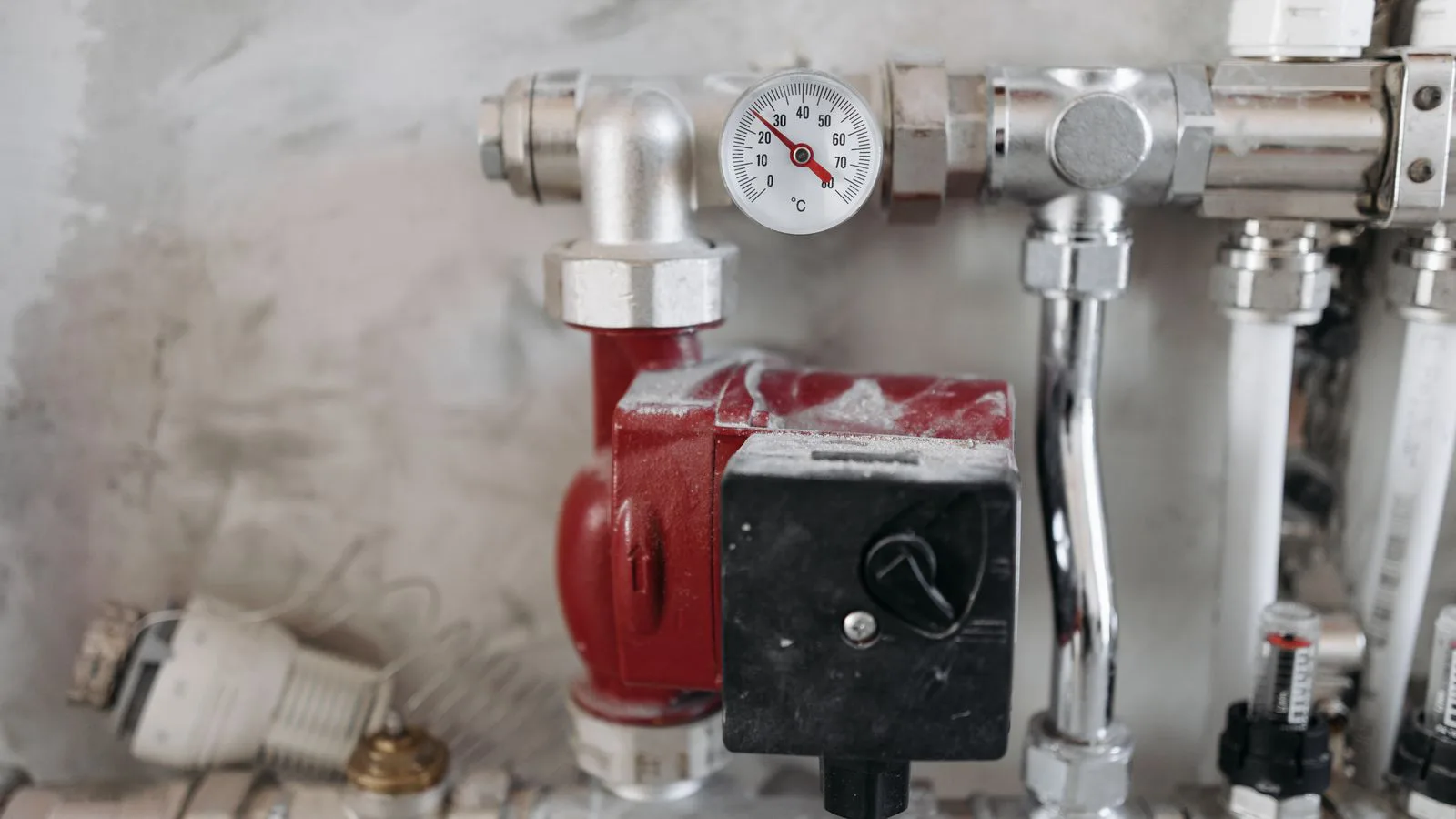
Match tank size to household size and peak-hour demand: roughly 40–50 gallons for two people, more as bathrooms and simultaneous use grow.
Household size is a starting point, not the answer
It is tempting to pick a water heater purely from the number of people in the house, and the usual chart — 40 gallons for one or two, 50–60 for three or four, 66–80 for five or more — is a fine first guess. But two homes with the same headcount can behave very differently. A family that showers back-to-back before school and work draws a far sharper peak than a couple who bathe at opposite ends of the day. The tank does not care how many people you have; it cares how much hot water leaves it in the busiest sixty minutes.
That is why the first-hour rating matters more than raw volume. A 50-gallon tank with a fast burner can out-deliver a lazy 66-gallon one over a busy hour, because it reheats incoming cold water while you are still drawing. When you compare units, read the first-hour rating on the label alongside the tank size, and treat the two together as the real measure of capacity.
Storage versus tankless, and why oversizing costs money
A storage heater keeps a full tank hot around the clock, so an oversized one quietly loses heat through its walls every hour of the year — standby loss you pay for even on days nobody bathes. A tankless (on-demand) unit heats water only as it flows, so it is sized by flow rate in gallons or litres per minute rather than by tank volume, and it never runs out on a long shower. The trade-off is that a tankless unit has a ceiling on simultaneous flow: two showers plus a dishwasher can outpace a small one.
The practical lesson is to size for your real peak, then stop. Going one size up for comfort is reasonable; going three sizes up wastes purchase cost, floor space, and standby energy for a reserve you never touch. Run your numbers through the calculator, look at the first-hour rating or flow rate it suggests, and pick the smallest unit that clears your busiest hour with a little headroom.
Fuel, recovery, and the standing-loss detail
Fuel type changes the sizing maths. A gas burner reheats a tank far faster than a typical electric element, so a gas 40-gallon can behave like a larger electric one over a busy hour. Heat-pump water heaters are efficient but recover slowly, which nudges you toward a slightly larger tank to bridge the peak. Whatever the fuel, check the recovery rate — gallons or litres per hour the unit can reheat — because it decides whether the tank refills before the next demand arrives.
Finally, insulation and placement move the needle on running cost. A well-insulated tank in a warm interior space loses less standby heat than a bare one in a cold garage, so wrapping the tank and the first metre of hot pipe pays back quickly. Sizing right is the big lever, but these small details decide how much of your chosen tank's heat actually reaches the tap.
Frequently asked questions
- What size water heater for a family of four?
- A family of four is usually well served by a 50–60 gallon (190–230 litre) storage tank, or a tankless unit rated for at least 2 showers of simultaneous flow. If mornings are busy with back-to-back showers, lean toward the upper end or a faster-recovery model.
- Is a tankless water heater better than a tank?
- Neither is universally better. Tankless units never run out and avoid standby loss, but cost more upfront and cap simultaneous flow. Storage tanks handle several taps at once cheaply, but lose heat around the clock. Choose by your peak-hour pattern: steady, spread-out use favours tankless; sharp, simultaneous peaks favour a well-sized tank.
- What is a first-hour rating?
- The first-hour rating is the gallons or litres of hot water a storage heater can deliver in one hour, starting with a full tank. It combines tank volume with recovery speed, so it reflects real capacity during a busy morning better than tank size alone. Match it to your peak-hour demand when comparing units.
- Can a water heater be too big?
- Yes. An oversized storage tank keeps more water hot than you use, so it wastes purchase cost, floor space, and standby energy every hour. Size for your real peak-hour demand plus a small margin; going one step up for comfort is fine, but two or three sizes over just burns money for a reserve you never draw.
Articles you may find interesting
All guides →Related tools
Sources
Spotted a mistake in this article?