How Many Deck Boards Do I Need? Coverage and Gaps
Published 1/27/2026 · 3 min read · Real-estate calculators

Marco Bianchi — Home, DIY & motoring writer at OneKitly
Renovation · Materials
Checked against 2 sources
Take the deck area (length × width) and divide by the area one board covers, including the gap. A 5 1/2-inch board with a 1/4-inch gap covers about 5 3/4 inches of width; over a 12-foot board that is roughly 5.75 square feet. A 240-square-foot deck then needs about 240 ÷ 5.75 ≈ 42 boards, plus 10% for waste.
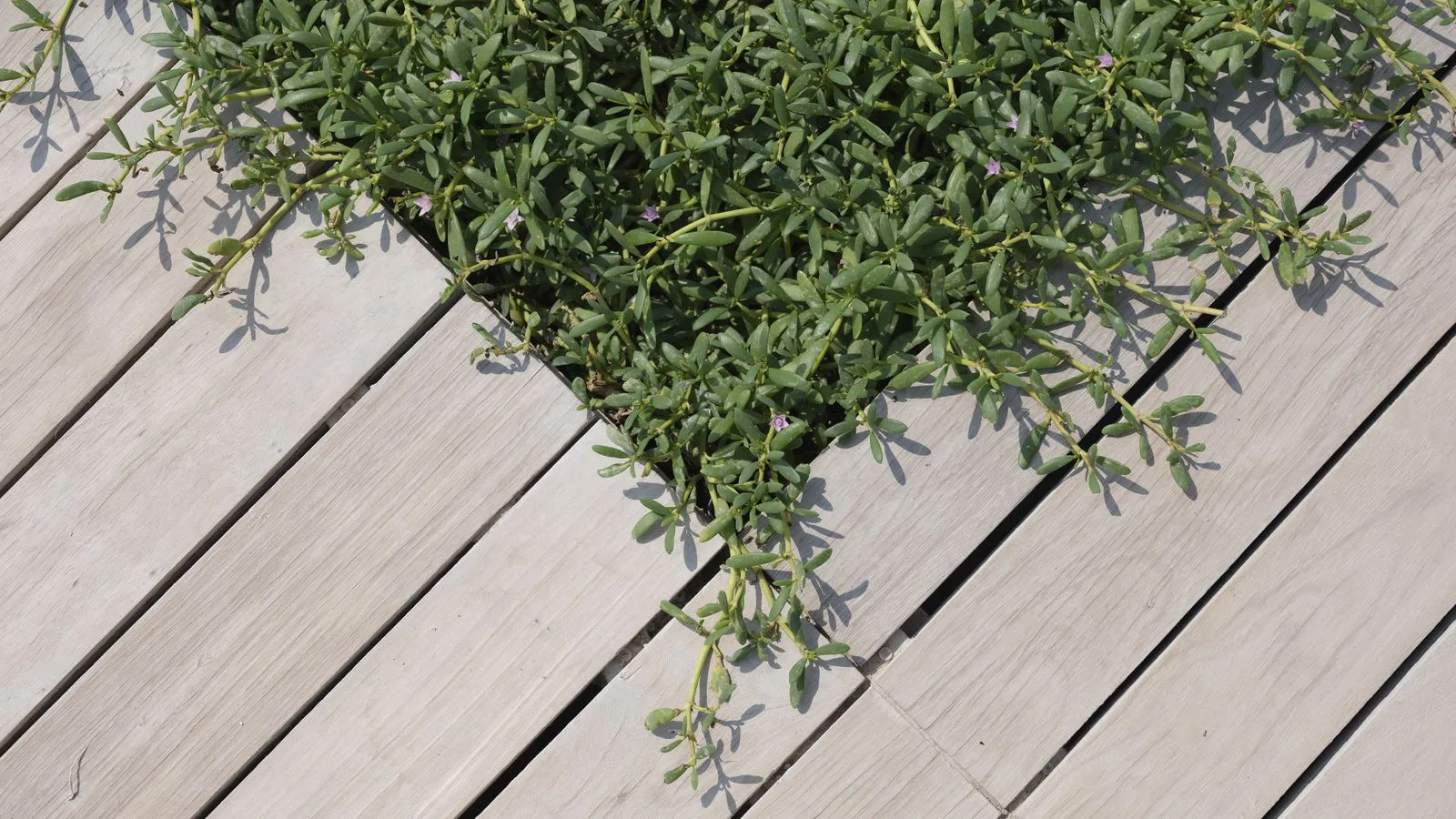
Work out deck boards from the deck area, each board's covered width including the gap, and a waste allowance for cuts and the picture-frame border.
Board width plus gap is what counts
A deck board's nominal width is not what it covers on the deck. A common board measures about 5 1/2 inches wide, and with a 1/4-inch gap between boards it effectively covers about 5 3/4 inches. Always use the covered width — nominal width plus gap — when dividing into the deck area.
The gap matters for drainage and for wood movement: too tight and boards trap water and buckle, too wide and small items fall through. A quarter-inch gap is a common starting point, but check the manufacturer's spec for composite boards.
Board direction and length affect waste
Which way the boards run changes how many cuts you make. Boards laid across the shorter span usually waste less, and choosing board lengths that divide evenly into your deck dimension avoids awkward offcuts. Diagonal or herringbone patterns look great but add 15% or more waste.
If a board falls short of the full span, you will need a butt joint over a joist and an extra board to finish that row — so measure spans against available board lengths before you buy, not after.
Don't forget joists and fasteners
Boards are only the surface. The joists beneath set the maximum board span and fastener spacing; standard joist spacing is 16 inches on center, tightening to 12 inches for diagonal decking. Confirm the joist layout before you finalize board length.
Plan fasteners per board too: hidden clips or two screws per joist crossing add up fast, so estimate screws or clips from the board count and joist spacing at the same time as you order the boards.
Worked with our own calculator
Decking boards calculator
Given
- Deck area (m²)
- 18
- Coverage per board (m²)
- 0.14
- Waste (%)
- 5
Result
- Boards needed
- 135
These figures are produced by the calculator below, not typed in by hand — they are recomputed whenever the tool changes.
Run it on your own figures →Frequently asked questions
- How do I calculate deck boards from area?
- Divide the deck area by the area one board covers, using the board's width plus the gap times its length, then add about 10% for waste.
- What gap should I leave between deck boards?
- A quarter-inch gap is a common starting point for drainage and wood movement, but check the manufacturer's spec, especially for composite boards.
- How much waste should I add for decking?
- Add about 10% for straight boards. Diagonal or herringbone layouts and a picture-frame border push waste to 15% or more.
- Do board length and direction matter?
- Yes. Choosing board lengths that divide evenly into your deck dimension and running boards across the shorter span cut down on offcuts and butt joints.
Articles you may find interesting
All guides →Related tools
Sources
Spotted a mistake in this article?