How Much Roofing Material Do I Need? Area and Squares
Published 2/9/2026 · 3 min read · Real-estate calculators

Marco Bianchi — Home, DIY & motoring writer at OneKitly
Renovation · Materials
Checked against 2 sources
Start with the footprint the roof covers, then multiply by a pitch factor to get the true sloped area, since a pitched roof is larger than the floor beneath it. A moderate 6:12 pitch has a factor of about 1.12. Roofing is sold in squares of 100 square feet, so a 1,500-square-foot footprint at 6:12 gives about 1,680 square feet, or roughly 17 squares before waste.
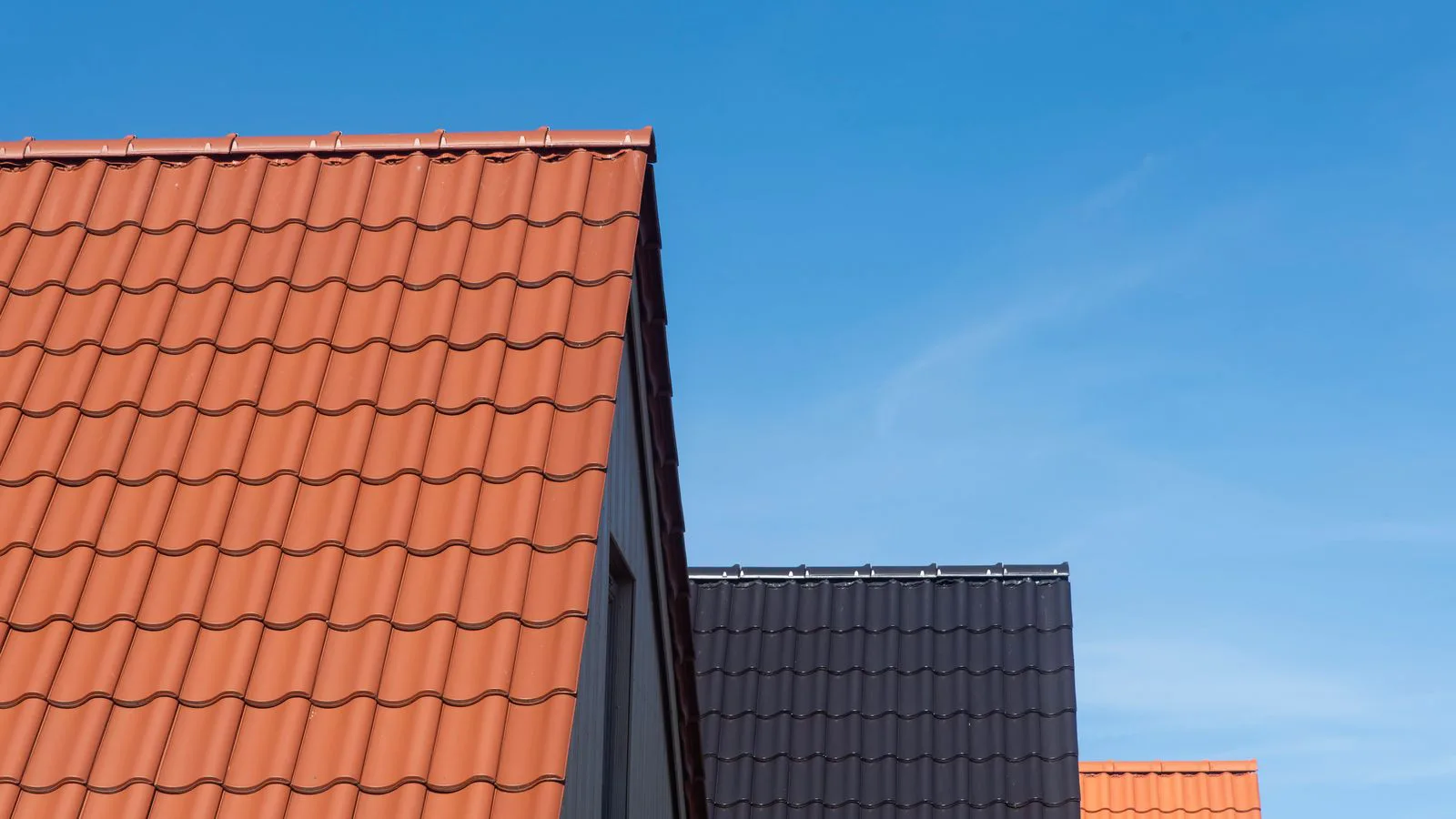
Turn your building footprint into true roof area using the roof pitch, then convert to roofing squares or square meters plus a waste allowance.
Footprint is not roof area
The floor area under a roof is smaller than the roof surface, because a slope travels farther than the flat distance it covers. To get true roof area you multiply the footprint by a pitch factor that grows with steepness — the steeper the roof, the more material a given footprint needs.
As a rough guide, a 4:12 pitch has a factor near 1.06, a 6:12 near 1.12, and a 9:12 near 1.25. Read the factor from the pitch, multiply, and you have the sloped area before any waste.
Roofing squares and coverage units
In the US, roofing is measured in squares, where one square equals 100 square feet of roof surface. Divide your true roof area by 100 to get the number of squares, which is how shingles, underlayment, and labor are usually quoted.
Whatever the unit, always convert the sloped area — not the footprint — into coverage. Ordering off the footprint under-buys every job, and the shortfall grows with the pitch of the roof.
Waste, hips, valleys, and accessories
A plain gable roof wastes little, but hips and valleys mean angled cuts and more offcuts, so allow 10% on a simple roof and up to 15% on a complex one. Add starter courses along the eaves and ridge caps along the top separately.
Don't forget the layers under the shingles: underlayment covers the same true roof area, and drip edge, flashing, and ridge vent are measured by the linear foot of eave, valley, and ridge respectively.
Worked with our own calculator
Roofing shingles calculator
Given
- Roof area (m²)
- 90
- Waste (%)
- 5
Result
- Shingle bundles
- 31
These figures are produced by the calculator below, not typed in by hand — they are recomputed whenever the tool changes.
Run it on your own figures →Frequently asked questions
- How do I convert footprint to roof area?
- Multiply the footprint by a pitch factor: about 1.06 for a 4:12 pitch, 1.12 for 6:12, and 1.25 for 9:12. Steeper roofs need a larger factor.
- What is a roofing square?
- A roofing square equals 100 square feet of roof surface. Divide your true roof area by 100 to get squares — the unit shingles and labor are usually quoted in.
- How much waste should I add for roofing?
- Allow about 10% on a simple gable roof and up to 15% on a complex roof with many hips and valleys, plus starter and ridge courses separately.
- Do I include the eave overhangs?
- Yes. Measure the footprint out to the edge of the eave overhangs, not just the walls, since the roofing has to cover the overhang too.
Articles you may find interesting
All guides →Related tools
Sources
Spotted a mistake in this article?