How Much Fencing Do I Need? Perimeter, Posts, Panels
Published 1/22/2026 · 3 min read · Real-estate calculators

Marco Bianchi — Home, DIY & motoring writer at OneKitly
Renovation · Materials
Checked against 2 sources
Measure the total length of fence line (the perimeter of the area, minus any gate openings). Divide by your post spacing to get the number of gaps, then add one for the final post. At a common 8-foot spacing, a 120-foot run needs 120 ÷ 8 = 15 sections and 16 posts.
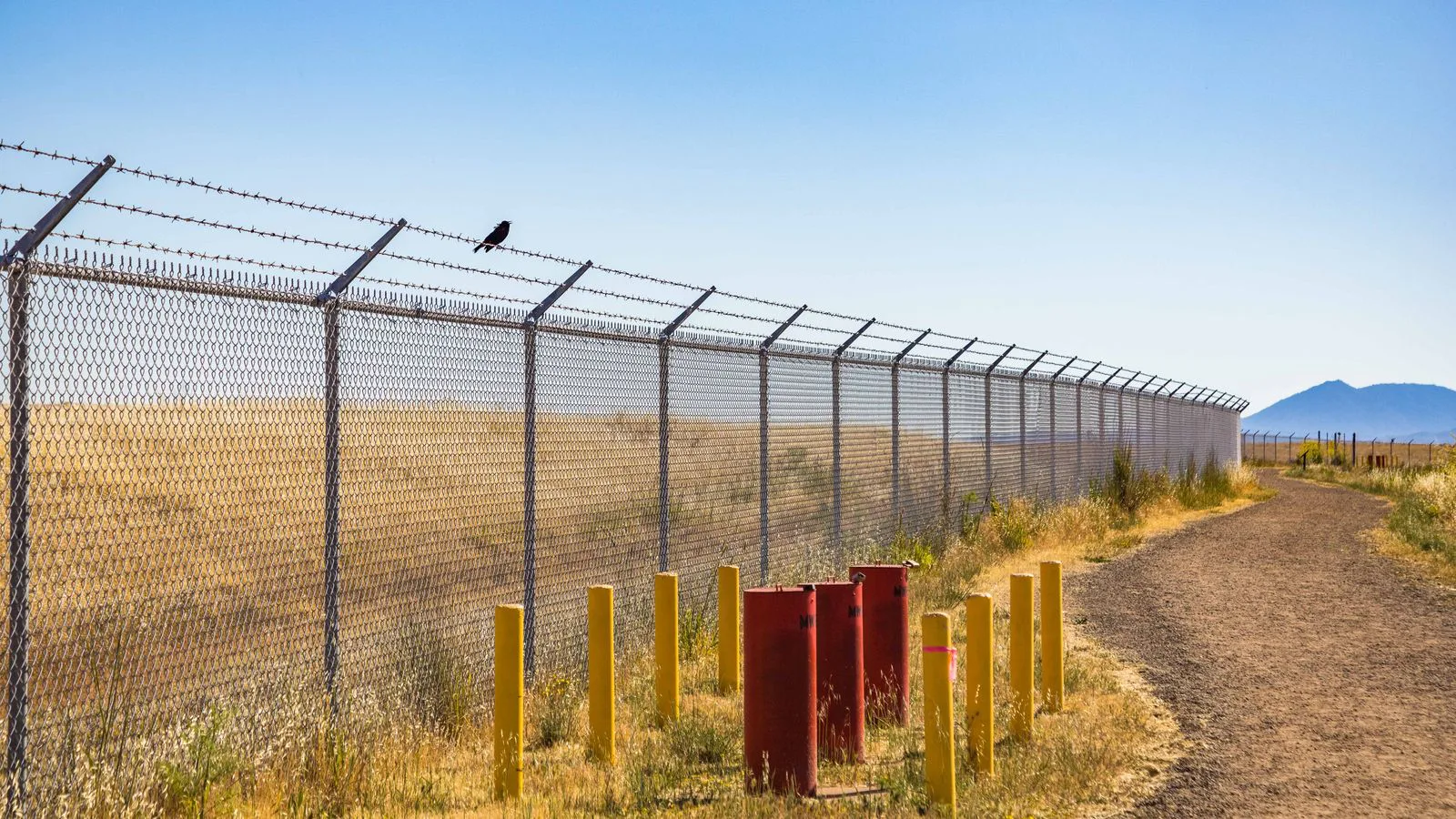
Measure your run, then work out posts, panels, and rails from the perimeter and a standard post spacing so nothing is short on install day.
Start from the perimeter, not the area
Fencing is a length problem: what matters is the distance the fence runs, not the size of the yard it encloses. Add up the length of each straight section around the boundary to get the total run in feet, then subtract gate widths.
For an irregular boundary, break the run into straight legs and measure each one; do not try to average a curve. Confirm property lines before you set any post, since a fence on the wrong side of a boundary is expensive to move.
Post spacing and why it drives the count
Most panel and rail fences use a post every 8 feet, matching common panel and rail lengths. Divide your net run by the spacing to count sections; the number of posts is always one more than the number of sections on a straight, open-ended run.
Tighter spacing gives a stiffer, stronger fence but needs more posts and concrete, while wider spacing risks sagging rails. Corners, ends, and gates always need their own posts, so add those on top of the straight-run count.
Posts, concrete, and set depth
Set posts deep enough for stability — a common rule is to bury about one-third of the post's above-ground height, so a 6-foot-tall fence uses posts set roughly 2 feet deep, and below the local frost line where ground freezes.
Each post hole typically takes one to two bags of concrete depending on width and depth; multiply per-hole concrete by your post count so you buy the whole job at once and keep the mix consistent.
Worked with our own calculator
Fence calculator
Given
- Fence length (m)
- 30
- Post spacing (m)
- 2.5
Result
- Posts
- 13
- Panels
- 12
These figures are produced by the calculator below, not typed in by hand — they are recomputed whenever the tool changes.
Run it on your own figures →Frequently asked questions
- How far apart should fence posts be?
- Most panel and rail fences use 8-foot post spacing to match panel lengths. Tighter spacing adds strength; wider spacing risks sagging rails.
- How many posts do I need for my fence?
- On a straight run, take the number of sections and add one for the closing post. Then add extra posts for each corner, end, and gate.
- Do I subtract gates from the fence length?
- Yes. Subtract each gate opening's width from the total run so you don't order panels for the gaps, but keep posts on each side of the gate.
- How deep should fence posts be set?
- A common rule buries about one-third of the post's above-ground height, and always below the local frost line where the ground freezes, so posts stay stable.
Articles you may find interesting
All guides →Related tools
Sources
Spotted a mistake in this article?