How Much Gravel Do I Need?
Published 8/28/2025 · 3 min read · Everyday calculators

Marco Bianchi — Home, DIY & motoring writer at OneKitly
Renovation · Materials
Checked against 2 sources
To find how much gravel you need, multiply the area by the depth to get a volume, then convert to weight — gravel weighs roughly 1.5 tonnes per cubic metre. A 20 m² path at 5 cm deep is 20 × 0.05 = 1 m³, about 1.5 tonnes. For driveways go 5–8 cm deep; add a bit extra for compaction.
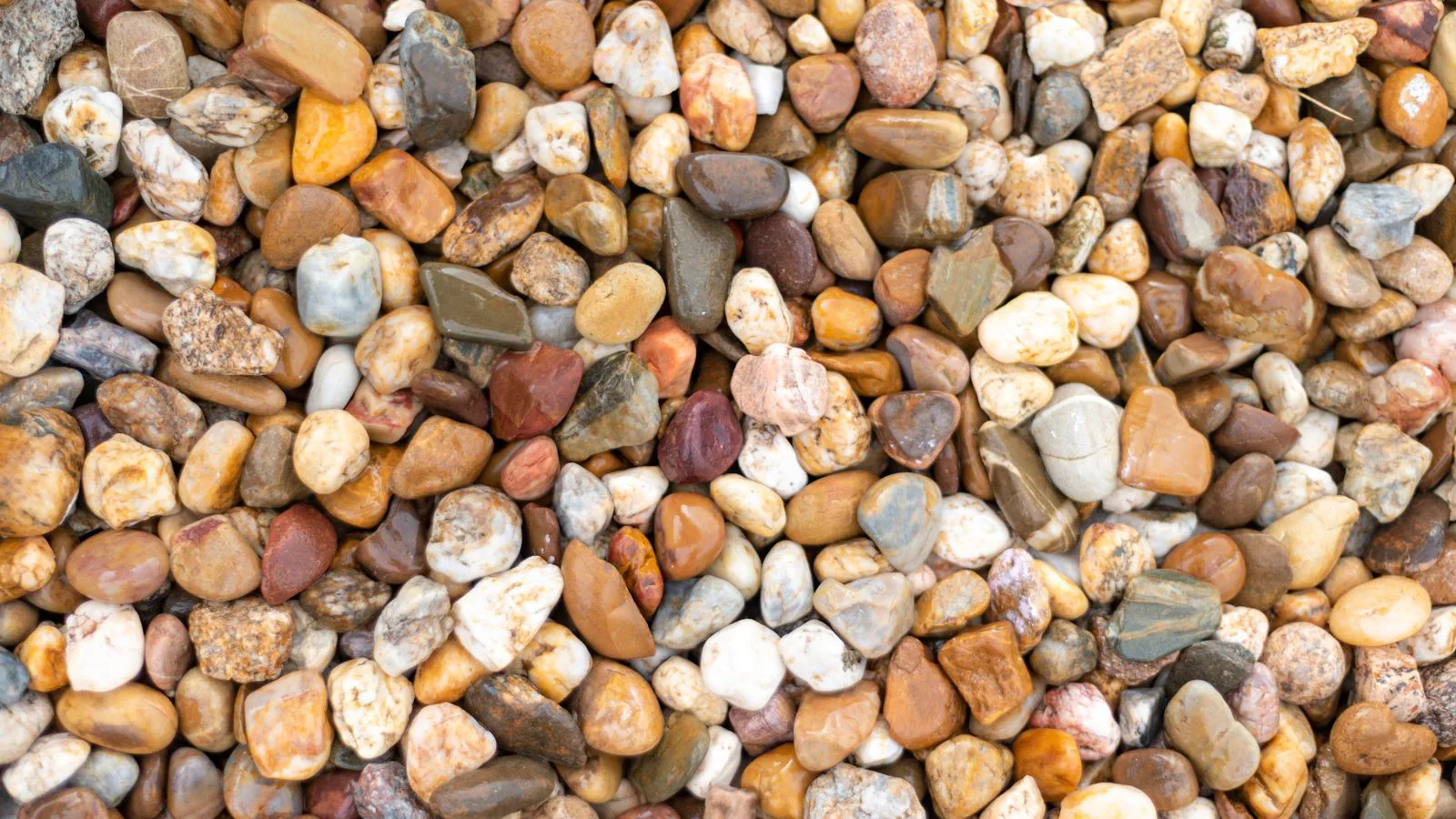
Multiply area by depth for a volume, then convert to weight — gravel is about 1.5 tonnes per cubic metre. Here's the method, depths by job, and how to order.
Volume first
Gravel is spread as a layer, so start by finding the volume that layer fills: area times depth, both in the same units. A path 20 m² at a 5 cm (0.05 m) depth needs 20 × 0.05 = 1 cubic metre. If the area is irregular, break it into rectangles, add the areas, then apply the depth once. This volume is the honest measure of how much material the ground will swallow — everything else is converting it into something you can order.
From volume to weight
Gravel is usually sold by weight, so convert your volume using its density: roughly 1.5 tonnes — 1,500 kg — per cubic metre for typical gravel. So that 1 m³ path is about 1.5 tonnes. Density varies with the stone and how wet it is: fine sand and dense crushed rock sit a little higher, and figures from 1.4 to 1.7 t/m³ are common. When precision matters, ask the supplier for the density of the exact product you're buying.
How deep for the job
Depth depends on what the surface must bear. A decorative border or top-up needs only 3–5 cm. A garden path that people walk on wants about 5 cm to feel firm underfoot. A driveway carrying a car needs 5–8 cm of gravel — and, crucially, a compacted sub-base of coarser stone underneath, or the surface will rut and sink. Skimping on depth is a false economy: too thin and the ground shows through, weeds return, and it scatters.
Ordering: bags or bulk
Small jobs suit handled bags, but they get expensive fast; a bulk bag holds roughly 0.5–0.8 tonnes and is far cheaper per tonne. For a driveway, loose gravel delivered by the tonne is cheapest of all. Whichever you choose, order a little more than your calculation — around 10% covers the gravel that settles into the ground, compacts down under weight, and inevitably ends up spread beyond the edges. Running short mid-job and waiting for a second delivery is the real cost to avoid.
Worked with our own calculator
Gravel calculator
Given
- Area (m²)
- 20
- Depth (cm)
- 5
Result
- Volume (m³)
- 1
- Weight (tonnes)
- 1.6
These figures are produced by the calculator below, not typed in by hand — they are recomputed whenever the tool changes.
Run it on your own figures →Frequently asked questions
- How do I calculate how much gravel I need?
- Multiply area by depth for the volume, then convert to weight.
- How much does a cubic metre of gravel weigh?
- Roughly 1.5 tonnes, depending on the type.
- How deep should gravel be for a driveway?
- About 5–8 cm over a firm sub-base.
Articles you may find interesting
All guides →Related tools
Sources
Spotted a mistake in this article?