How to Double a Recipe (Without Ruining It)
Published 6/5/2026 · 4 min read · Everyday calculators

Marco Bianchi — Home, DIY & motoring writer at OneKitly
Renovation · Materials
Checked against 2 sources
To double a recipe, multiply every measured ingredient by 2 — but not the timing or seasoning by reflex. Flour, sugar, liquids, eggs, and fats scale linearly, so double them exactly. Salt, spices, and strong flavors should start at about 1.5 times, then adjust to taste. Leavening agents like baking soda and baking powder often need slightly less than double. Bake time barely changes, but a doubled batch usually needs a larger or second pan, and oven temperature stays the same.
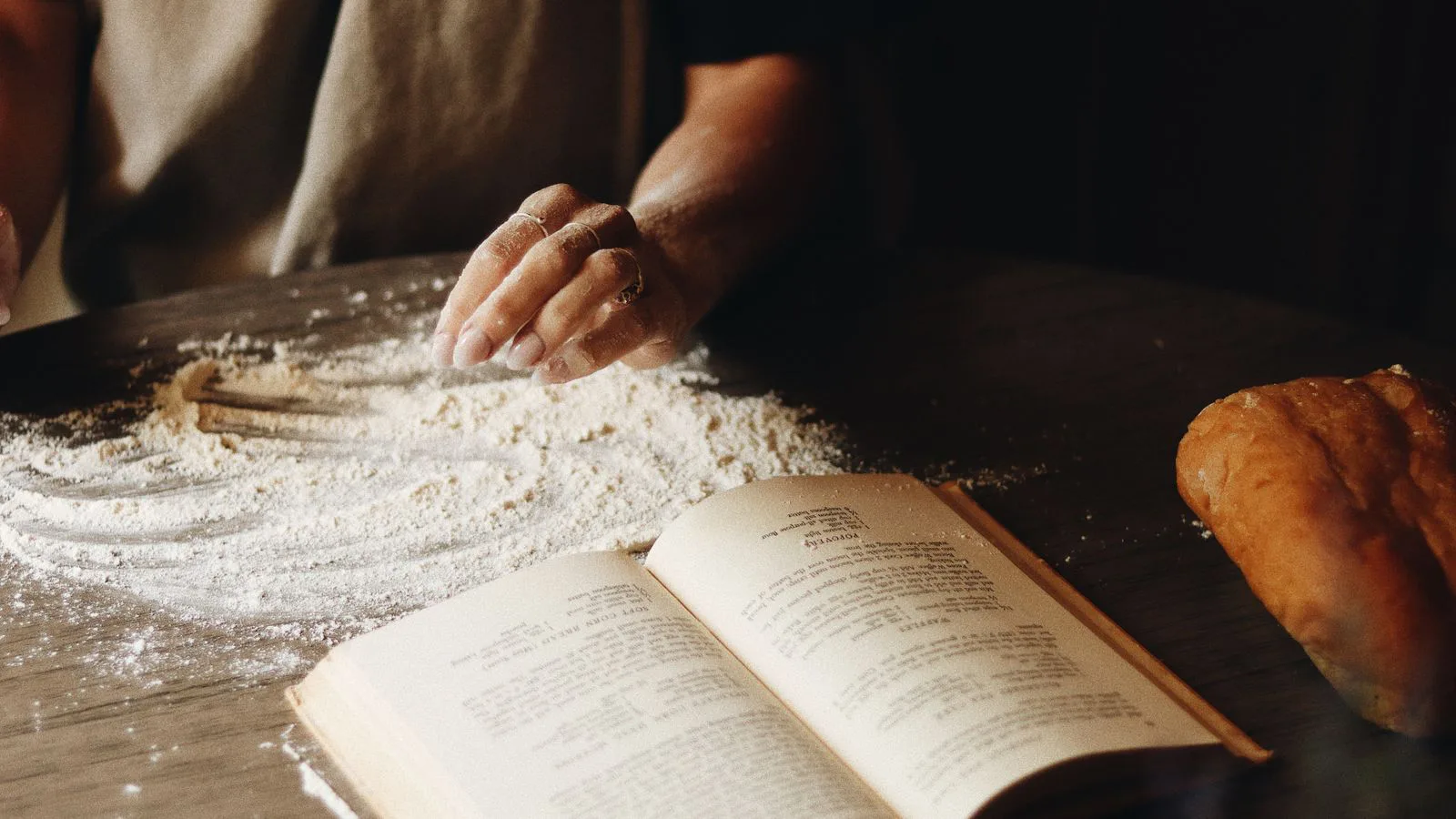
Doubling a recipe is more than multiplying by two. Learn the scale factor, which ingredients to scale carefully — spices, salt, leavening — and why bake time and pan size do not simply double.
The scale factor
Doubling means a scale factor of 2: every quantity in the original list is multiplied by two. A recipe with 250 grams of flour becomes 500 grams; 2 eggs become 4; 1 cup of milk becomes 2 cups. The same logic works for any factor — 1.5 for one and a half batches, 3 for triple — which is exactly what a recipe scaler automates.
Watch out for ingredients that do not divide neatly, like a single egg. If a recipe calls for 3 eggs and you want 1.5 times the batch, you face 4.5 eggs. Weigh a beaten egg (about 50 grams) and use half, or round to a whole batch. Doubling avoids this since whole numbers double cleanly.
What not to double linearly
Strong seasonings do not scale one to one. Salt, garlic, chili, and dried spices concentrate flavor, so doubling them can overwhelm the dish. Start at about 1.5 times the original amount, taste, and add more if needed. It is easy to add salt later but impossible to take it out.
Leavening agents are the trickiest. Baking soda and baking powder often work best at slightly less than double in large batches, because too much makes cakes rise fast and collapse, with a soapy or metallic taste. A common guideline is to use about 1.5 times the leavening when doubling, then test. Bake time changes little — a doubled cake in a larger pan may need only a few extra minutes — but always check for doneness rather than trusting the clock, and keep the oven temperature unchanged.
Pan size and equipment
A doubled batter needs somewhere to go. Filling one pan too deep gives an undercooked center and burnt edges, so use two pans of the original size or one larger pan. If you switch to a bigger pan, the batter is shallower and may bake a touch faster; a deeper fill bakes slower. Either way, judge by a clean skewer or internal temperature.
For stovetop cooking, a doubled amount may not fit one pan in a single layer. Crowding steams food instead of browning it, so use a wider pan or cook in two batches. Sauces and stews scale more forgivingly, but they take longer to come to a boil and to reduce, so allow extra time even though the ingredient amounts simply double.
Worked with our own calculator
Recipe scaler
Given
- Original servings
- 2
- Desired servings
- 3
- Ingredient amount
- 100
Result
- Scaled amount
- 150
- Scaling factor
- 1.5
These figures are produced by the calculator below, not typed in by hand — they are recomputed whenever the tool changes.
Run it on your own figures →Frequently asked questions
- Do you just multiply everything by two to double a recipe?
- Mostly. Flour, sugar, liquids, and fats double exactly, but season and leaven cautiously and check bake time.
- Should I double the baking time too?
- No. Bake time changes little; test with a skewer instead. Only a deeper pan adds a few minutes.
- Why not just double the salt and spices?
- Strong flavors concentrate, so doubling can overpower the dish. Start at 1.5 times and adjust to taste.
- Can I double a recipe that uses eggs?
- Yes — whole numbers double cleanly, so 2 eggs become 4. Half-egg amounts appear only when you scale by odd factors.
Articles you may find interesting
All guides →Related tools
Sources
Spotted a mistake in this article?