How to Substitute a Cake Pan Size Without Ruining the Bake
Published 2/25/2026 · 4 min read · Everyday calculators

Marco Bianchi — Home, DIY & motoring writer at OneKitly
Renovation · Materials
Checked against 2 sources
To swap cake pans, compare their surface area, not their width. A round pan's area is π × radius², and a square or rectangular pan's area is length × width, so a 9-inch round pan holds about 64 square inches while an 8-inch square holds 64 — nearly the same, so batter and time barely change. If the new pan's area differs, scale the batter by the area ratio and expect a deeper pan to bake longer at a slightly lower temperature.
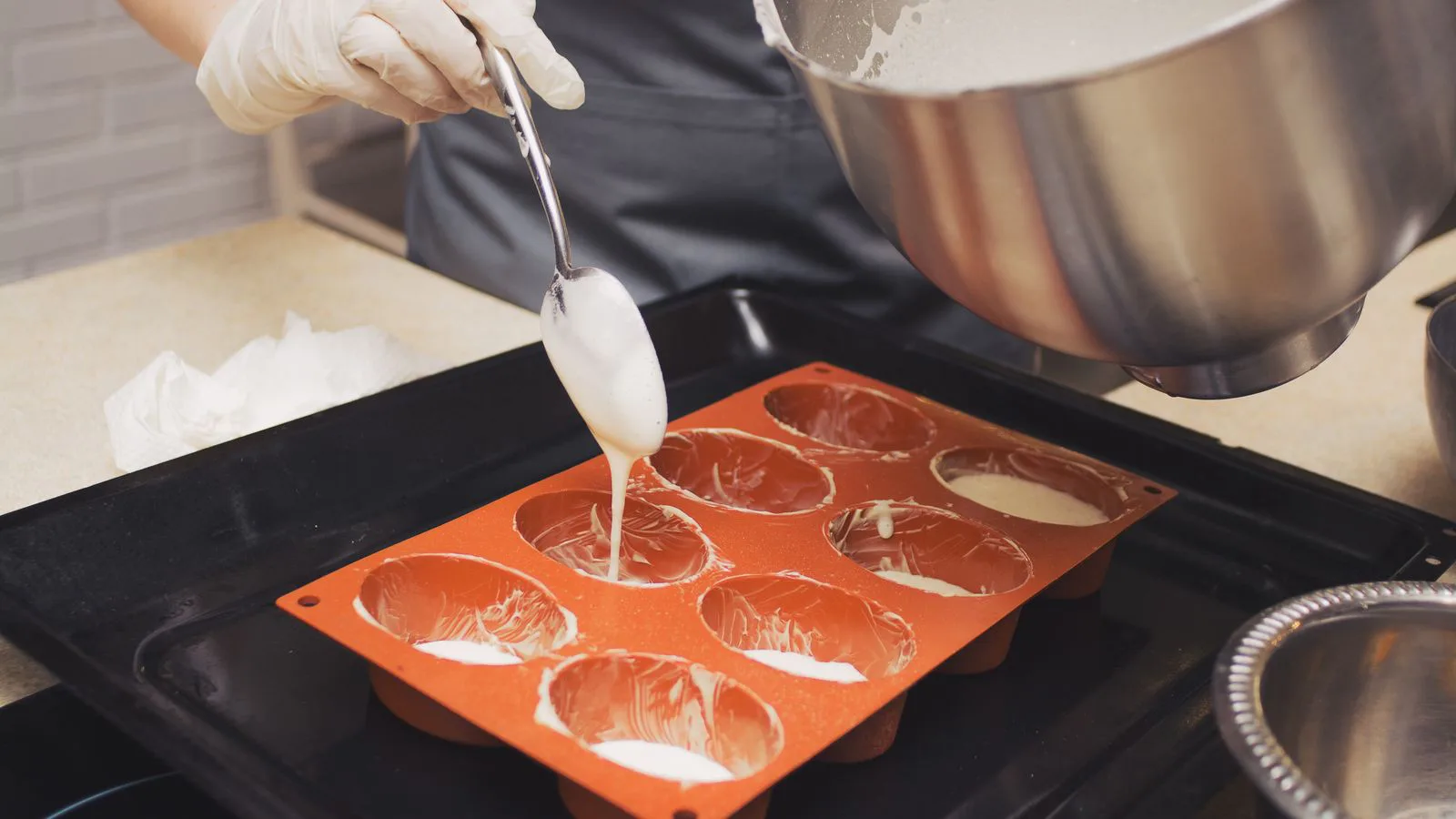
Swap one cake pan for another by matching their area, then adjust batter depth and baking time so the cake rises and bakes evenly in the pan you actually own.
Why area, not width, is what matters
A cake's depth and bake time depend on how the batter spreads across the pan's floor, which is set by area rather than a single width. Area grows with the square of the radius, so a small jump in diameter is a big jump in surface: a 9-inch round pan has about 64 square inches of floor, but a 10-inch round jumps to roughly 79 — a 23% increase from just one extra inch.
Because of this, matching pans by their labeled size can mislead you. The reliable move is to compute both areas and compare the numbers — two pans within roughly 10% of each other's area can usually be swapped with no change to the recipe at all.
Round versus square — the swap that surprises
A square pan holds more batter than a round pan of the same labeled size, because the corners add area a circle does not have. An 8-inch square has 64 square inches, but an 8-inch round has only about 50 — so pouring a square recipe into a same-size round pan overfills it. As a rule of thumb, a round pan matches a square pan about one inch smaller: a 9-inch round is close to an 8-inch square.
The same logic covers loaf and rectangular pans: compute length times width, then compare. Once you know both areas, you can move a recipe between any shapes with confidence, adjusting only the batter volume to keep the same fill depth.
Adjusting batter depth, temperature, and time
Depth changes everything about the bake. Spread the same batter into a bigger pan and it bakes shallower and faster; pour it into a smaller, deeper pan and it bakes taller and slower, with a risk of a raw center under a set top. A good target is to fill any cake pan between half and two-thirds full, leaving room for the rise.
When the depth changes a lot, adjust heat and time together. A deeper cake benefits from dropping the oven about 25°F so the outside does not overbake before the center sets, which lengthens the total time. Start testing with a skewer well before the original time is up, since a shallower cake can finish surprisingly early.
Frequently asked questions
- Can I use a square pan when the recipe calls for round?
- Yes, if you match the area. A square pan holds more than a round one of the same labeled size, so pick a square about one inch smaller — a 9-inch round is close to an 8-inch square. Compute both areas to be sure before you pour.
- Do I change the oven temperature when I change pans?
- Only if the depth changes a lot. A deeper cake bakes more evenly if you drop the oven about 25°F and give it longer, so the outside does not set before the center. If the new pan is close in area and depth, keep the recipe's temperature.
- How full should I fill the new pan?
- Between half and two-thirds full leaves room for the cake to rise without spilling over. If your scaled batter overfills the pan, bake the excess as cupcakes rather than risking an overflow in the oven.
- How do I know when the cake is done in a different pan?
- Trust the doneness signs, not the clock. A skewer inserted in the center should come out clean or with a few dry crumbs, the top should spring back when lightly pressed, and the edges should just pull from the pan. Start checking early, because a new pan changes the timing.
Articles you may find interesting
All guides →Related tools
Sources
Spotted a mistake in this article?