What Size Solar Battery Do I Need? Sizing by Daily Use
Published 1/21/2026 · 3 min read · Everyday calculators

Marco Bianchi — Home, DIY & motoring writer at OneKitly
Renovation · Materials
Checked against 2 sources
Multiply your daily energy use in kWh by the number of days of autonomy you want, then divide by the battery's usable depth of discharge. For example, 10 kWh a day × 1 day ÷ 0.9 depth of discharge means you need a battery rated near 11 kWh. Aim to cover the share of your usage you actually want to run overnight, not your whole daily total, unless you're going off-grid.
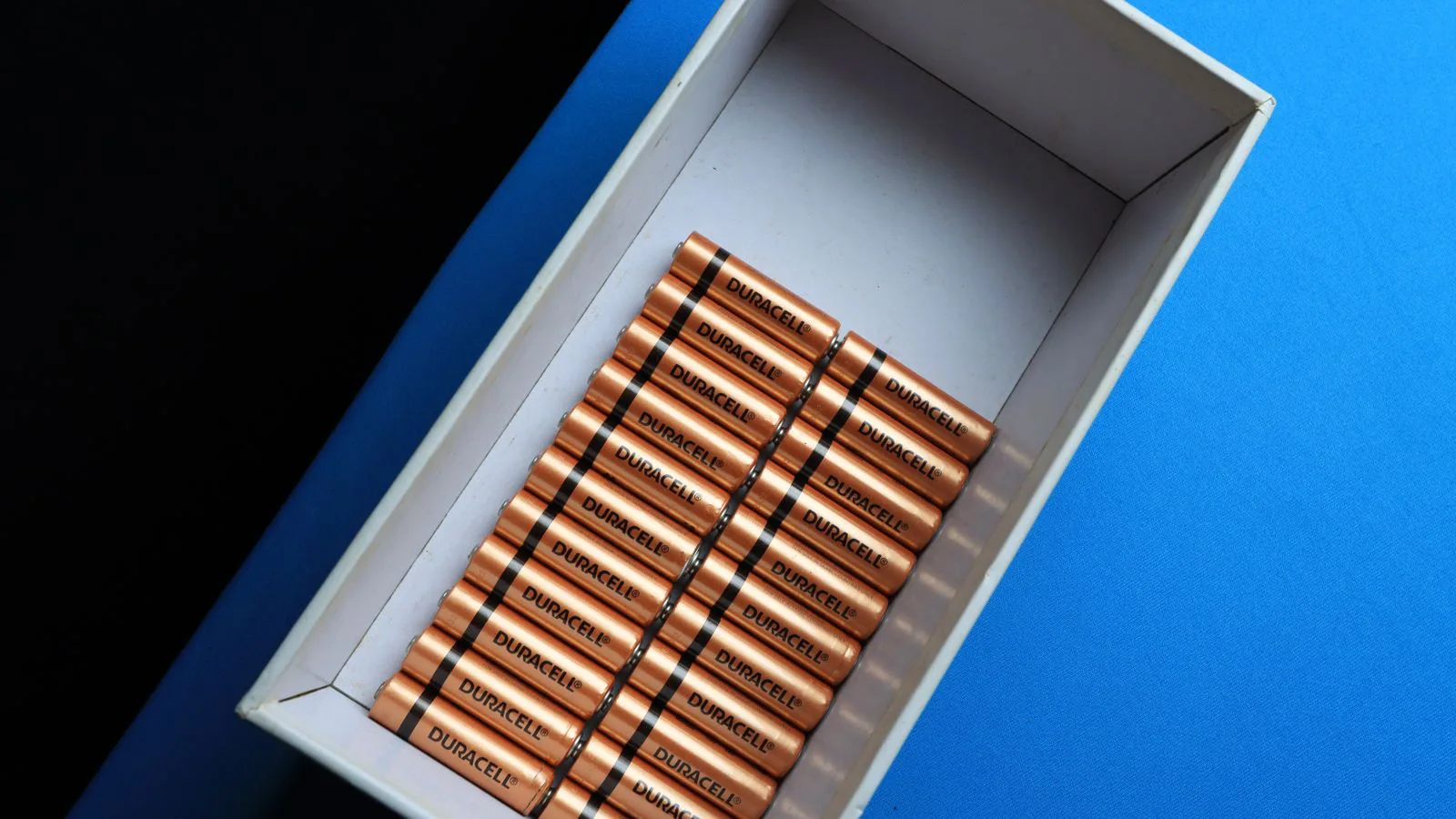
Size a solar battery from your daily energy use, the days of autonomy you want, and the battery's usable depth of discharge.
The core formula
Battery sizing comes down to three numbers: how much energy you want to store per day, how many days you want it to last without recharging, and how deeply the battery can be drained safely. Multiply the first two, divide by the third, and you have the nominal capacity in kWh. Everything else is refinement.
Depth of discharge matters
You can't use every kWh a battery holds. Depth of discharge (DoD) is the share you can safely draw before harming the battery's lifespan. Modern lithium batteries often allow around 90%, while older lead-acid types are typically limited to about 50%. That's why a 10 kWh lithium pack delivers far more usable energy than a 10 kWh lead-acid one.
Power rating vs energy capacity
Two specs describe a battery, and both matter. Energy capacity in kWh is how much it holds — that sets how long it runs. Power rating in kW is how fast it can deliver — that sets how many appliances it can run at once. A battery with plenty of kWh but a low kW rating may store your evening but stumble when the oven, kettle, and heat pump all switch on together.
Worked with our own calculator
Solar battery size calculator
Given
- Daily energy use (kWh)
- 20
- Days of autonomy
- 4
- Usable depth of discharge (%)
- 160
Result
- Battery capacity (kWh)
- 50
These figures are produced by the calculator below, not typed in by hand — they are recomputed whenever the tool changes.
Run it on your own figures →Frequently asked questions
- Do I need a battery to store one full day?
- Usually not. If you stay connected to the grid, many households only store the evening and overnight portion, using the grid as backup for cloudy stretches.
- Can I add more batteries later?
- Many modern systems are modular, so you can start smaller and expand. Check that your chosen system supports stacking before you buy.
- Does an oversized battery pay off?
- Not usually. A battery you rarely fill or empty sits idle much of the time, so its cost per useful kWh rises. Size it to your real overnight need.
- How long will a solar battery last?
- Lifespan is usually rated in charge cycles or years — often around 10 years or several thousand cycles for lithium. Staying within the recommended depth of discharge helps it reach that.
Articles you may find interesting
All guides →Related tools
Sources
Spotted a mistake in this article?