How Much Meat Per Person (Portions by Cut and Occasion)
Published 1/23/2026 · 4 min read · Everyday calculators

Marco Bianchi — Home, DIY & motoring writer at OneKitly
Renovation · Materials
Checked against 2 sources
As a rule of thumb, plan about 1/2 lb (8 oz) of boneless meat per adult as a main course, or about 3/4 lb to 1 lb for bone-in cuts because the bone adds weight you cannot eat. Big eaters, celebrations and buffets push those numbers up, while a lighter meal with many sides pulls them down. For a whole turkey or chicken, plan roughly 1 to 1.25 lb of raw bird per person.
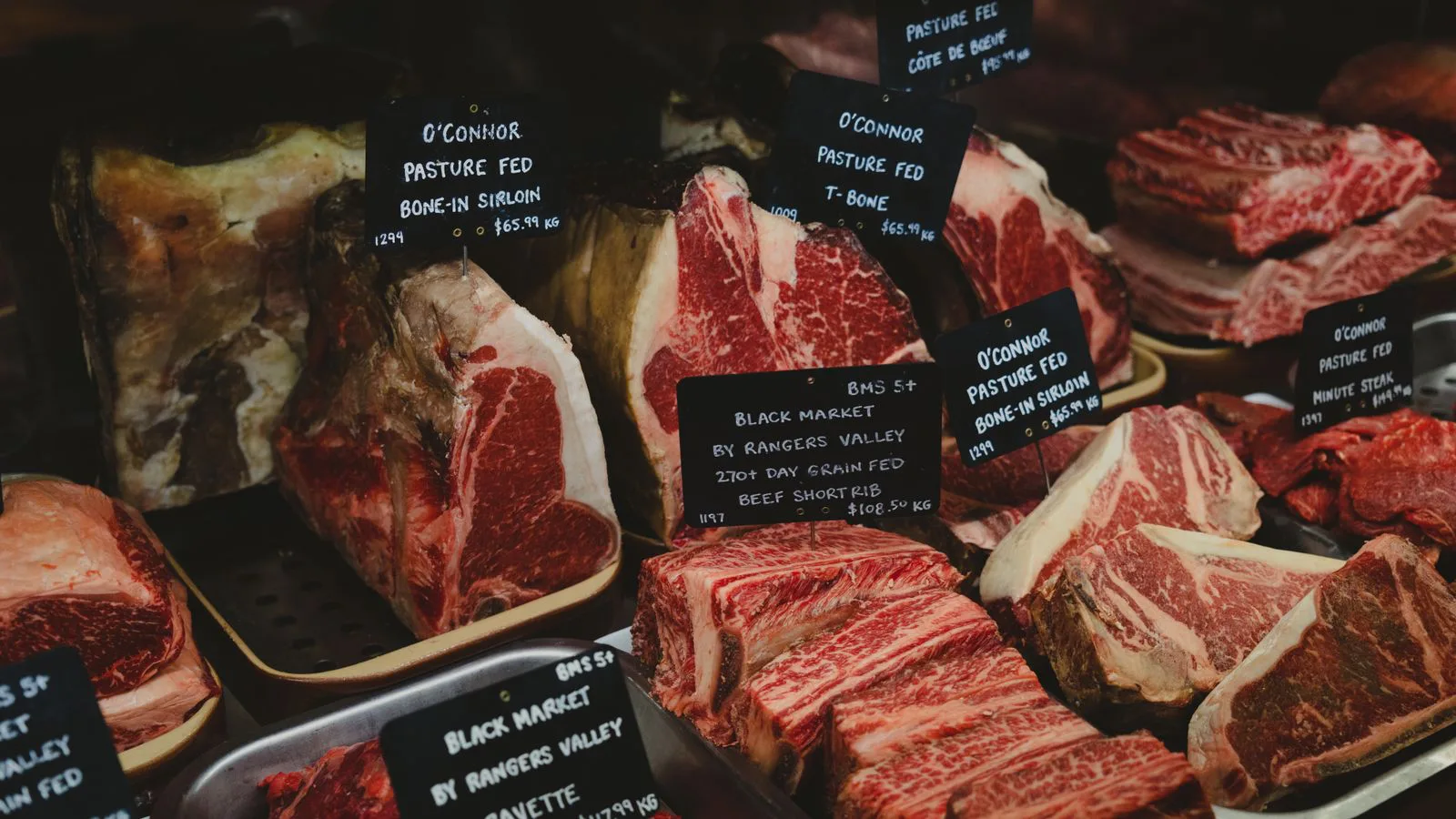
Plan portions with confidence: boneless meat, bone-in cuts and whole birds each need different amounts per guest.
Boneless versus bone-in
The single biggest factor is whether the cut has a bone. Boneless steaks, chicken breasts and pork loin are all edible weight, so about 1/2 lb per adult works well. Bone-in cuts like ribs, chops and whole birds carry bone and connective tissue you will not eat, so you need more raw weight — often 3/4 lb to 1 lb per person — to land the same amount on the plate.
Cooking loss matters too: meat shrinks as fat renders and moisture evaporates, typically losing 20 to 30 percent of its raw weight. That is why portions are usually quoted raw. If a recipe states a cooked serving size, add roughly a quarter to a third when you shop to cover the shrink.
Adjusting for the occasion
The base portion assumes an average adult eating a normal main course. Scale it to the event. A casual weeknight dinner with generous sides can drop to about 1/3 lb (5 to 6 oz) of boneless meat; a celebratory roast or a barbecue where meat is the star climbs to 3/4 lb or more. Buffets and mixed grills, where guests take a bit of everything, also run higher because people sample.
Children usually eat about half an adult portion, so count two kids as one adult when planning. It is wise to round up a little: leftovers keep, but running short mid-meal does not. A calculator handles the mix — number of adults and children, cut type, and how hearty the occasion is — and returns a total to buy.
Quick portions by type
For boneless beef, pork or chicken as a main, budget about 1/2 lb (8 oz) per adult. For steaks people expect a generous portion, so 8 to 12 oz each is common. Bone-in ribs and chops need about 3/4 lb to 1 lb because of the bone. Whole turkey or chicken runs 1 to 1.25 lb of raw bird per person, which accounts for the carcass.
These are starting points, not strict limits. Read your crowd: teenagers and athletes eat more, a lunch eats less than a dinner, and a table full of small plates spreads appetite across dishes. Note the leftovers you end up with and nudge next time's numbers to match your own guests.
Worked with our own calculator
Meat per person calculator
Given
- Number of guests
- 20
- Serving per person (g)
- 275
Result
- Total meat (g)
- 5,500
- Total meat (kg)
- 5.5
These figures are produced by the calculator below, not typed in by hand — they are recomputed whenever the tool changes.
Run it on your own figures →Frequently asked questions
- How much boneless meat per person?
- Plan about 1/2 lb (8 oz) of boneless meat per adult as a main course. Raise it toward 3/4 lb for big eaters or a meat-focused meal, and lower it toward 1/3 lb when there are plenty of sides.
- Why do bone-in cuts need more weight?
- The bone and connective tissue add weight you cannot eat, so the edible meat is a smaller share of the raw cut. Buying about 3/4 lb to 1 lb of bone-in meat per person lands roughly the same amount on the plate as 1/2 lb boneless.
- How much should I plan for children?
- Children generally eat about half an adult portion, so a simple rule is to count two children as one adult. Adjust for teenagers, who often eat as much as adults or more.
- Should I count raw or cooked weight?
- Portions here are raw, because that is what you buy. Meat loses roughly 20 to 30 percent of its weight in cooking, so if a recipe gives a cooked serving, add about a quarter to a third when shopping to cover the shrink.
Articles you may find interesting
All guides →Related tools
Sources
Spotted a mistake in this article?