Meat Doneness Temperatures: A Safe Cooking Guide
Published 5/19/2026 · 3 min read · Everyday calculators

Marco Bianchi — Home, DIY & motoring writer at OneKitly
Renovation · Materials
Checked against 2 sources
The safe way to judge cooked meat is by internal temperature, not color. Cook all poultry to 165°F (74°C), ground meats to 160°F (71°C), and fresh cuts of pork, beef, veal and lamb to at least 145°F (63°C) with a 3-minute rest. Fish should reach 145°F (63°C). Measure in the thickest part with an instant-read thermometer, away from bone.
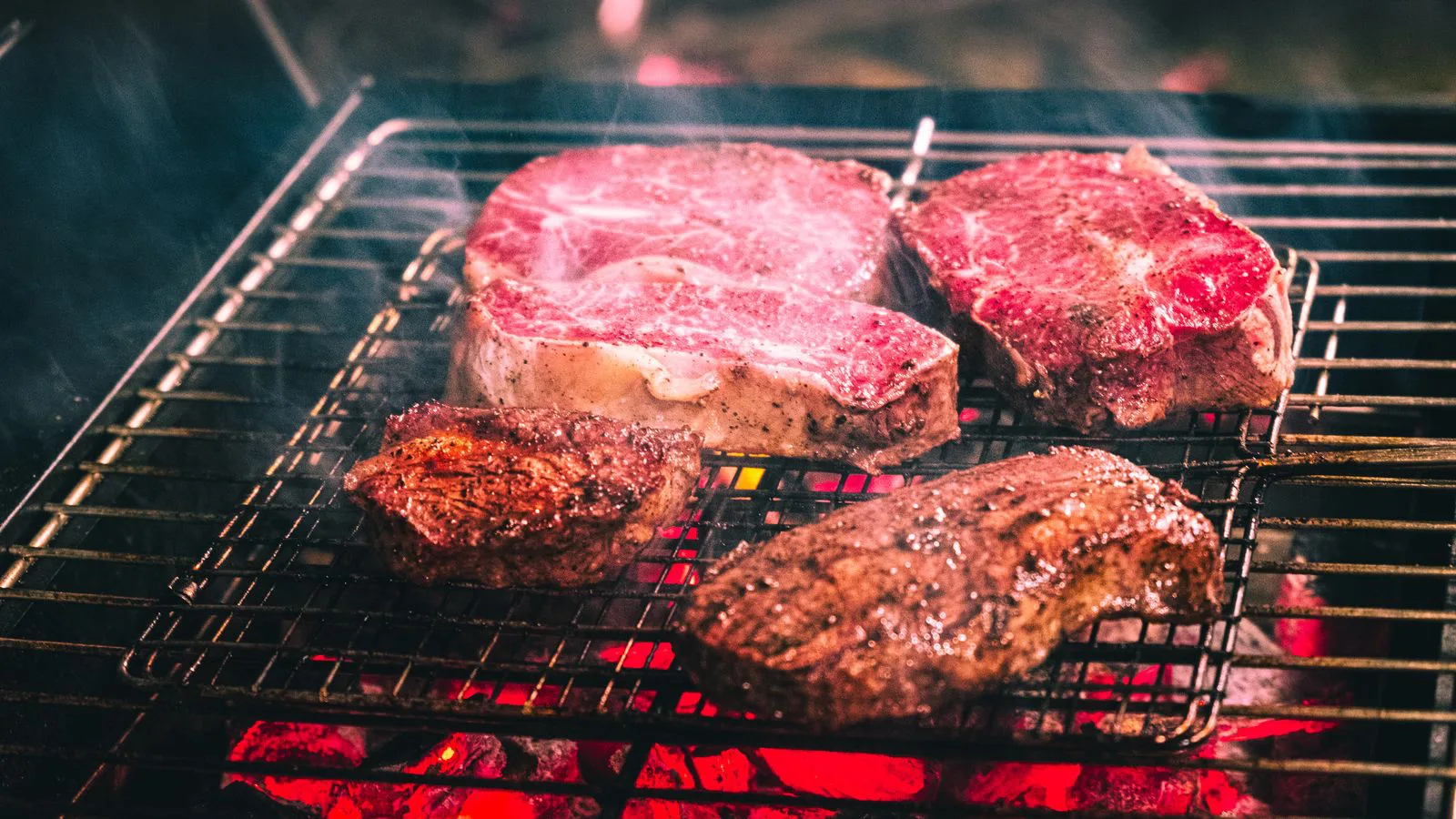
The only reliable way to know meat is safe is internal temperature. Learn safe minimum internal temperatures for poultry, ground meat, pork, beef and fish, and how to check with a thermometer.
Why temperature, not color
Harmful bacteria such as Salmonella and E. coli are killed by heat, and the amount of heat needed is defined by a target internal temperature held for a certain time. Color, texture and juices are unreliable signs: a burger can brown before it is safe, or stay pink when it is fully cooked. Only a thermometer tells you the meat has reached a safe temperature all the way through.
The safe minimum internal temperature is the number to reach, and higher temperatures simply mean the meat is more well-done. For whole cuts a short rest after cooking lets the temperature even out and finish the job. Ground meats need a higher target than whole cuts because grinding spreads any surface bacteria throughout the meat.
Safe temperatures by type
Poultry — chicken, turkey, duck, whether whole, in pieces or ground — should always reach 165°F (74°C). Ground meats, such as beef, pork, veal and lamb, should reach 160°F (71°C). Fresh whole cuts of pork, beef, veal and lamb are safe at 145°F (63°C) followed by a 3-minute rest before carving.
Fish and shellfish should reach 145°F (63°C), or until the flesh turns opaque and flakes. Leftovers and pre-cooked foods being reheated should be brought to 165°F (74°C) throughout. These are minimum safety targets; many people cook whole beef and lamb to a lower doneness by preference, which carries a small extra risk that a well-cooked result does not.
Using a thermometer properly
Insert an instant-read thermometer into the thickest part of the meat, avoiding bone, fat and gristle, which read differently from muscle. For thin cuts, insert from the side. Wait for the number to settle before reading. Clean the probe with hot soapy water between different foods to avoid cross-contamination.
Remember carryover cooking: after you take meat off the heat, its internal temperature keeps rising a few degrees as heat moves inward. For larger roasts this can be several degrees, so pulling the meat a little early and letting it rest lands it on target without overcooking. Calibrate your thermometer occasionally in ice water, which should read 32°F (0°C).
Worked with our own calculator
Meat Temperature Guide
Given
- Meat
- Poultry
- Doneness (beef only)
- Medium
Result
- Target internal temperature (°C)
- 74
These figures are produced by the calculator below, not typed in by hand — they are recomputed whenever the tool changes.
Run it on your own figures →Frequently asked questions
- What is the safe internal temperature for chicken?
- All poultry, including chicken, should reach a safe minimum internal temperature of 165°F (74°C) measured in the thickest part, away from bone. This applies whether it is whole, in pieces or ground.
- Why do burgers need a higher temperature than steak?
- Grinding meat spreads any bacteria from the surface throughout the patty, so a burger must reach 160°F (71°C) all the way through. A whole steak only has bacteria on its outer surface, which searing kills, so it is safe cooked less at 145°F (63°C) with a rest.
- Is pink meat always undercooked?
- No. Color is an unreliable guide. Some fully cooked meats stay slightly pink because of the cut, the cooking method or nitrites in cured products, while undercooked meat can look brown. Only a thermometer reading at the safe target confirms it is done.
- Do I still need to rest the meat after cooking?
- Yes, for whole cuts. A 3-minute rest after reaching 145°F (63°C) lets carryover heat finish the job and helps the juices redistribute, giving safer and juicier meat. Ground meat and poultry do not need a safety rest but still benefit from a short one.
Articles you may find interesting
All guides →Related tools
This article is general food-safety information, not medical or professional advice. Follow the guidance of your national food-safety authority, and take extra care when cooking for infants, older adults, pregnant people or anyone with a weakened immune system. If you suspect food poisoning, seek medical help.
Sources
Spotted a mistake in this article?